Practice measuring and comparing mass using grams and kilograms.
Read each problem carefully. Choose the best unit when needed and show your work in the space provided.
Choosing units, comparing masses, and solving simple mass problems
Math - Grade 2-3
- 1
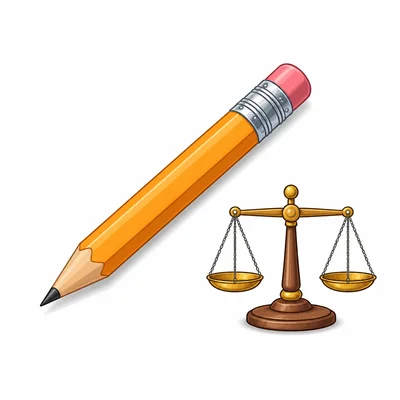
Circle the better unit to measure the mass of a pencil: grams or kilograms. Explain your choice.
- 2
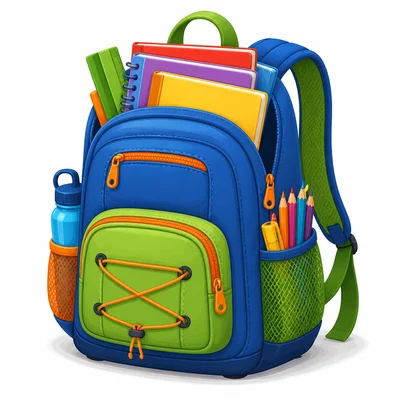
Circle the better unit to measure the mass of a full backpack: grams or kilograms. Explain your choice.
- 3
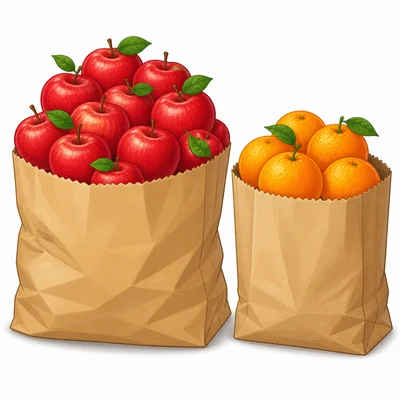
A bag of apples has a mass of 3 kilograms. A bag of oranges has a mass of 2 kilograms. Which bag has the greater mass?
- 4
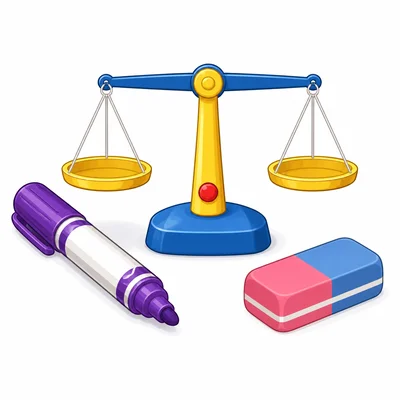
A marker has a mass of 12 grams. An eraser has a mass of 25 grams. How much greater is the mass of the eraser than the marker?
- 5
One kilogram is equal to 1,000 grams. How many grams are in 2 kilograms?
- 6
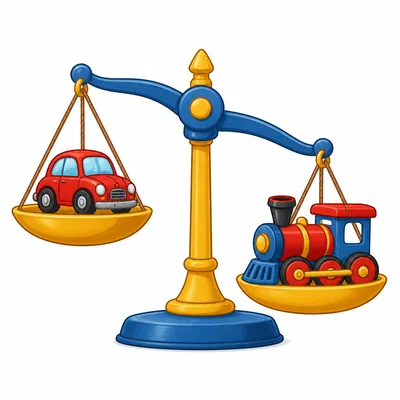
Look at a balance scale. The left side has a toy car labeled 80 g. The right side has a toy train labeled 120 g. Which object has the greater mass?
- 7
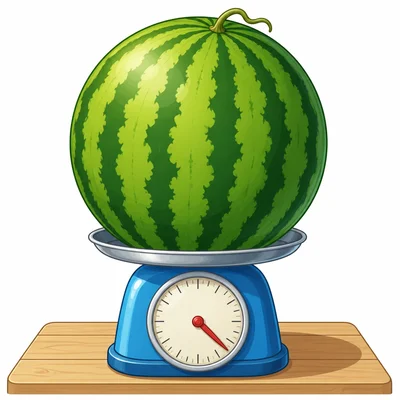
Write g or kg to complete the sentence: A watermelon has a mass of about 4 ____.
- 8
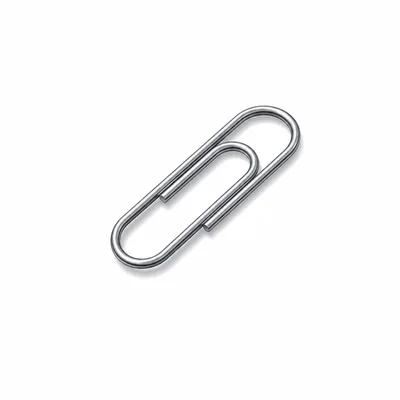
Write g or kg to complete the sentence: A paper clip has a mass of about 1 ____.
- 9
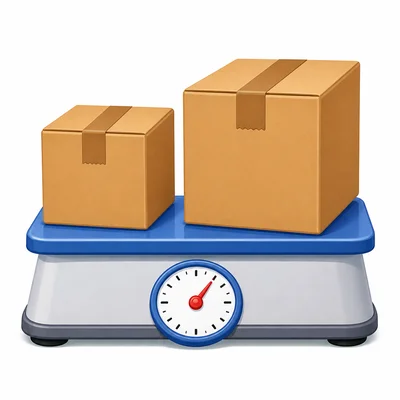
Mia has two boxes. Box A has a mass of 5 kilograms. Box B has a mass of 7 kilograms. What is the total mass of the two boxes?
- 10
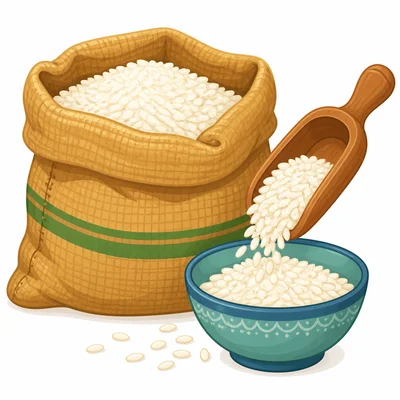
A bag of rice has a mass of 10 kilograms. Ben uses 4 kilograms. How much rice is left?
- 11
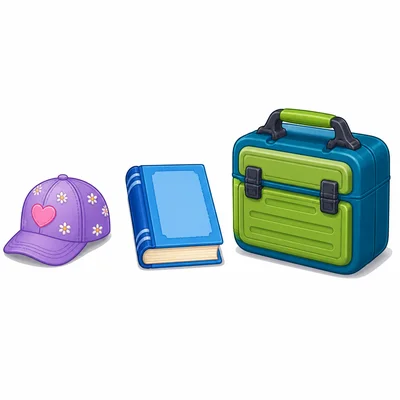
Three objects have these masses: a book is 600 g, a lunchbox is 900 g, and a hat is 100 g. Put the objects in order from lightest to heaviest.
- 12
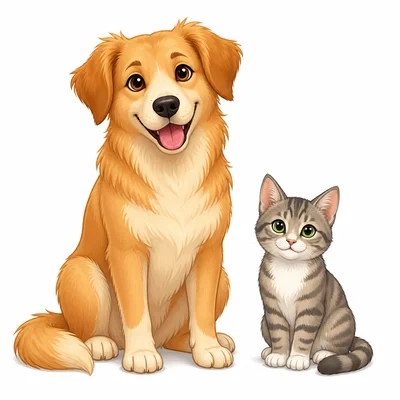
A dog has a mass of 18 kilograms. A cat has a mass of 5 kilograms. How much more mass does the dog have than the cat?
- 13
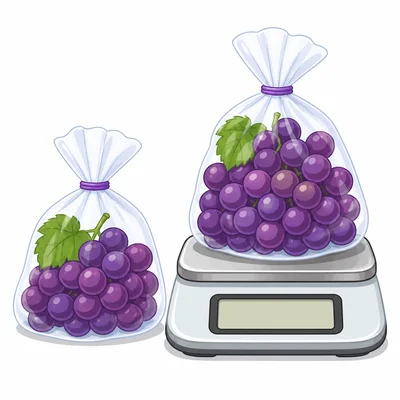
A digital scale shows 250 g for a bag of grapes. Another bag of grapes has a mass of 300 g. Which bag is heavier?
- 14
Fill in the blank: 1 kilogram = ____ grams.
- 15
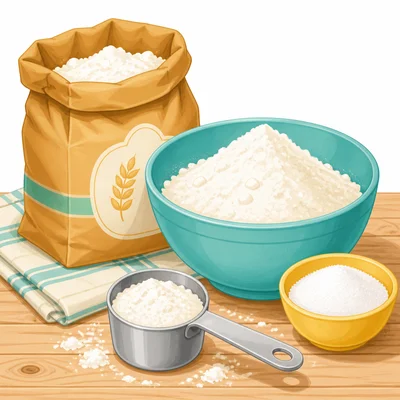
A recipe needs 500 grams of flour and 200 grams of sugar. What is the total mass of the flour and sugar?