Explore the historical development of Classical music, jazz, and rock through key features, artists, technologies, and cultural contexts.
Read each problem carefully. Use complete sentences when explaining your answers. Include specific musical or historical evidence when asked.
Tracing major styles, composers, performers, and cultural influences
Music - Grade 9-12
- 1
Put these musical developments in chronological order from earliest to latest: the Classical period, early rock and roll, early jazz, the Romantic period, and the Baroque period.
- 2
Explain what musicians usually mean by the Classical period. Name two composers strongly associated with it.
- 3
Describe two musical traits commonly found in Classical period music.
- 4
Sonata form often includes exposition, development, and recapitulation. Explain the purpose of each section in a Classical movement.
- 5
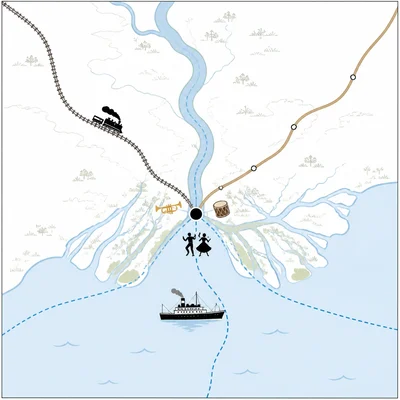
Why was New Orleans important in the early history of jazz?
- 6
Define improvisation in jazz and explain why it is historically significant.
- 7
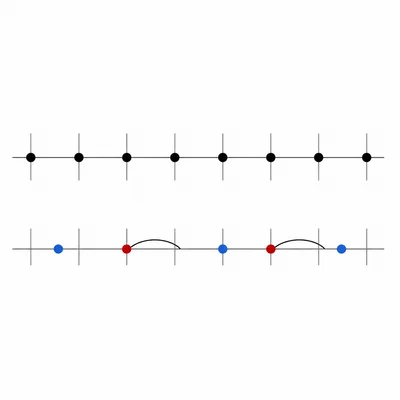
Explain the difference between syncopation and a steady beat. Give an example of how syncopation affects the feel of jazz or rock.
- 8

The 12-bar blues influenced both jazz and rock. Describe one musical feature of the 12-bar blues and explain why it became important.
- 9
How did the Harlem Renaissance help shape the development and popularity of jazz?
- 10
Name two musical traditions that influenced early rock and roll, and explain how one of them shaped the sound of rock.
- 11

Explain how technology helped rock music grow in the 1950s and 1960s.
- 12
Compare patronage in the Classical period with the commercial music industry in jazz or rock.
- 13
Compare the role of a written score in a Classical symphony with the role of improvisation in a jazz performance.
- 14
Choose one rock song or rock artist from the 1960s or 1970s and explain how the music connected to social change, youth culture, or protest.
- 15
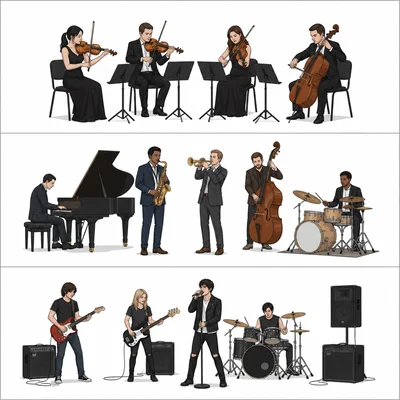
A piece features a string quartet playing balanced phrases with a clear melody and little percussion. A second piece features a small group with saxophone, trumpet, piano, bass, and drums, and each player takes improvised solos. A third piece features electric guitar, bass, drum set, amplified vocals, and a strong backbeat. Identify the likely style of each piece and explain your reasoning.