Practice the basic skills needed to read sheet music, including note names, rhythm values, time signatures, key signatures, and common symbols.
Read each problem carefully. Write your answer in complete sentences when an explanation is needed. Show counting or note names in the space provided.
Practice reading notes, rhythms, clefs, and common music symbols
Music - Grade 6-8
- 1
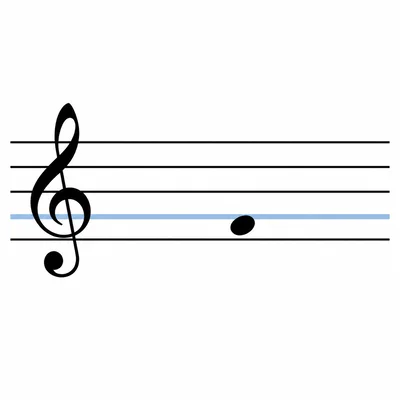
In treble clef, identify the note on the second line from the bottom of the staff.
- 2
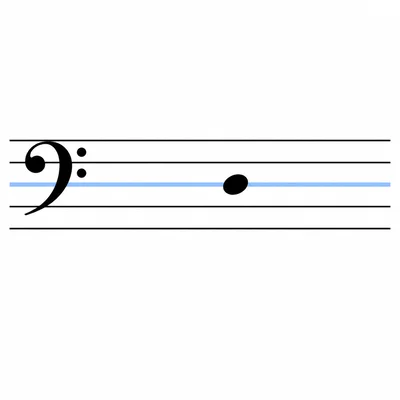
In bass clef, identify the note on the fourth line from the bottom of the staff.
- 3
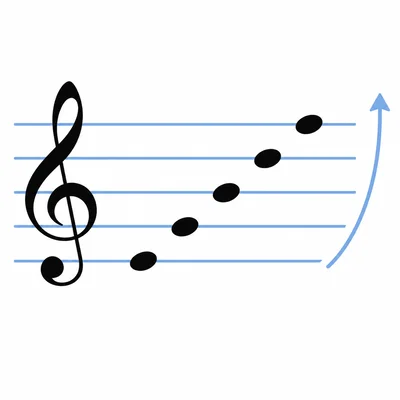
Write the letter names of the treble clef line notes from bottom to top.
- 4
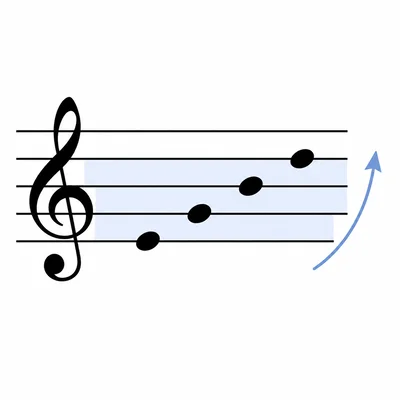
Write the letter names of the treble clef space notes from bottom to top.
- 5
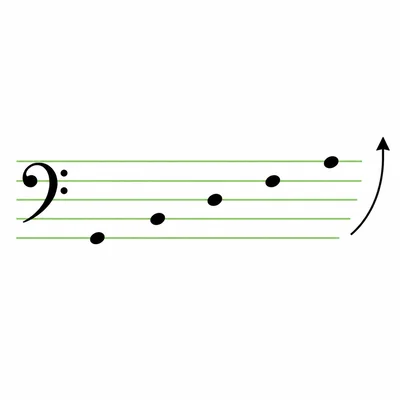
Write the letter names of the bass clef line notes from bottom to top.
- 6
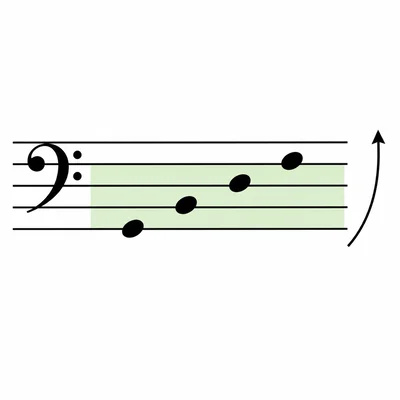
Write the letter names of the bass clef space notes from bottom to top.
- 7
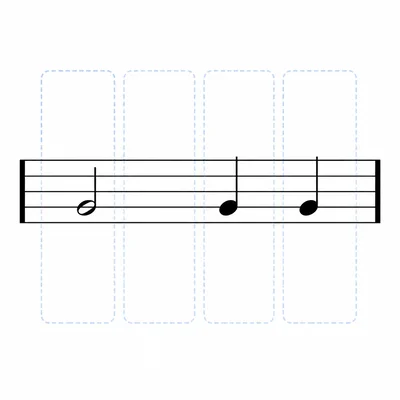
A measure in 4/4 time contains a half note and two quarter notes. How many beats are in the measure, and is the measure complete?
- 8
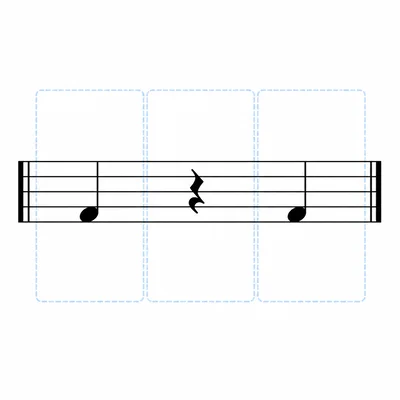
A measure in 3/4 time contains one quarter note, one quarter rest, and one quarter note. How many beats are in the measure, and is the measure complete?
- 9
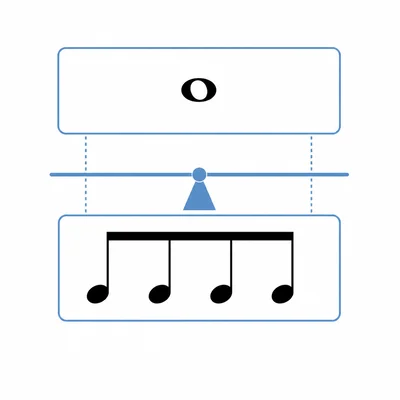
In 4/4 time, how many eighth notes equal one whole note?
- 10
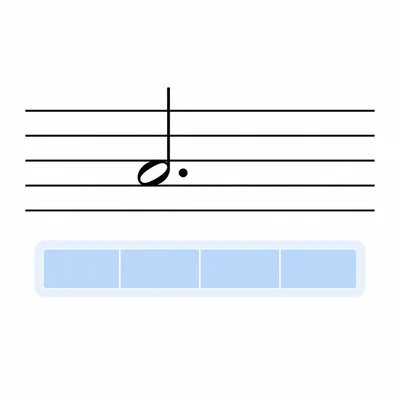
Look at a dotted half note. How many beats does it receive in 4/4 time?
- 11
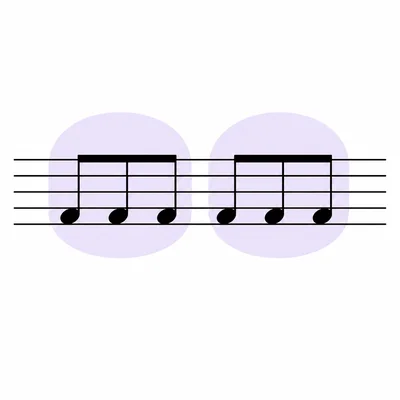
Explain what the top number and bottom number mean in the time signature 6/8.
- 12
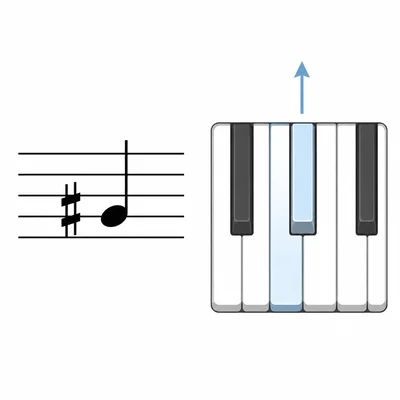
A sharp sign is placed before an F note. What does the sharp sign tell the performer to do?
- 13
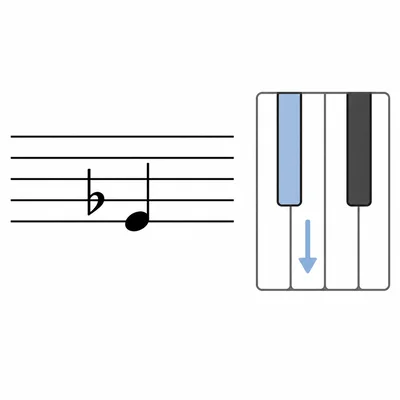
A flat sign is placed before a B note. What does the flat sign tell the performer to do?
- 14
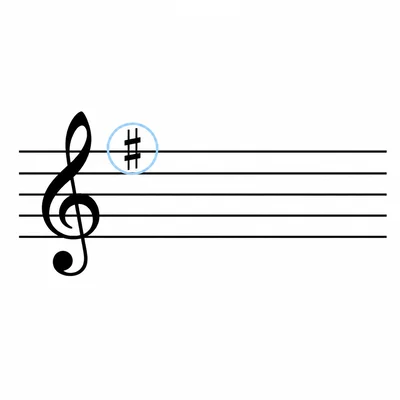
A piece of music has one sharp in the key signature. Which note is sharp throughout the piece unless changed by another accidental?
- 15
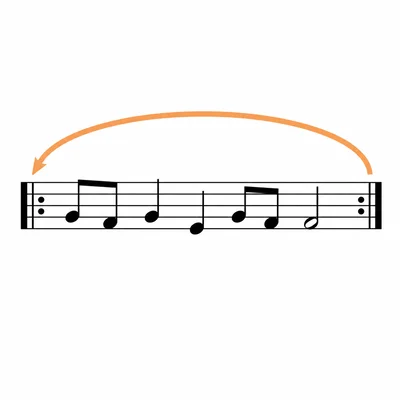
Describe how a repeat sign affects the way a performer plays a section of music.