Practice identifying the structure of DNA and explaining how information in genes is transcribed and translated into proteins.
Read each problem carefully. Answer in complete sentences and show your thinking when needed.
Exploring how genetic information is stored and used to build proteins
Biology - Grade 9-12
- 1
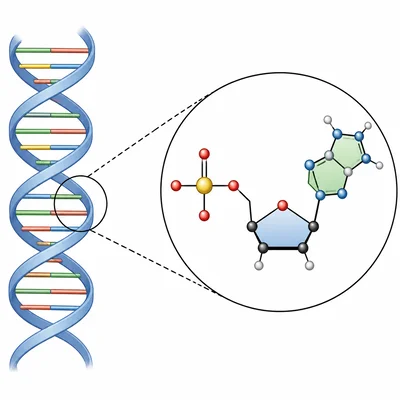
Describe the overall shape of a DNA molecule and name the two main parts that make up each nucleotide.
- 2
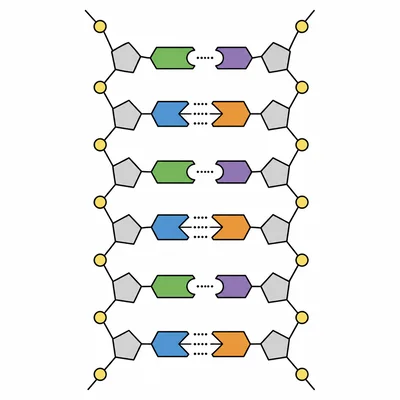
Name the four nitrogenous bases found in DNA and identify which bases pair together.
- 3
Explain why the sequence of bases in DNA is important to an organism.
- 4
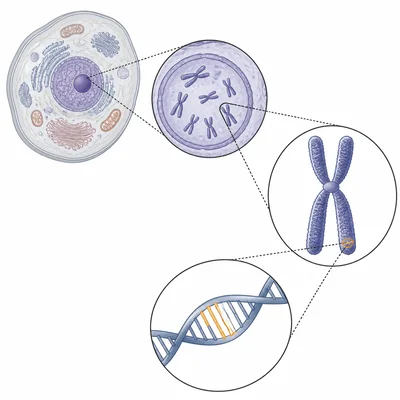
What is a gene, and where are genes located in a cell?
- 5
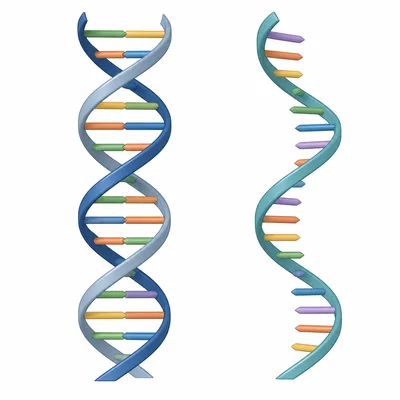
Compare DNA and RNA by giving two differences between them.
- 6
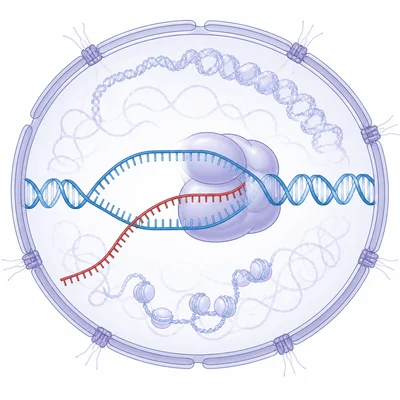
What is transcription, and where does it occur in a eukaryotic cell?
- 7
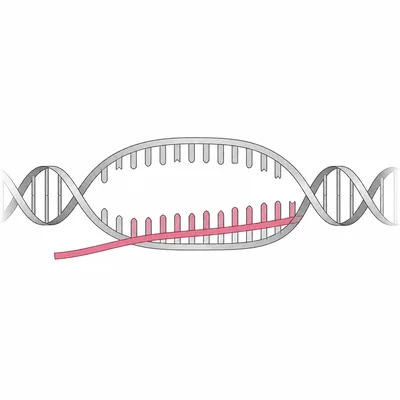
During transcription, how does mRNA relate to the DNA template strand?
- 8
Write the mRNA sequence that would be transcribed from this DNA template strand: TAC GGA CTT
- 9
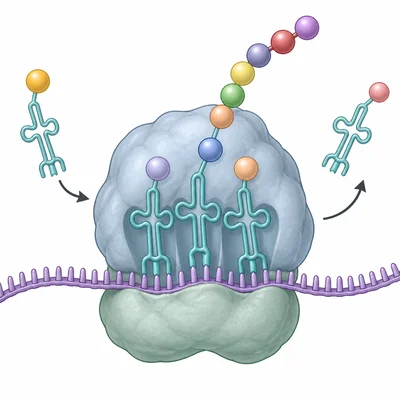
What is translation, and where does it occur in the cell?
- 10
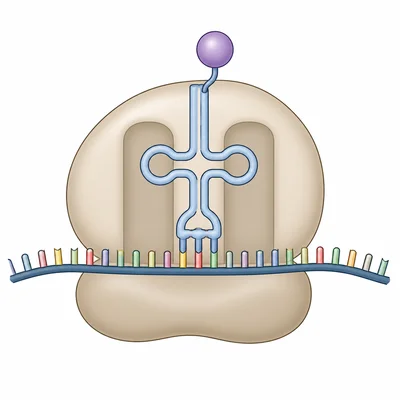
What is the role of tRNA in protein synthesis?
- 11
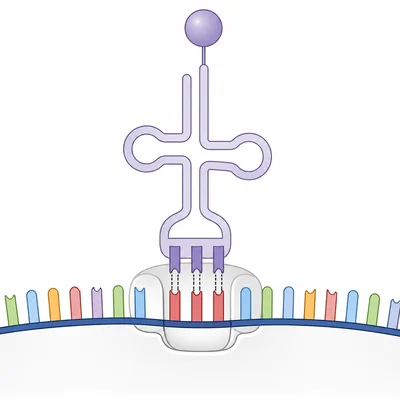
Define the term codon and explain its function in protein synthesis.
- 12
An mRNA strand contains the codons AUG UUU GGC. Explain what these codons represent during translation.
- 13
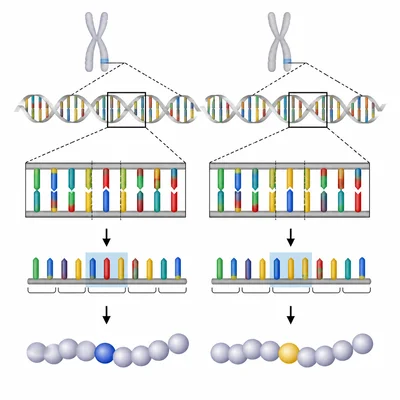
What happens if a mutation changes one base in a DNA sequence?
- 14
Explain why proteins are important in living organisms.
- 15
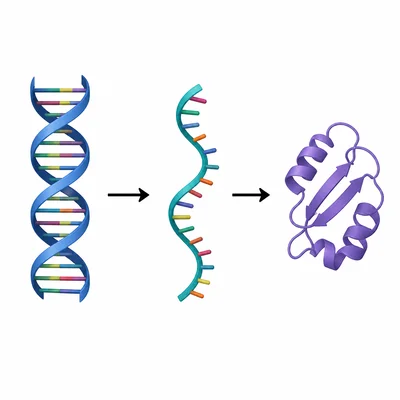
Summarize the flow of genetic information from DNA to RNA to protein.