Practice comparing mitosis and meiosis, identifying stages of cell division, and explaining how chromosome number changes.
Read each problem carefully. Answer in complete sentences and use key vocabulary about chromosomes, daughter cells, and cell division.
Comparing how cells grow, repair, and form gametes
Biology - Grade 9-12
- 1
State one main purpose of mitosis in multicellular organisms.
- 2
State one main purpose of meiosis in sexually reproducing organisms.
- 3
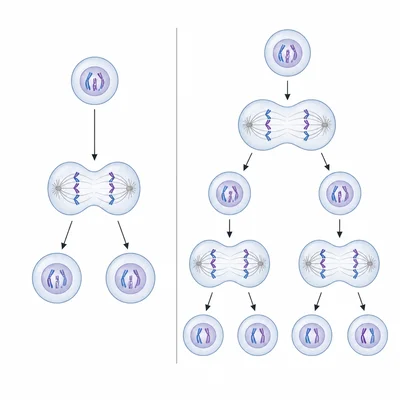
Compare the number of cell divisions in mitosis and meiosis.
- 4
A diploid cell has 46 chromosomes. After mitosis, how many chromosomes will each daughter cell have?
- 5
A diploid human cell has 46 chromosomes. After meiosis, how many chromosomes will each gamete have?
- 6
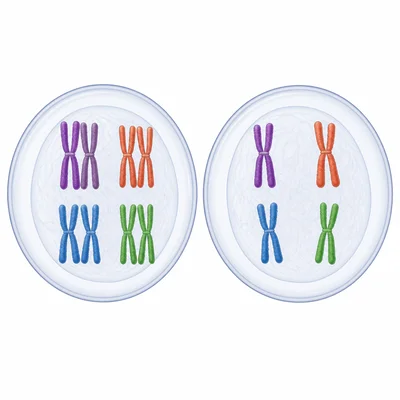
Explain the difference between diploid and haploid cells.
- 7
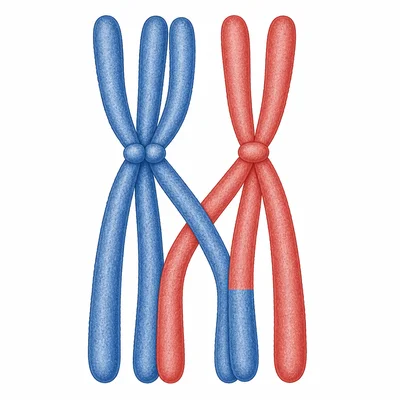
During which process do homologous chromosomes pair up and exchange genetic material through crossing over?
- 8
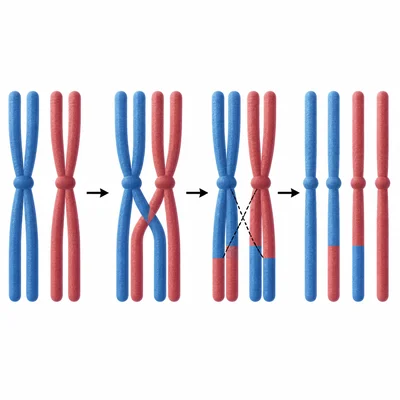
Describe one reason meiosis leads to genetic variation but mitosis usually does not.
- 9
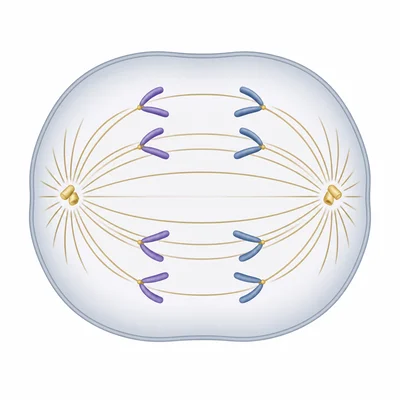
Name the stage of mitosis in which sister chromatids separate and move to opposite poles of the cell.
- 10
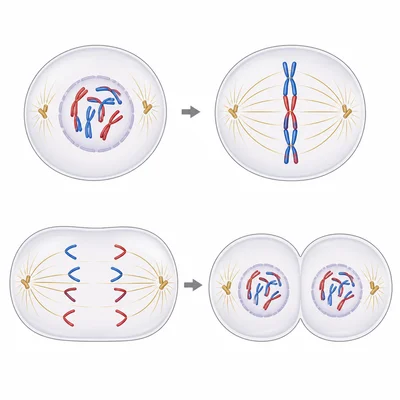
What are the four main stages of mitosis in order?
- 11
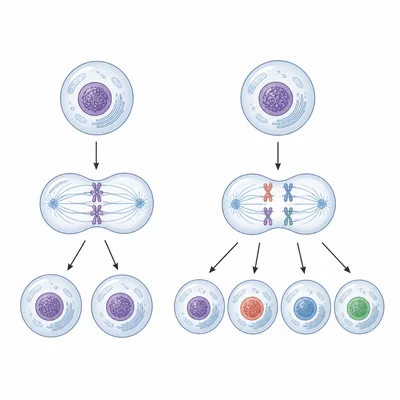
Compare the final products of mitosis and meiosis in terms of number of cells and genetic similarity.
- 12
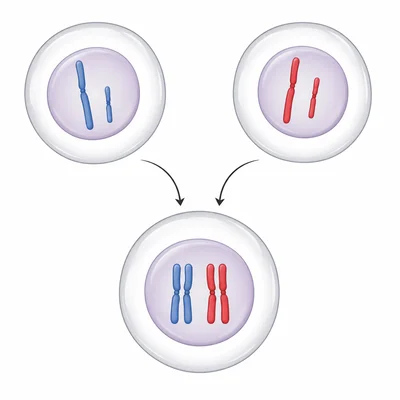
Why is it important for chromosome number to be reduced before fertilization in sexual reproduction?