Thermometer & Temperature Lab
Click on the thermometer to set a temperature. See the reading in both Celsius and Fahrenheit, find out what that weather feels like, and record your observations in the data table.
Guided ExperimentTemperature Investigation
Before you start, predict, at what Celsius temperature does water freeze? What temperature feels warm to you?
Write your hypothesis in the Lab Report panel, then click Next.
Controls
Reference Guide
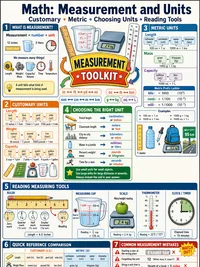
Reading a Thermometer
A thermometer measures temperature - how hot or cold something is. The red liquid inside rises when it gets warmer and falls when it gets cooler.
- Look at where the top of the red liquid lines up with the scale
- Read the nearest number on the scale
- The unit tells you if it is Celsius (°C) or Fahrenheit (°F)
- Numbers above zero are warmer; numbers below zero are colder
Celsius and Fahrenheit
There are two common scales for measuring temperature. Both describe the same temperatures, just with different numbers.
- Celsius (°C) - used in most countries and in science class
- Fahrenheit (°F) - used in the United States for weather
- Water freezes at 0 °C (32 °F)
- Water boils at 100 °C (212 °F)
- Normal body temperature is about 37 °C (98.6 °F)
Temperature Benchmarks
Knowing key temperatures helps you understand weather and science concepts. These benchmarks are useful to memorize.
- 0 °C / 32 °F - water freezes
- 20 °C / 68 °F - comfortable room temperature
- 37 °C / 98.6 °F - healthy human body temperature
- 100 °C / 212 °F - water boils (at sea level)
- -40 °C / -40 °F - the point where both scales are equal
Temperature and Weather
Temperature tells us a lot about weather conditions and what to expect outside. Scientists use thermometers every day to track and predict weather.
- Below 0 °C - snow and ice are possible
- 0 to 10 °C - cold, good for coats and scarves
- 10 to 20 °C - cool, light jacket weather
- 20 to 30 °C - warm and pleasant
- Above 30 °C - hot, drink plenty of water