Thermometer and Temperature Explorer
Tap the thermometer to set a temperature and see what it feels like outside. Learn the difference between hot and cold, practice Celsius and Fahrenheit, and find out what to wear at any temperature!
Tap anywhere on the thermometer to see what that temperature feels like! Or try these famous temperatures
Temperature Reference
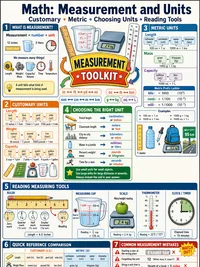
Reading a Thermometer
A thermometer measures how hot or cold something is. The red liquid (mercury or alcohol) rises when it is warm and falls when it is cold.
- Find the top of the red line.
- Look at the nearest number on the scale.
- Each small mark is usually 1 degree.
- Each big mark with a label is 10 degrees.
Practice by tapping different spots on the thermometer and reading the number shown at the top.
Celsius vs Fahrenheit
There are two common temperature scales used around the world.
- Celsius (°C) is used in most countries.
- Fahrenheit (°F) is used mainly in the United States.
- Water freezes at 0°C (32°F).
- Water boils at 100°C (212°F).
- Body temperature is 37°C (98.6°F).
Use the unit toggle at the top of the tool to switch between the two scales.
Temperature Benchmarks
Remembering key temperatures helps you understand weather reports and science facts.
- -10°C - Cold winter day. Wear a coat!
- 0°C - Freezing point. Ice forms.
- 20°C - Comfortable room temperature.
- 25°C - Warm sunny day. T-shirt weather.
- 37°C - Your body temperature.
- 40°C - Very hot summer day.
Comparing Temperatures
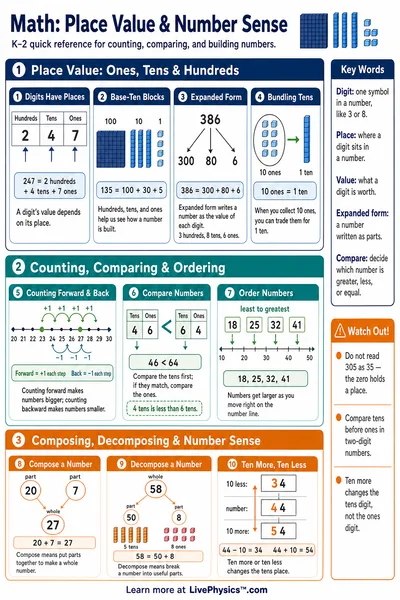
To compare two temperatures, find which number is bigger (warmer) or smaller (cooler).
- A higher number means it is warmer.
- A lower (or more negative) number means it is cooler.
- To find the difference, subtract the smaller from the larger.
Example. 25°C is warmer than 10°C. The difference is 25 - 10 = 15°C.
Try the Challenge mode to practice comparing two temperatures at once!