Practice identifying the structures, building blocks, bonds, and functions of carbohydrates, proteins, lipids, and nucleic acids.
Read each problem carefully. Use complete sentences when explaining your reasoning. Show your work in the space provided.
Structure and function of the four major biological macromolecules
Biology - Grade 9-12
- 1
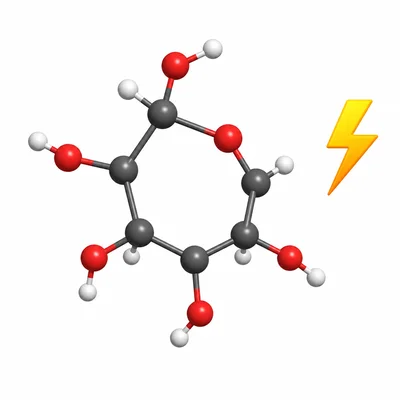
A student finds a molecule made of carbon, hydrogen, and oxygen in about a 1:2:1 ratio. The molecule is used by cells for quick energy. Which macromolecule group does it most likely belong to, and why?
- 2
Complete the relationship: monosaccharide is to carbohydrate as amino acid is to which macromolecule?
- 3
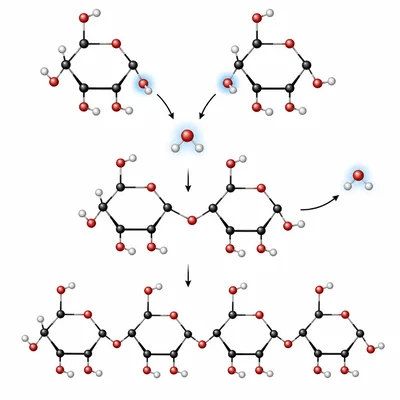
A diagram shows glucose molecules joining together to form a long starch molecule while water molecules are released. What type of chemical reaction is shown?
- 4
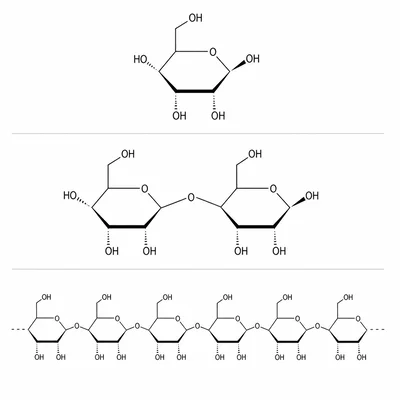
Explain the difference between a monosaccharide, a disaccharide, and a polysaccharide. Give one example of each.
- 5
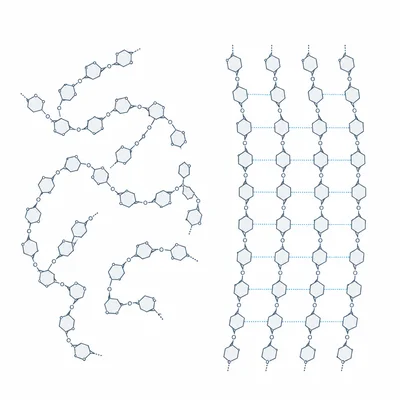
Cellulose and starch are both made of glucose monomers, but animals can digest starch more easily than cellulose. Explain why two molecules made from the same monomer can have different properties.
- 6
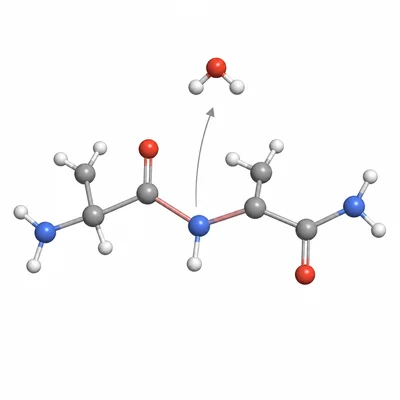
A protein is made when amino acids are joined together. What type of bond connects one amino acid to another in a protein?
- 7
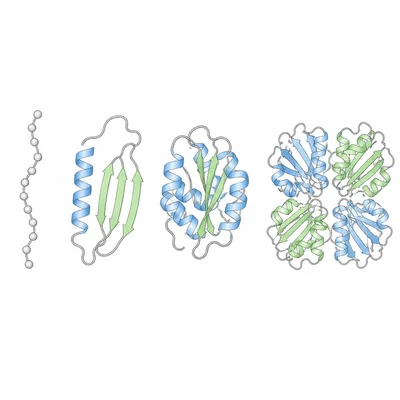
List the four levels of protein structure in order from simplest to most complex, and briefly describe the primary level.
- 8
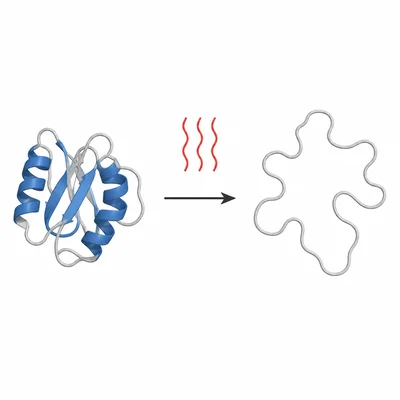
A protein loses its normal three-dimensional shape after being exposed to very high heat. What is this process called, and how can it affect the protein's function?
- 9
A food sample leaves a translucent spot on brown paper after drying. Which macromolecule is likely present, and what is one major function of this macromolecule group?
- 10
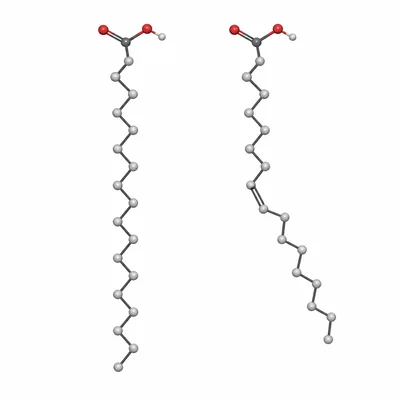
Compare saturated and unsaturated fatty acids in terms of carbon-carbon bonds and physical shape.
- 11
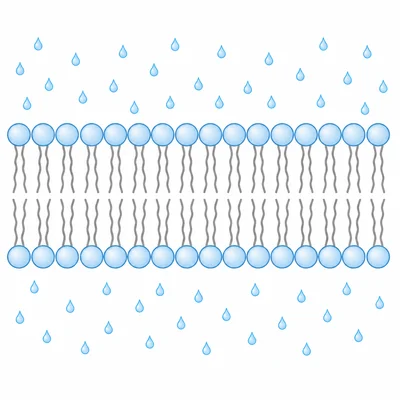
A phospholipid has a hydrophilic head and two hydrophobic tails. Explain how this structure helps form cell membranes.
- 12
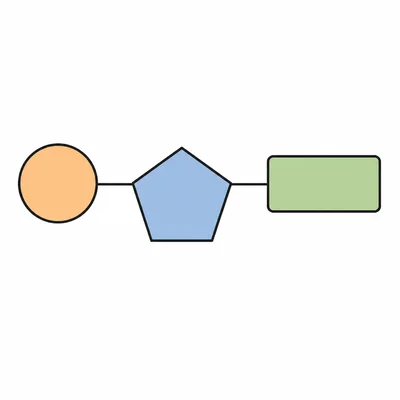
What are the three parts of a nucleotide?
- 13
In DNA, a strand has the base sequence A T G C C A. Write the complementary DNA strand.
- 14
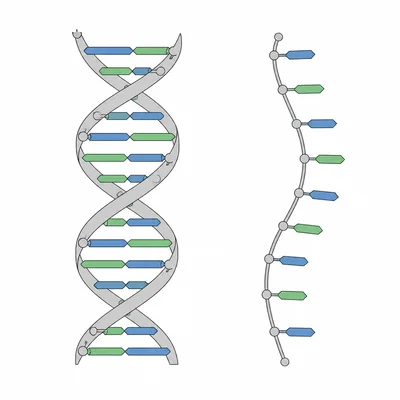
Explain two key differences between DNA and RNA.
- 15
A lab table lists four unknown samples: Sample A tests positive with Benedict's solution after heating, Sample B tests positive with Biuret solution, Sample C tests positive with Sudan stain, and Sample D contains a polymer of nucleotides. Identify the main macromolecule in each sample.