Practice identifying ocean zones from the sunlight zone to the abyss and explaining how conditions change with depth.
Read each problem carefully. Use complete sentences when explaining your thinking. Show your work in the space provided when a calculation is needed.
Exploring how light, pressure, and life change with depth
Earth Science - Grade 6-8
- 1
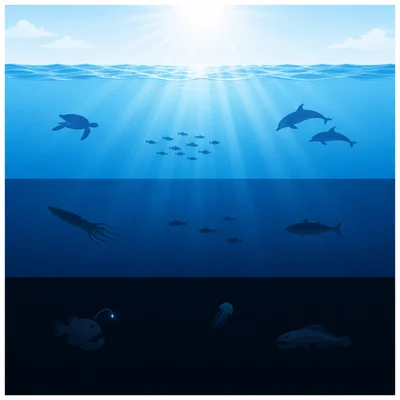
Name the three main ocean depth zones often described as the sunlight zone, twilight zone, and midnight zone. For each one, describe how much sunlight it receives.
- 2
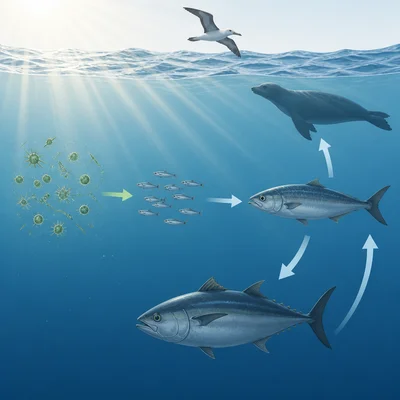
The epipelagic zone extends from the ocean surface to about 200 meters deep. Why is this zone important for ocean food webs?
- 3
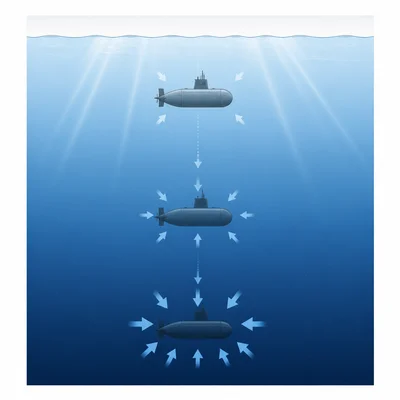
A submarine travels from 50 meters deep to 1,000 meters deep. Describe two environmental changes the submarine would experience as it descends.
- 4
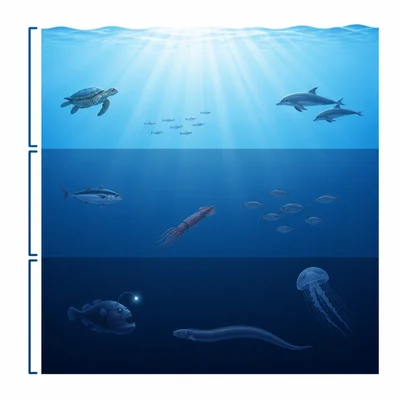
Match each depth range to the correct ocean zone: 0 to 200 meters, 200 to 1,000 meters, and 1,000 to 4,000 meters. Use the terms epipelagic, mesopelagic, and bathypelagic.
- 5
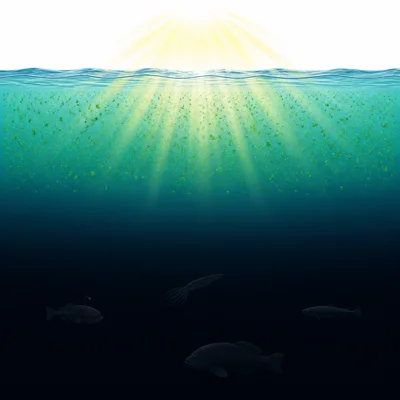
Explain why photosynthesis is common in the sunlight zone but not in the midnight zone.
- 6
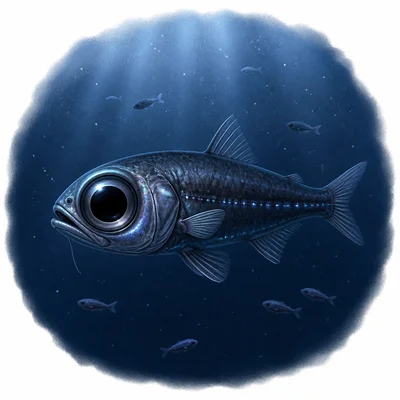
Many animals in the mesopelagic, or twilight, zone have large eyes. Explain how this adaptation helps them survive.
- 7
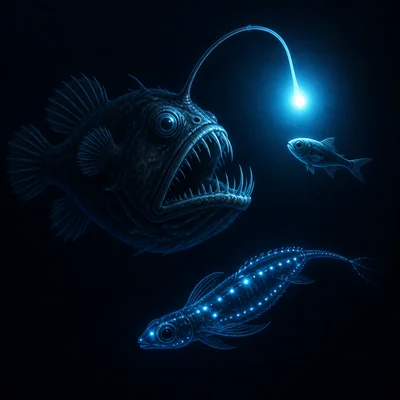
Bioluminescence is common in deep ocean animals. Give two possible survival benefits of making light in a dark environment.
- 8
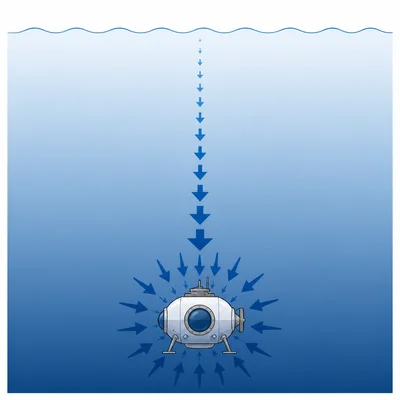
At sea level, pressure is about 1 atmosphere. In the ocean, pressure increases by about 1 atmosphere for every 10 meters of depth. About how many atmospheres of pressure would an organism experience at 300 meters deep, including the 1 atmosphere at the surface?
- 9
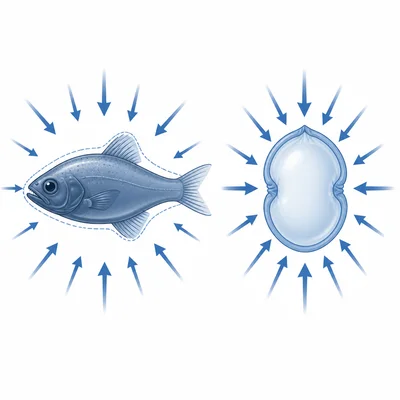
Why do many deep-sea animals have soft, flexible bodies instead of air-filled spaces like lungs or swim bladders?
- 10
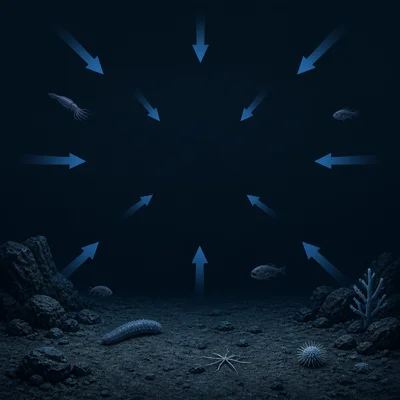
The abyssopelagic zone is found roughly between 4,000 and 6,000 meters deep. Describe the light, temperature, and pressure conditions in this zone.
- 11
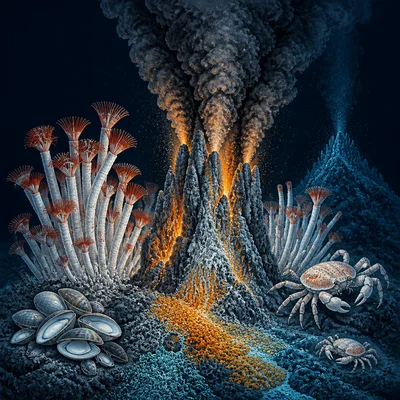
Hydrothermal vents can support life in deep ocean areas where there is no sunlight. Explain how these ecosystems get energy.
- 12
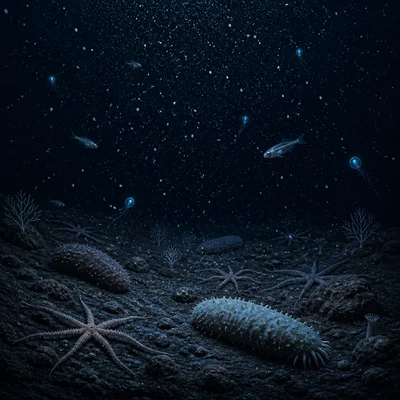
A student says, "No sunlight reaches the abyss, so nothing can live there." Explain why this statement is incorrect.