Practice noticing what we see in the sky during the day and at night.
Read each problem carefully. Draw or write your answer in the space provided.
Observing the Sun, Moon, stars, and sky patterns
Earth Science - Grade K-1
- 1
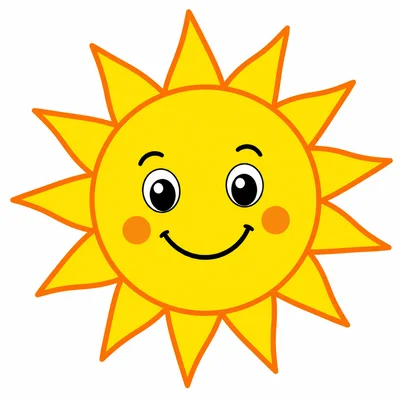
What bright object do we usually see in the sky during the day?
- 2
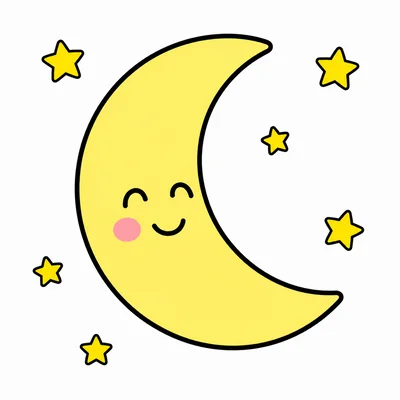
What object do we often see in the sky at night that can look round, half, or like a crescent?
- 3
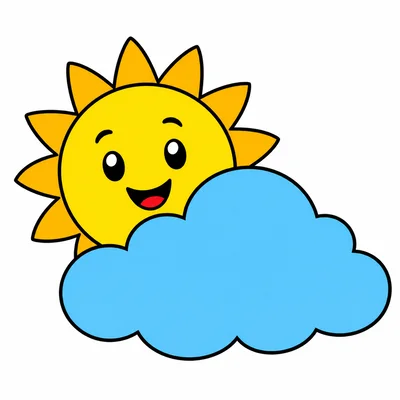
Name two things you might see in the sky during the daytime.
- 4
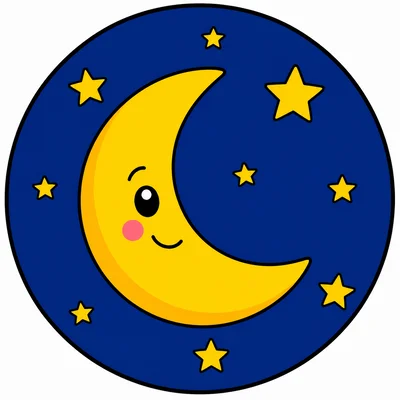
Name two things you might see in the sky at night.
- 5
Is the sky usually brighter during the day or at night?
- 6
If you see many stars in the sky, is it probably day or night?
- 7

What do clouds do in the sky?
- 8

When the Sun goes down, what time of day begins?
- 9
When the Sun comes up, what time of day begins?
- 10
Does the Moon make its own light, or does it reflect light from the Sun?
- 11
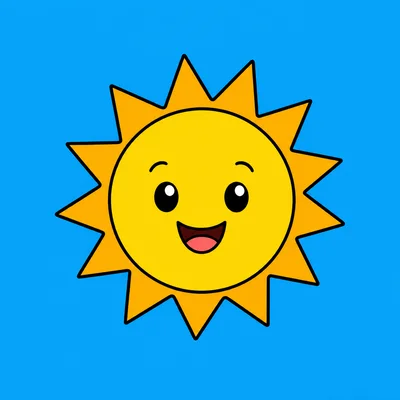
What color might the sky be on a clear day?
- 12
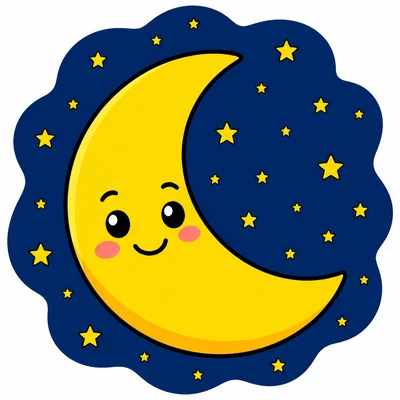
What tiny lights can we see in the sky at night?
- 13
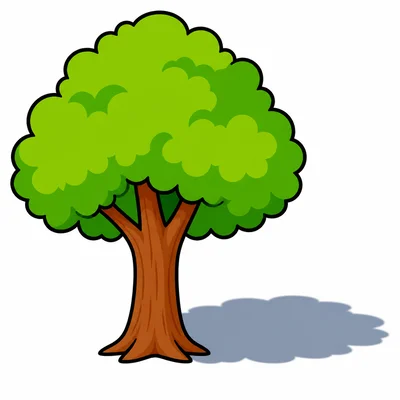
Circle the time when shadows are easiest to see outside: day or night. Then explain.
- 14
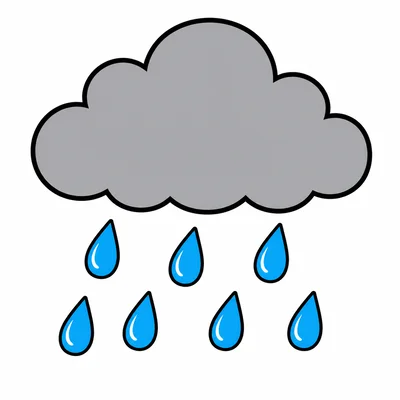
How can the sky change when weather changes?
- 15
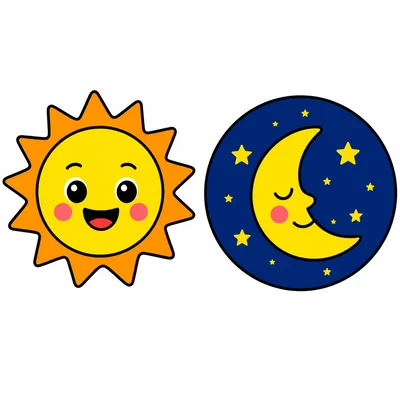
Draw and label one thing you see in the day sky and one thing you see in the night sky.