Practice naming melodic and harmonic intervals, identifying chord qualities, and recognizing chord inversions using note names and figured bass symbols.
Read each problem carefully. Show your work in the space provided, including note counting, interval quality, chord quality, and inversion when needed.
Identifying intervals, triads, seventh chords, and inversions
Music - Grade 9-12
- 1
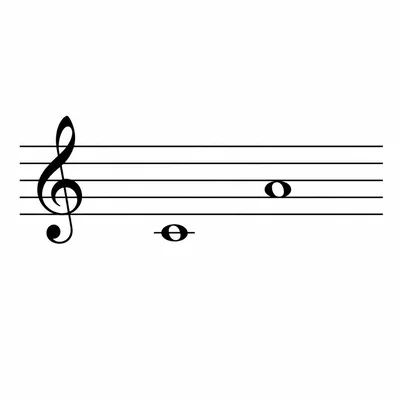
Identify the interval from C up to G. Give both the number and quality of the interval.
- 2
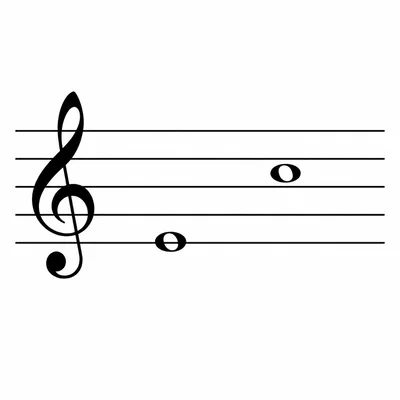
Identify the interval from E up to C. Give both the number and quality of the interval.
- 3
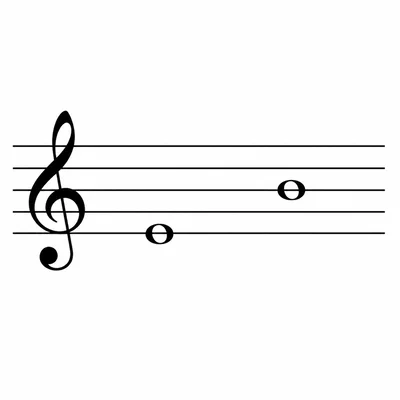
Identify the interval from F up to B. Give both the number and quality of the interval.
- 4
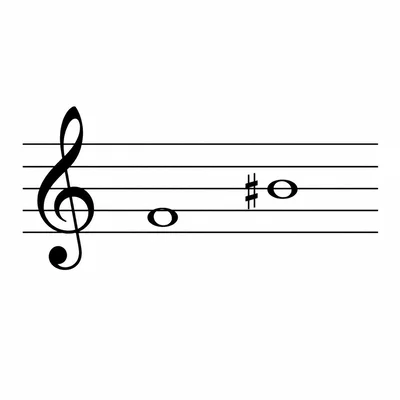
Identify the interval from A up to C sharp. Give both the number and quality of the interval.
- 5
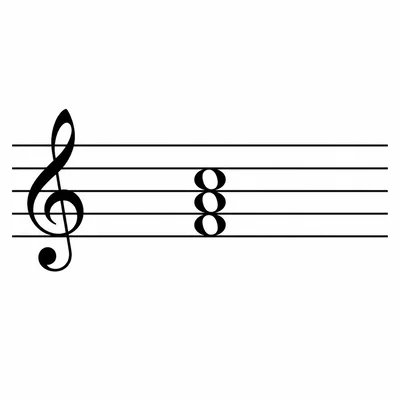
A triad has the notes G, B, and D, with G as the lowest sounding note. Identify the chord quality and inversion.
- 6
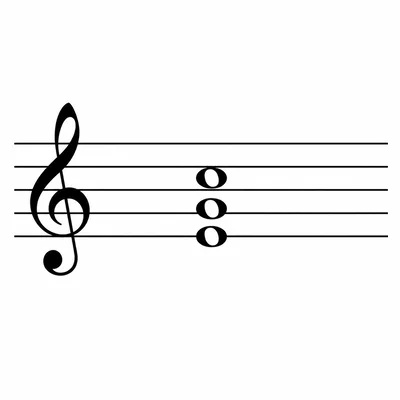
A triad has the notes E, G, and C, with E as the lowest sounding note. Identify the chord quality and inversion.
- 7
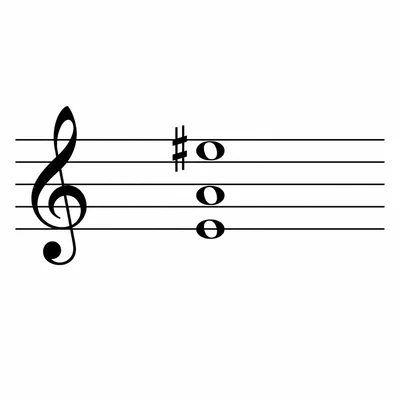
A triad has the notes A, D, and F sharp, with A as the lowest sounding note. Identify the chord quality and inversion.
- 8
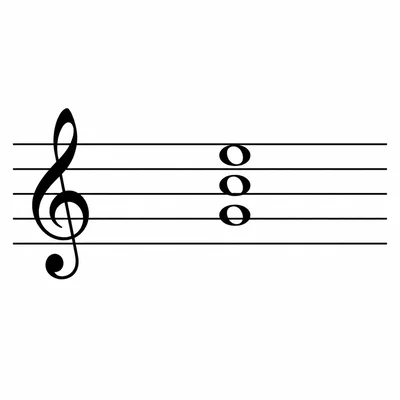
A triad has the notes B, D, and F, with B as the lowest sounding note. Identify the chord quality and inversion.
- 9
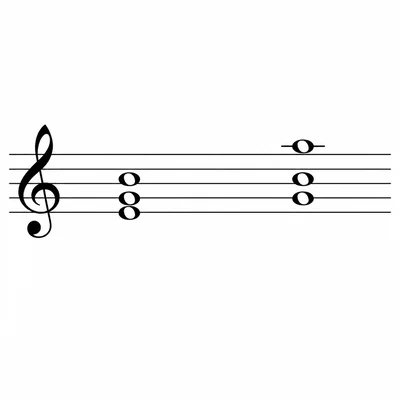
Write the notes of an A minor triad in root position. Then write the same triad in first inversion.
- 10
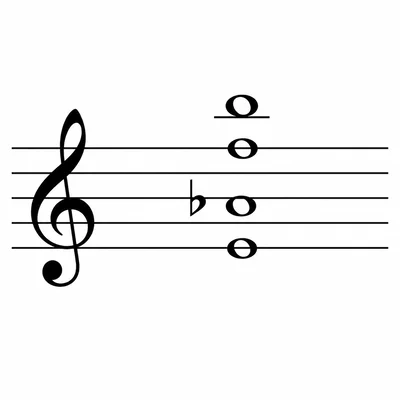
A seventh chord has the notes F, A, C, and E flat, with C as the lowest sounding note. Identify the chord quality and inversion.
- 11
Match each figured bass symbol to the correct triad inversion: 6, 6/4, and no symbol or 5/3.
- 12
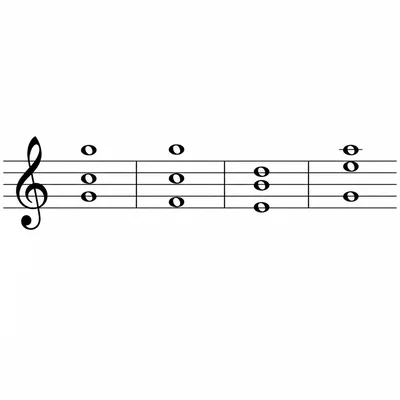
Analyze the chord progression: C major in root position, G major in first inversion, A minor in root position, F major in second inversion. Write the Roman numerals with inversion figures in the key of C major.