Practice constructing major and minor scales, recognizing whole-step and half-step patterns, and understanding how scales shape musical sound.
Read each problem carefully. Show your work in the space provided, using note names, accidentals, or brief explanations as needed.
Identifying, building, and comparing major and minor scales
Music - Grade 9-12
- 1
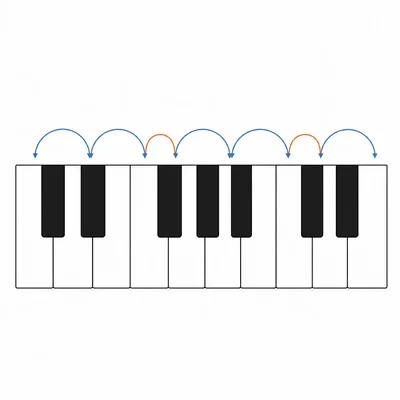
Write the whole-step and half-step pattern for a major scale. Use W for whole step and H for half step.
- 2
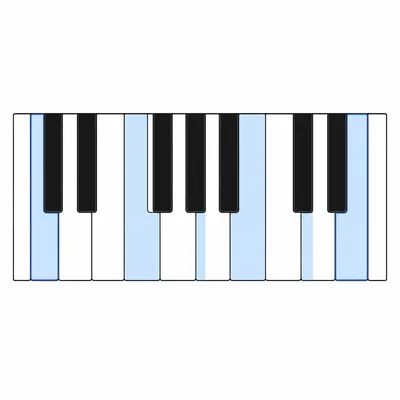
Build a D major scale. Write all eight notes, including the repeated tonic at the top.
- 3
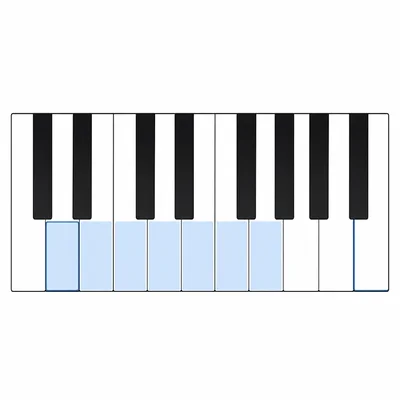
Build an A natural minor scale. Write all eight notes, including the repeated tonic at the top.
- 4
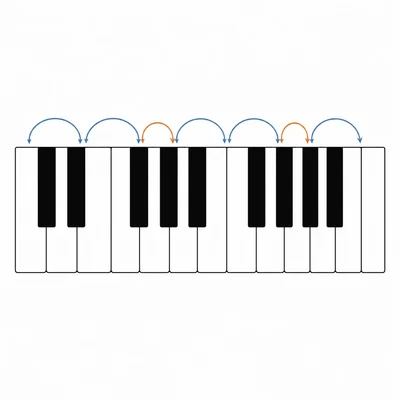
Write the whole-step and half-step pattern for a natural minor scale. Use W for whole step and H for half step.
- 5
Identify the relative minor of E-flat major. Explain how you found it.
- 6
Identify the relative major of F-sharp minor. Explain how you found it.
- 7
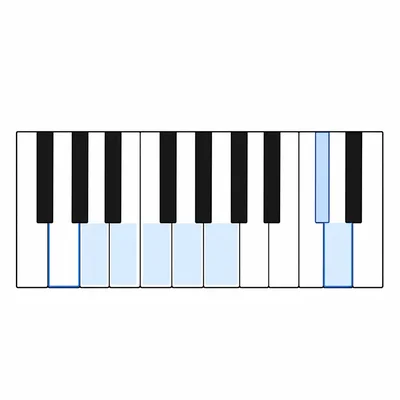
Build a G major scale and name its key signature.
- 8
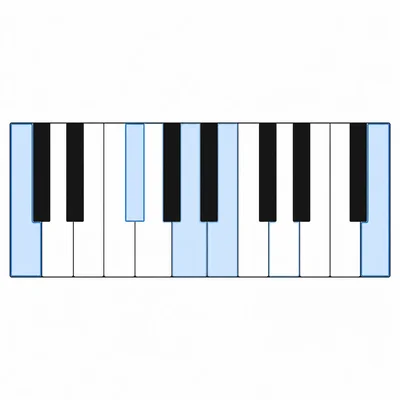
Build an E natural minor scale and name its key signature.
- 9
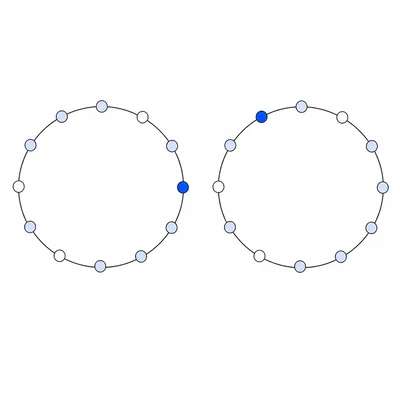
Compare C major and A natural minor. They use the same notes. Explain why they sound different.
- 10
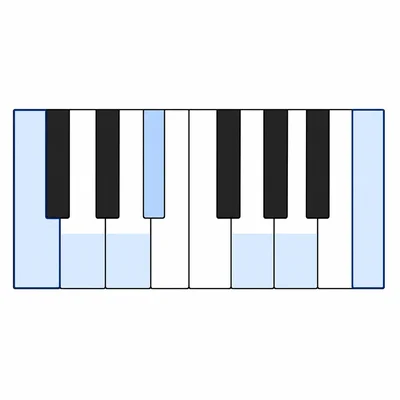
A scale contains the notes F, G, A, B-flat, C, D, E, F. Identify the scale and explain your answer.
- 11
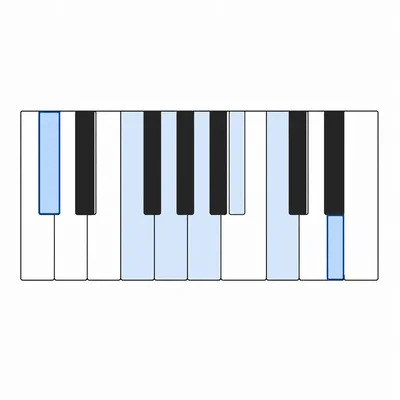
A scale contains the notes D, E, F, G, A, B-flat, C, D. Identify the scale and explain your answer.
- 12
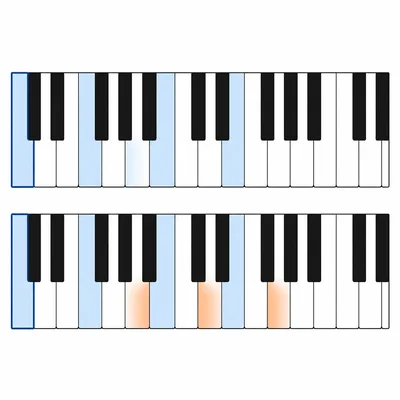
Explain the difference between parallel major and minor scales using C major and C natural minor as examples.