Practice basic music theory skills, including note names, rhythm values, time signatures, dynamics, and common symbols.
Read each problem carefully. Write your answer in complete sentences when needed. Count beats carefully and use the music symbols shown in each problem.
Reading notes, rhythms, and musical symbols
Music - Grade 4-5
- 1
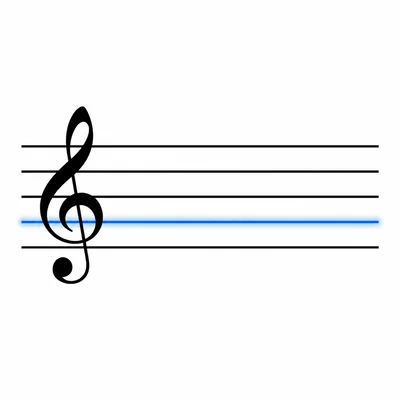
On the treble clef, the notes on the lines from bottom to top are E, G, B, D, and F. What note is on the second line from the bottom?
- 2
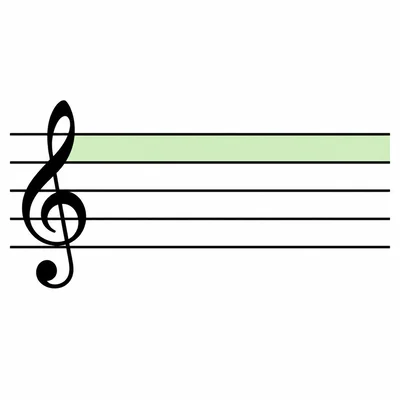
On the treble clef, the notes in the spaces from bottom to top spell F, A, C, and E. What note is in the top space?
- 3
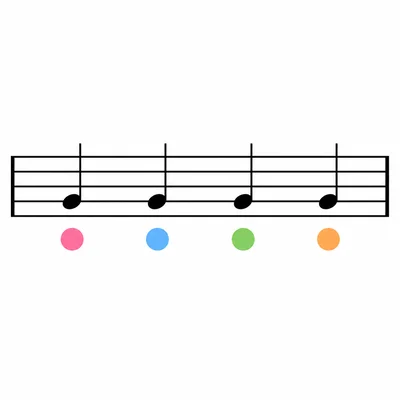
A quarter note gets 1 beat. How many beats are in 4 quarter notes?
- 4
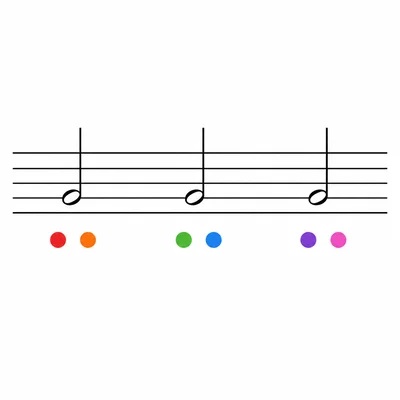
A half note gets 2 beats. How many beats are in 3 half notes?
- 5
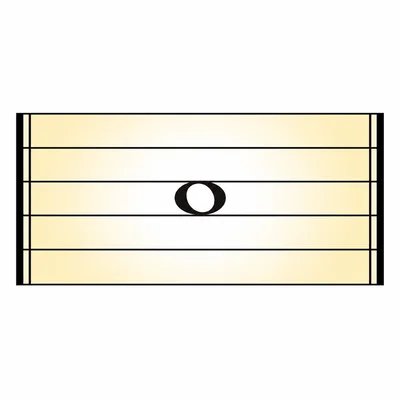
A whole note gets 4 beats. In 4/4 time, how many measures does one whole note fill?
- 6
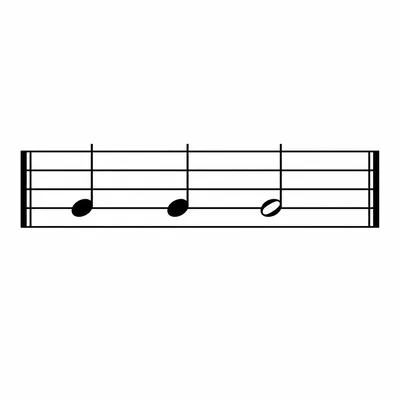
Look at a measure in 4/4 time with these notes: quarter note, quarter note, half note. Does the measure have the correct number of beats? Explain.
- 7
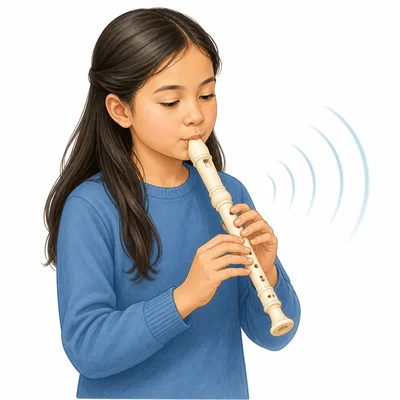
The dynamic marking p means piano. What does it tell a musician to do?
- 8
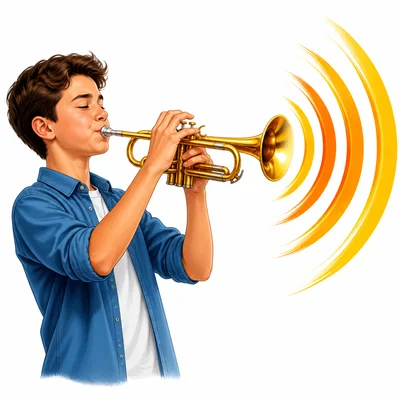
The dynamic marking f means forte. What does it tell a musician to do?
- 9
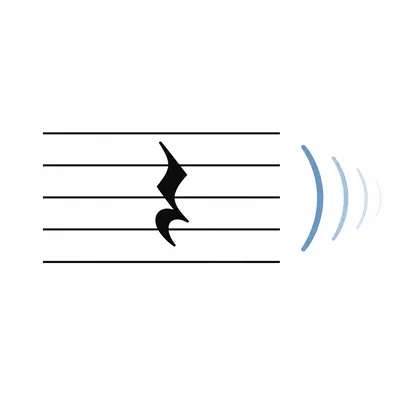
A rest means silence in music. How many beats of silence does a quarter rest usually get in 4/4 time?
- 10
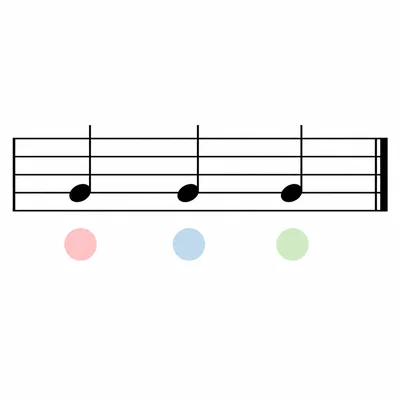
In 3/4 time, how many beats are in each measure?
- 11
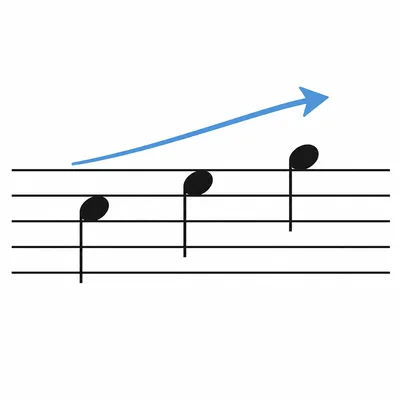
A melody moves from C to D to E. Is the melody moving upward, downward, or staying the same in pitch?
- 12
What is the musical alphabet?
- 13
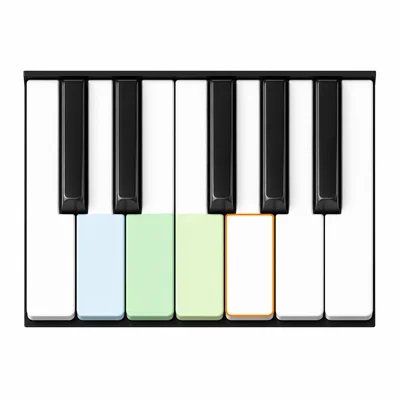
On a piano keyboard, the white key immediately to the right of C is D. What is the white key immediately to the right of D?
- 14
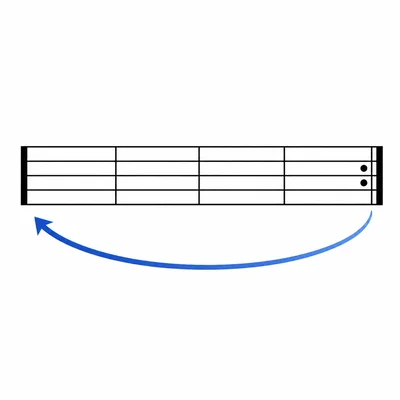
A repeat sign tells musicians to play a section again. If a song section has 8 measures and a repeat sign sends you back to play it one more time, how many measures do you play in all?
- 15
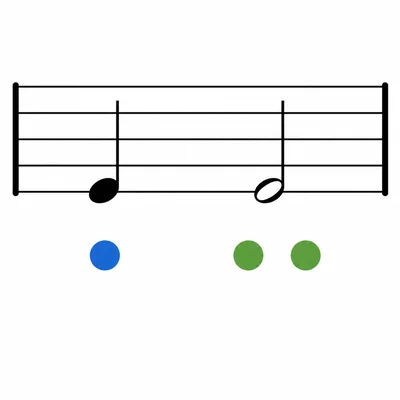
Write one example of a rhythm that adds up to 4 beats using quarter notes and half notes.