Practice identifying parts of the electromagnetic spectrum and explaining how wavelength, frequency, and energy are related.
Read each problem carefully. Show your work and explain your reasoning when asked.
Exploring wavelengths, frequencies, energy, and everyday uses
Physics - Grade 6-8
- 1
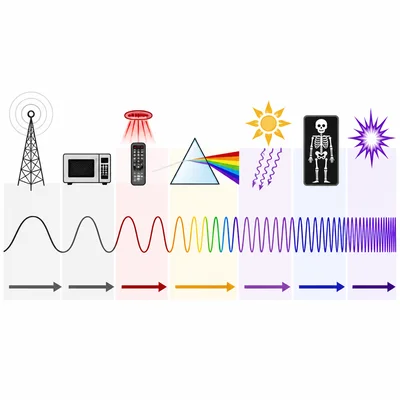
List the seven main regions of the electromagnetic spectrum in order from longest wavelength to shortest wavelength.
- 2
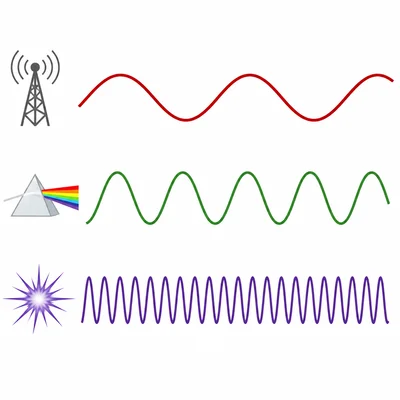
Which type of electromagnetic wave has the highest frequency: radio waves, visible light, or gamma rays? Explain your answer.
- 3
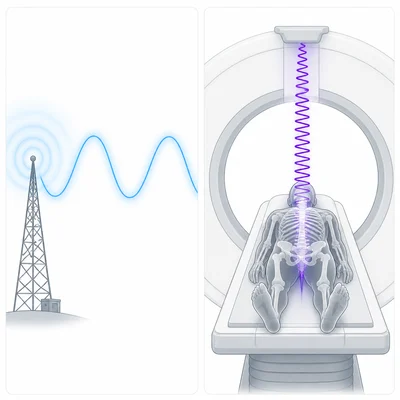
A wave has a very long wavelength and low energy. Is it more likely to be a radio wave or an X-ray? Explain your choice.
- 4
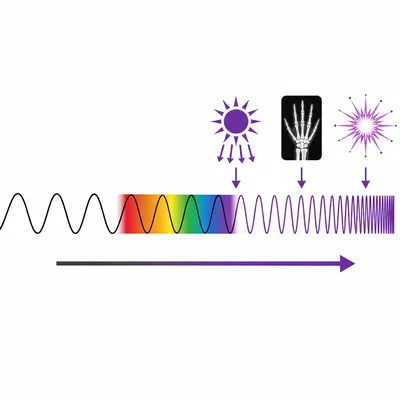
Visible light is only one small part of the electromagnetic spectrum. Name two types of electromagnetic waves that have shorter wavelengths than visible light.
- 5
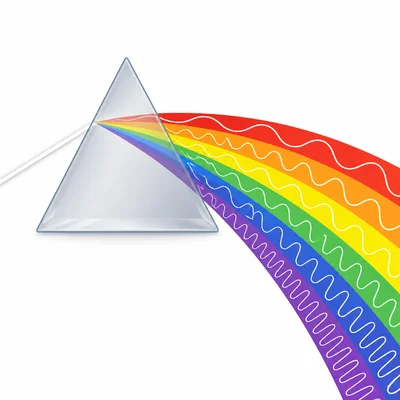
Visible light includes the colors red, orange, yellow, green, blue, indigo, and violet. Which color has the longest wavelength, and which color has the shortest wavelength?
- 6
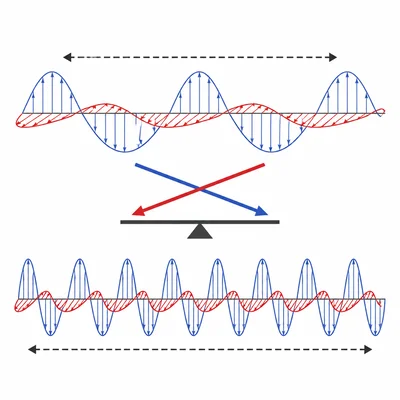
Explain the relationship between wavelength and frequency for electromagnetic waves.
- 7

A microwave oven uses electromagnetic waves to heat food. Which region of the electromagnetic spectrum does it use?
- 8
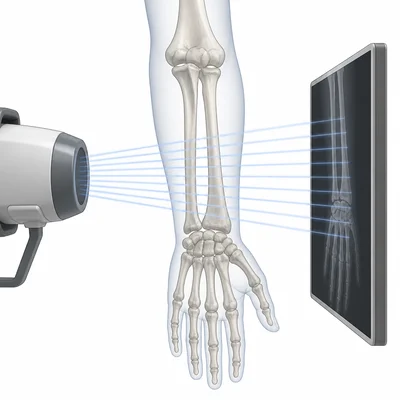
Doctors sometimes use X-rays to see bones inside the body. Why can X-rays be useful for medical imaging?
- 9
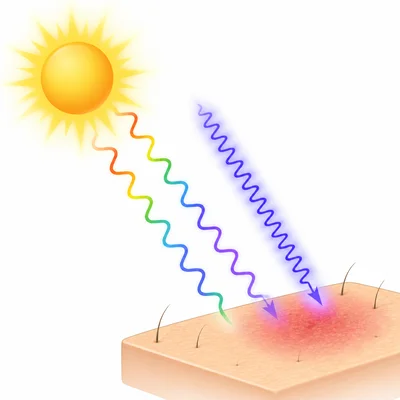
Ultraviolet light from the Sun can cause sunburn. Is ultraviolet light higher or lower in energy than visible light? Explain.
- 10
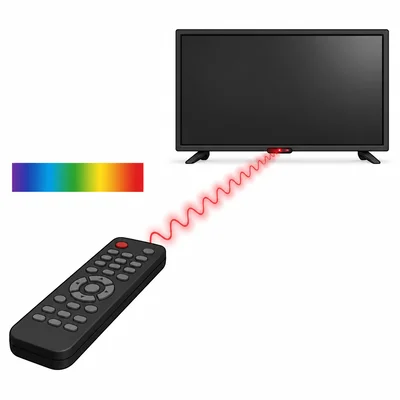
A remote control often uses infrared light to send signals to a television. Is infrared light just beyond the red end or the violet end of visible light?
- 11
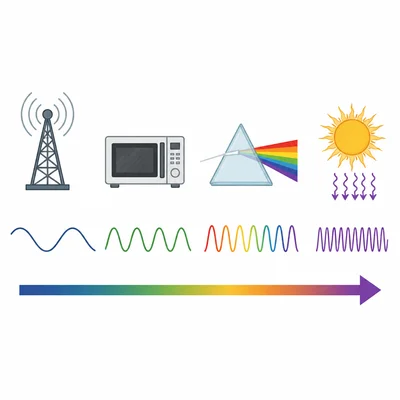
Put these waves in order from lowest energy to highest energy: ultraviolet, radio, visible light, microwave.
- 12
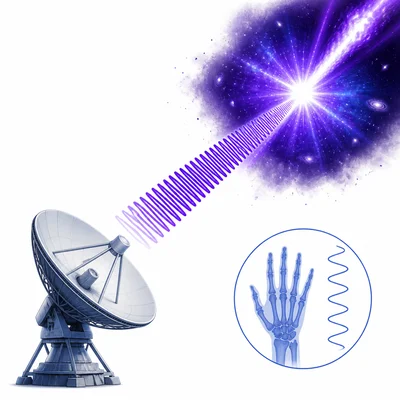
A scientist detects electromagnetic waves coming from space that have wavelengths shorter than X-rays. What type of waves are these most likely to be?
- 13
Explain why all parts of the electromagnetic spectrum are considered electromagnetic waves, even though they have different names.
- 14
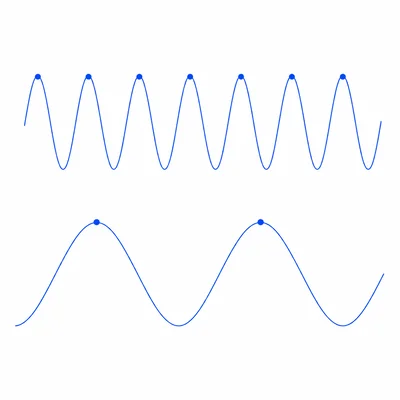
A diagram shows waves A and B. Wave A has crests close together, and wave B has crests far apart. Which wave has the higher frequency, and which has the longer wavelength?
- 15
Choose one type of electromagnetic wave and describe one everyday use for it.