Practice AP Psychology concepts related to consciousness, circadian rhythms, sleep stages, dreams, and altered states of consciousness.
Read each problem carefully. Use AP Psychology vocabulary in your answers and explain your reasoning when asked.
Identifying sleep stages, biological rhythms, and altered states
Psychology - Grade 9-12
- 1
Define consciousness in psychological terms and give one example of a normal waking conscious experience.
- 2
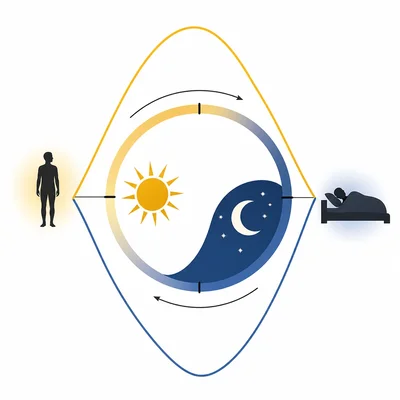
A student says they always feel sleepy around 11:00 p.m. and wake up naturally around 7:00 a.m. Explain how circadian rhythm relates to this pattern.
- 3
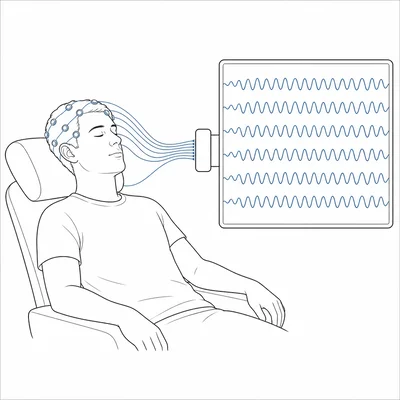
Identify the brain wave pattern most commonly associated with relaxed wakefulness before sleep, and describe what the person may be experiencing.
- 4
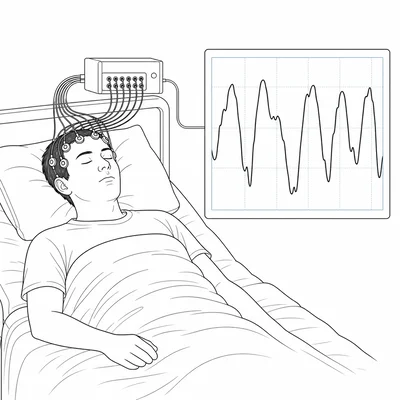
A sleep lab recording shows very slow, high-amplitude delta waves. Which sleep stage is most likely occurring, and why is this stage important?
- 5
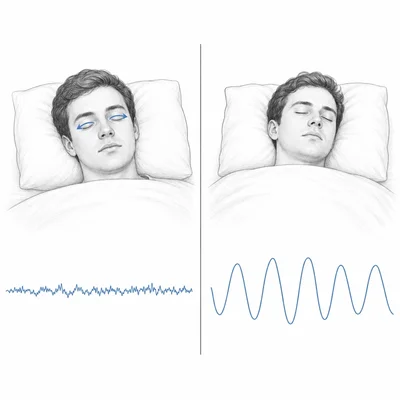
Compare REM sleep and NREM-3 sleep by describing one key feature of each.
- 6
A person is awakened during REM sleep and reports a vivid, storylike dream. Explain why this result fits what psychologists know about REM sleep.
- 7
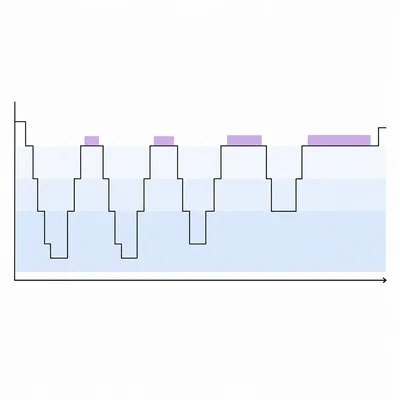
During a typical night, how does the amount of REM sleep change across sleep cycles?
- 8
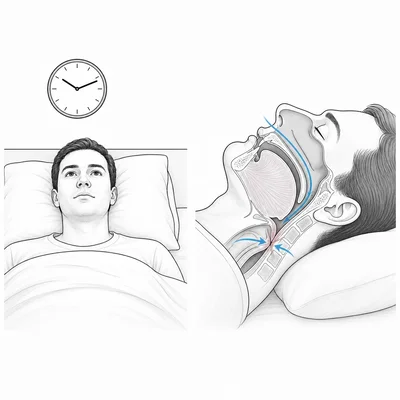
Explain the difference between insomnia and sleep apnea.
- 9
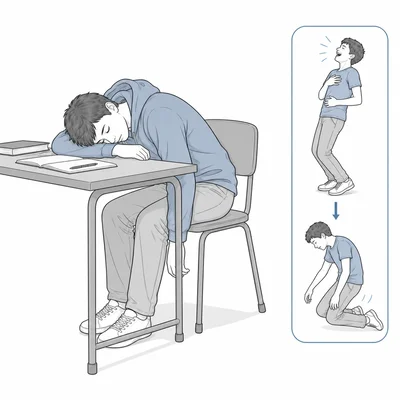
A person suddenly collapses into sleep during the day and may experience sudden muscle weakness during strong emotions. Identify the sleep disorder and explain the symptoms.
- 10
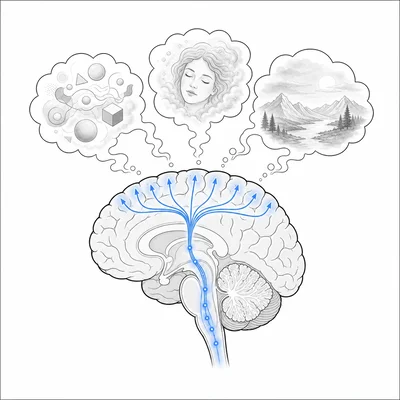
Describe the activation-synthesis theory of dreaming.
- 11
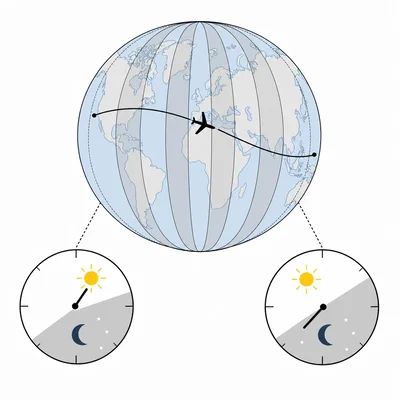
A traveler flies across several time zones and feels tired during the day but awake at night. Explain this experience using the concept of circadian disruption.
- 12
Explain how hypnosis can be understood as an altered state of consciousness, and give one example of how it might be used.