Explore the origins of psychology, key historical figures, and the major perspectives used to understand behavior and mental processes.
Read each problem carefully. Answer in complete sentences and use evidence from psychology terms when appropriate.
Tracing psychology from early ideas to modern approaches
Psychology - Grade 9-12
- 1
Define psychology in your own words. Your definition should include both behavior and mental processes.
- 2
Explain why Wilhelm Wundt is often called the father of modern psychology.
- 3
What was structuralism, and what method did structuralists often use to study the mind?
- 4
Compare structuralism and functionalism. Describe one key difference between them.
- 5
William James was closely connected to functionalism. Explain how functionalism reflects the idea of adaptation.
- 6
Describe the behaviorist perspective. Why did behaviorists focus on observable behavior instead of inner thoughts?
- 7

A student studies more after receiving praise from a teacher for a good quiz score. Which psychological perspective best explains this change in behavior, and why?
- 8
Identify the main focus of the psychoanalytic perspective developed by Sigmund Freud.
- 9
Explain how the humanistic perspective differs from the psychoanalytic perspective.
- 10
Carl Rogers and Abraham Maslow are associated with the humanistic perspective. Choose one of them and describe one major idea connected to that psychologist.
- 11
Describe the cognitive perspective in psychology. Give one example of a topic a cognitive psychologist might study.
- 12
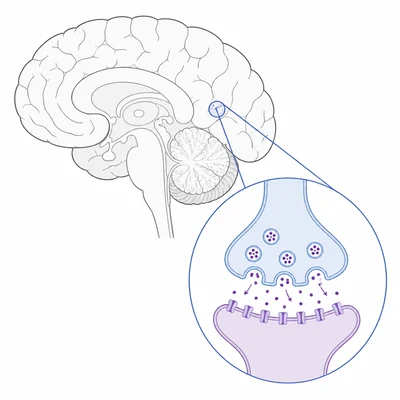
A psychologist studies how brain chemistry is related to depression. Which perspective is most closely connected to this research, and why?
- 13
Explain the sociocultural perspective. Include an example of how culture or social setting might influence behavior.
- 14
Match each example to the best perspective: A. studying memory strategies, B. studying learned fear after a dog bite, C. studying genetic influences on anxiety, D. studying the need for personal growth. Write the matching perspective for each letter.
- 15
Psychologists often use multiple perspectives to understand the same behavior. Choose a behavior, such as test anxiety, aggression, or motivation, and explain how two different perspectives might study it.