Practice key ideas about neurons, neurotransmitters, brain structures, and how biological processes influence behavior.
Read each problem carefully. Answer in complete sentences and use psychology vocabulary where appropriate.
Exploring how the nervous system supports thought, emotion, and behavior
Psychology - Grade 9-12
- 1
Describe the main job of a neuron and explain why neurons are important for behavior.
- 2
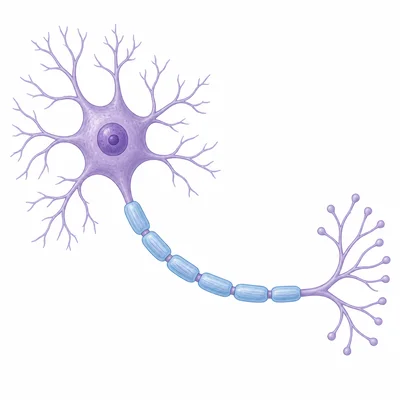
Identify the function of each neuron part: dendrites, cell body, axon, myelin sheath, and axon terminals.
- 3
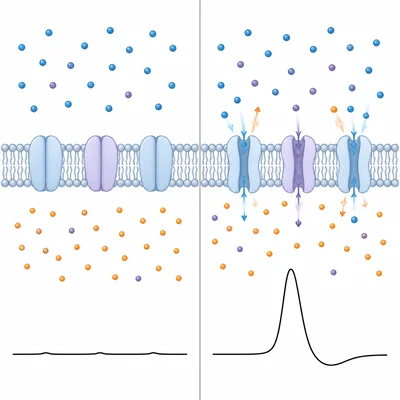
Explain the difference between an action potential and resting potential.
- 4
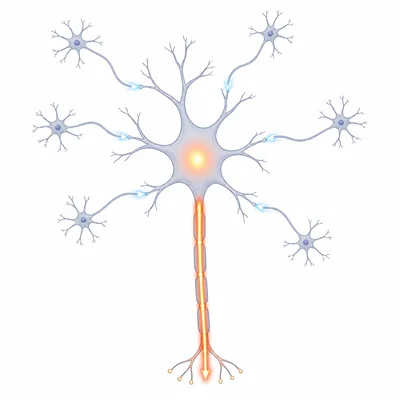
A neuron receives several weak signals from nearby neurons. Together, these signals make the neuron reach threshold and fire. What process is being described?
- 5
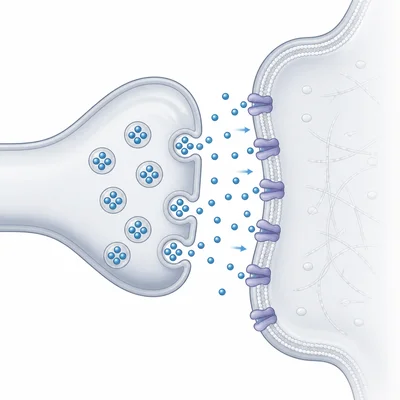
Define neurotransmitter and explain what happens at the synapse.
- 6
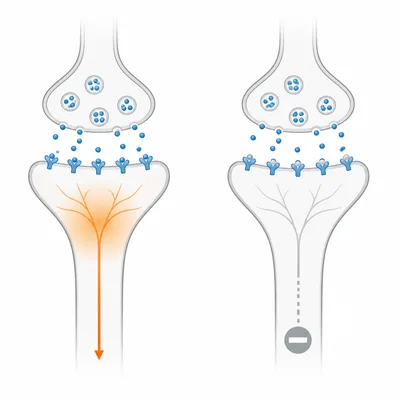
Compare excitatory and inhibitory neurotransmitter effects.
- 7
Dopamine is often involved in reward, motivation, and movement. Give one example of a behavior or condition that could be affected by dopamine activity.
- 8
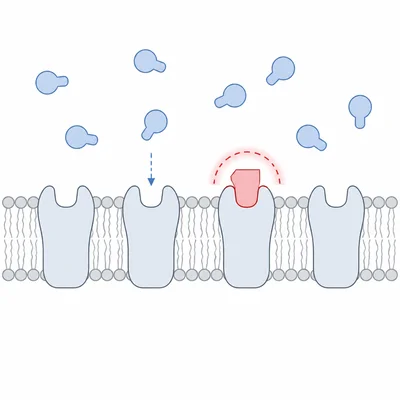
A medication blocks certain neurotransmitter receptors so the neurotransmitter cannot activate them. Is this medication acting as an agonist or an antagonist? Explain.
- 9
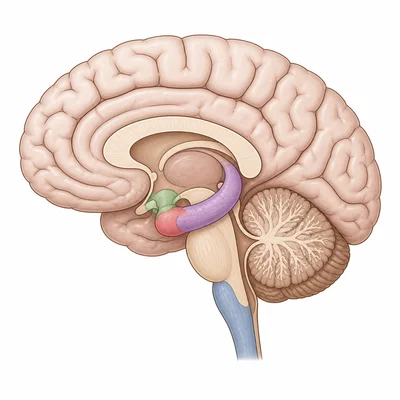
Match each brain structure with its major function: medulla, cerebellum, amygdala, hippocampus, and hypothalamus.
- 10
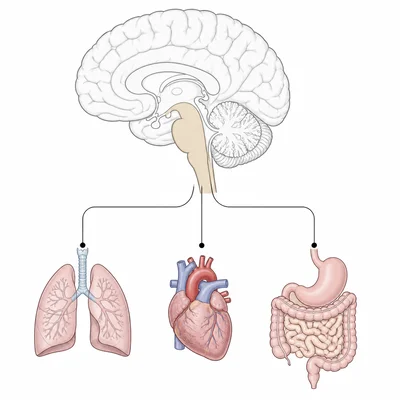
Explain how the brainstem supports survival.
- 11
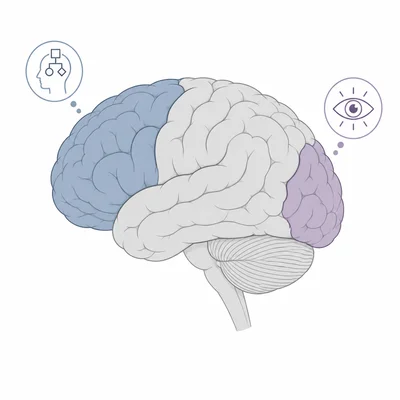
Describe one role of the frontal lobe and one role of the occipital lobe.
- 12
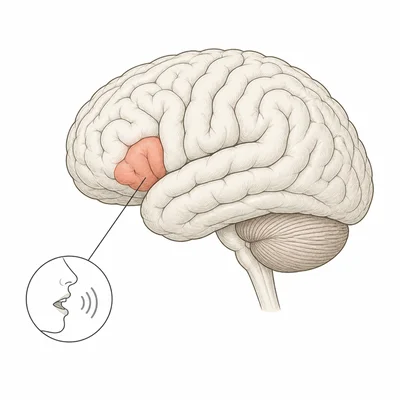
A person has damage to Broca's area. They can understand speech but have difficulty producing fluent speech. Explain what this tells psychologists about localization of function.
- 13
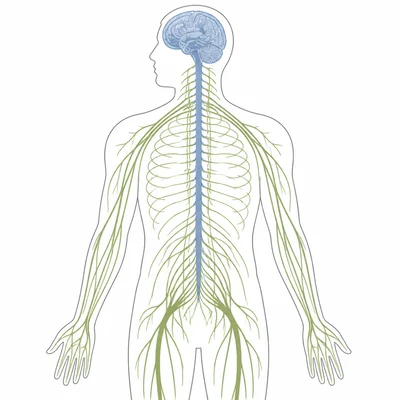
Explain the difference between the central nervous system and the peripheral nervous system.
- 14
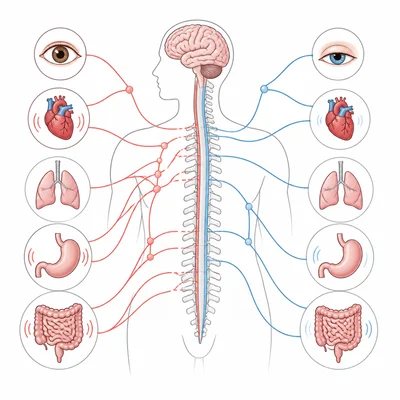
Compare the sympathetic and parasympathetic divisions of the autonomic nervous system.
- 15
A student claims, "Biology determines all behavior, so environment and learning do not matter." Write a short response that uses the biopsychosocial perspective.