Explore major stages of human development, including physical, cognitive, social, and emotional changes across the lifespan.
Read each problem carefully. Use complete sentences and include key psychology terms when helpful.
How people grow and change from prenatal development through late adulthood
Psychology - Grade 9-12
- 1
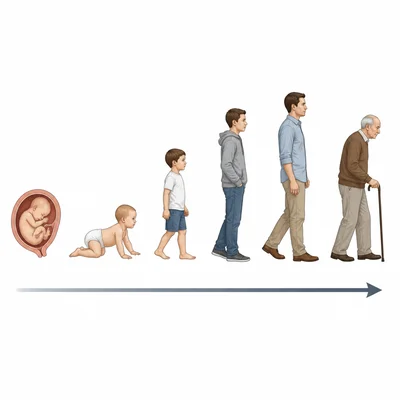
List the major stages of life in order from before birth to late adulthood. Include at least six stages.
- 2
Explain how developmental psychology differs from general psychology.
- 3
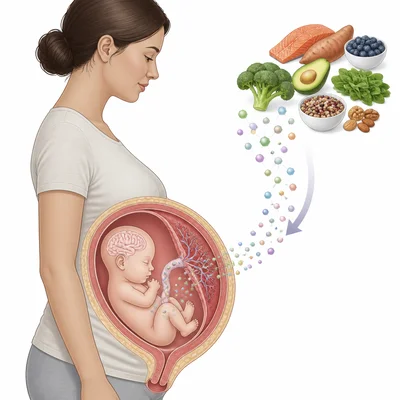
A researcher studies how nutrition during pregnancy may affect later learning. Which stage of development is the researcher focusing on, and why is it important?
- 4
Describe one major physical change and one major cognitive change that usually occur during infancy.
- 5
Piaget described young children as moving through stages of cognitive development. What is one key feature of the preoperational stage?
- 6
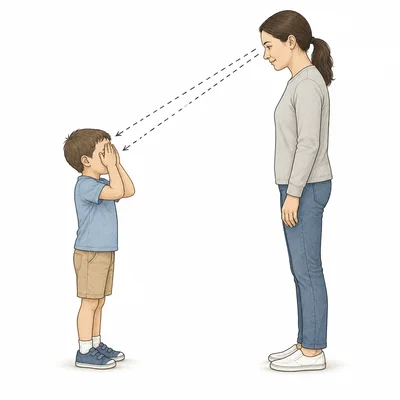
A 5-year-old covers her own eyes and says, "You cannot see me." Which developmental concept does this example best show?
- 7
Erikson proposed psychosocial stages across the lifespan. What is the main conflict of adolescence in Erikson's theory?
- 8
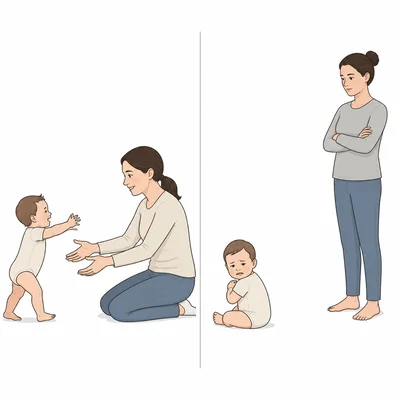
Compare secure attachment with insecure attachment in infancy.
- 9
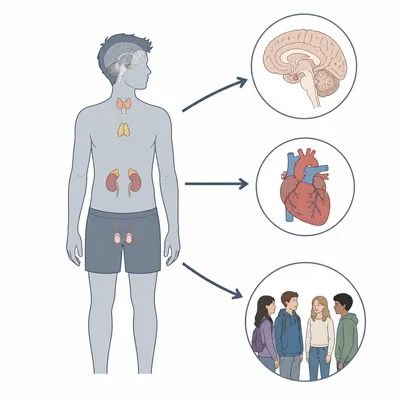
Explain how puberty connects physical development with social and emotional development.
- 10
A high school student says, "My friends' opinions matter more to me than they used to." Explain why peer relationships often become more important during adolescence.
- 11
Distinguish between nature and nurture using one example from human development.
- 12
What is emerging adulthood, and why do some psychologists describe it as a separate stage?
- 13
Give one example of cognitive development that can continue into adulthood.
- 14
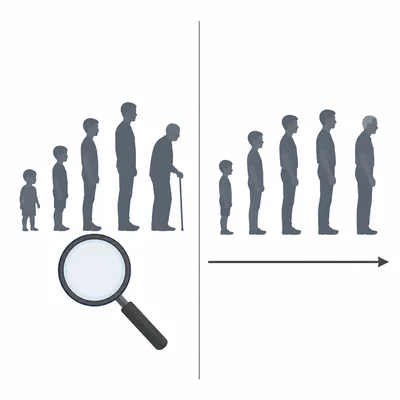
Compare a cross-sectional study with a longitudinal study in developmental psychology.
- 15
A 70-year-old learns a new language app, volunteers weekly, and maintains close friendships. What does this example suggest about development in late adulthood?