Practice identifying classical conditioning, operant conditioning, reinforcement, punishment, and real-world examples of learning.
Read each problem carefully. Use complete sentences and include key psychology terms when possible.
Comparing how people and animals learn through associations and consequences
Psychology - Grade 9-12
- 1
Define classical conditioning in your own words and give one everyday example.
- 2
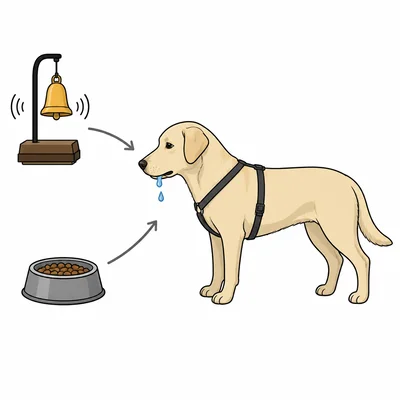
In Pavlov's dog experiment, identify the unconditioned stimulus, unconditioned response, neutral stimulus, conditioned stimulus, and conditioned response.
- 3
A student hears a phone notification sound every time they receive an exciting message. After a few weeks, the sound alone makes the student feel excited. Is this classical conditioning or operant conditioning? Explain.
- 4
Define operant conditioning and give one example from school, sports, or work.
- 5
Label each consequence as positive reinforcement, negative reinforcement, positive punishment, or negative punishment: A teen loses phone privileges after breaking curfew.
- 6
Label each consequence as positive reinforcement, negative reinforcement, positive punishment, or negative punishment: A driver buckles a seat belt to stop the annoying warning beep.
- 7
Label each consequence as positive reinforcement, negative reinforcement, positive punishment, or negative punishment: A teacher gives extra credit points when students turn in homework early.
- 8
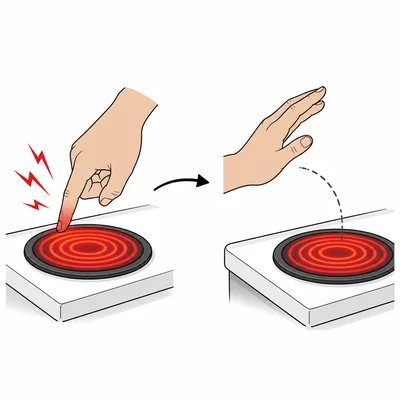
A child touches a hot stove and feels pain, then avoids touching the stove in the future. Explain how learning occurred in this example.
- 9
Compare reinforcement and punishment. Include the effect each one has on future behavior.
- 10
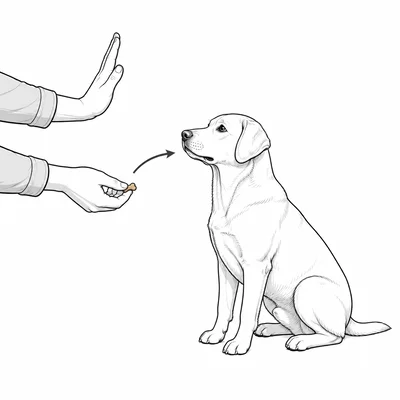
A dog trainer gives a dog a treat every time it sits on command. After many repetitions, the dog sits more often when told to sit. Identify the type of conditioning and the specific consequence.
- 11
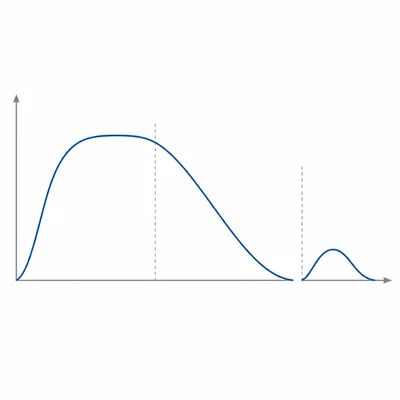
Explain the difference between acquisition, extinction, and spontaneous recovery in classical conditioning.
- 12
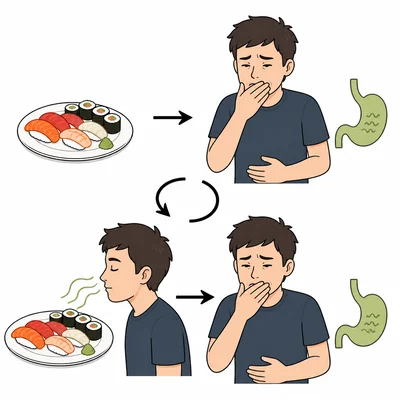
A person gets food poisoning after eating sushi and later feels nauseated just by smelling sushi. Identify the unconditioned stimulus, unconditioned response, conditioned stimulus, and conditioned response.
- 13
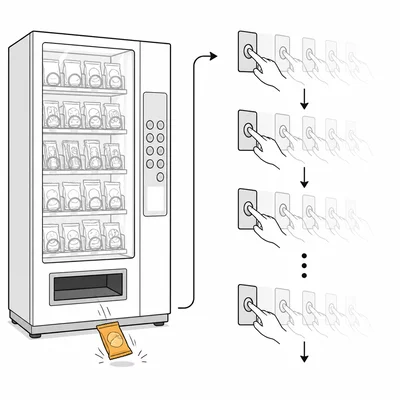
A vending machine gives a snack only after an unpredictable number of button presses because it is malfunctioning. Which reinforcement schedule does this most resemble, and why?
- 14
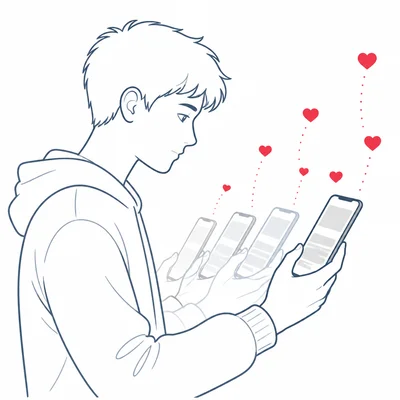
Study the scenario: A student checks their social media many times because likes appear unpredictably after posts. Explain how operant conditioning may help explain this behavior.
- 15
Write one original example that shows classical conditioning and one original example that shows operant conditioning. Clearly label each example.