Practice explaining evolution, variation, adaptation, and natural selection using clear scientific reasoning.
Read each problem carefully. Answer in complete sentences and use evidence from the situation described.
How populations change over time
Biology - Grade 6-8
- 1
Define evolution in your own words.
- 2
Define natural selection in your own words.
- 3
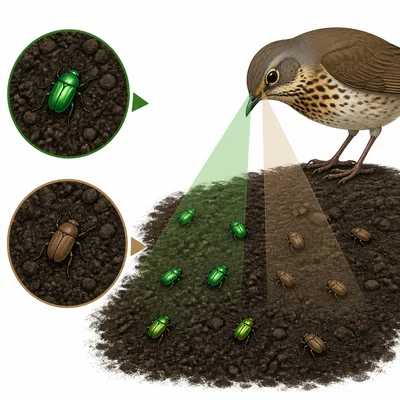
A population of beetles has green and brown individuals. Birds can easily see the green beetles on dark soil. Explain which color beetle is more likely to become common over many generations and why.
- 4
Explain the difference between a learned behavior and an inherited trait. Give one example of each.
- 5
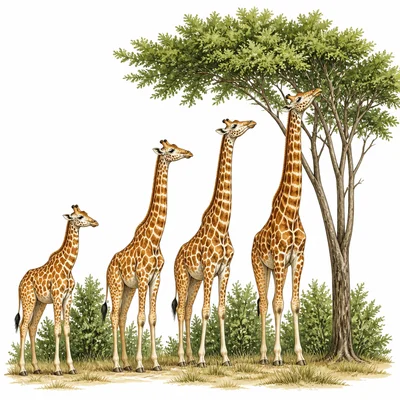
A student says, "Individual giraffes stretched their necks, so they grew longer necks and passed that change to their babies." Explain why this statement does not describe natural selection correctly.
- 6
Why is variation within a population important for natural selection?
- 7
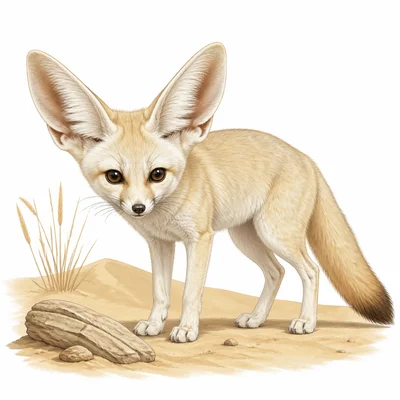
Describe one adaptation that helps a desert animal survive, and explain how it helps.
- 8
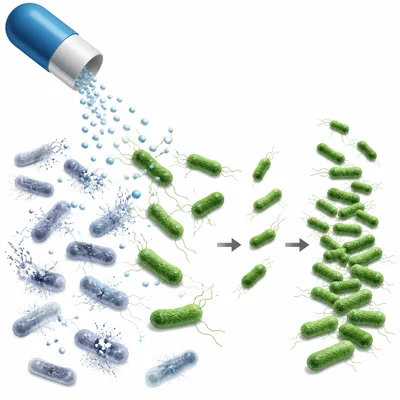
A disease kills many bacteria in a population, but a few bacteria survive because they have resistance to the medicine. Explain what may happen to the bacterial population after several generations.
- 9
What is the difference between an adaptation and a habitat?
- 10
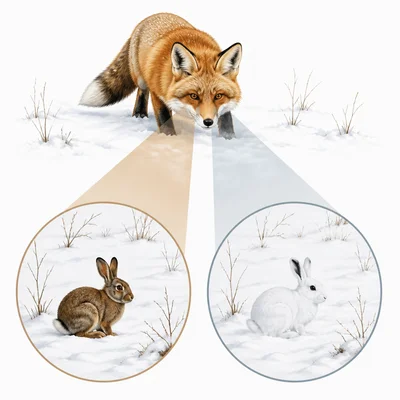
Some rabbits in a snowy area have white fur and some have brown fur. In winter, foxes catch more brown rabbits. Predict how the rabbit population may change over time.
- 11
Explain why natural selection acts on individuals but evolution happens in populations.
- 12
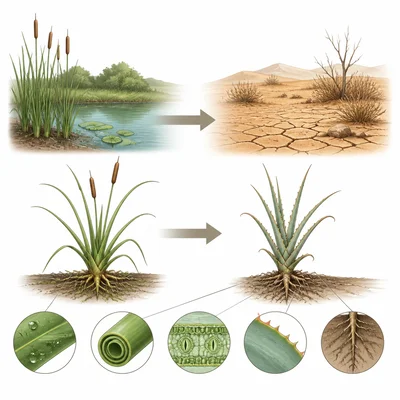
A sudden climate change makes a wet environment much drier. Explain how this environmental change could affect which traits are favored by natural selection.