Practice predicting, observing, and explaining which materials dissolve in water and which do not.
Read each problem carefully. Think like a scientist. Use complete sentences when you explain your answers.
Observe, predict, and explain how materials mix with water
Science - Grade 2-3
- 1
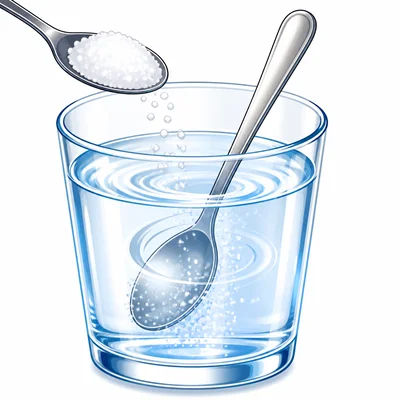
Mia stirs a spoonful of sugar into a cup of water. After a little while, she cannot see the sugar anymore. Did the sugar dissolve? Explain your answer.
- 2
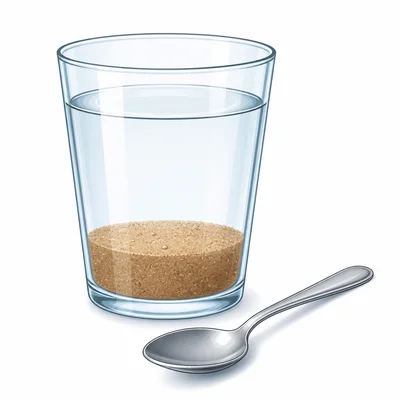
Liam adds sand to a cup of water and stirs. The sand sinks to the bottom. Did the sand dissolve? Explain your answer.
- 3
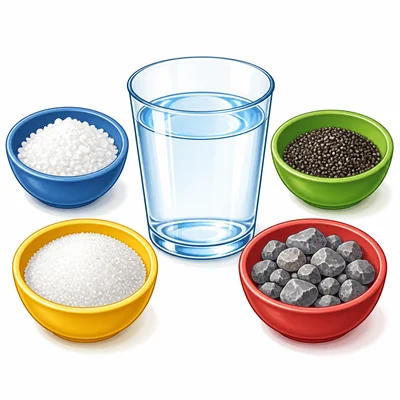
Circle the materials that usually dissolve in water: salt, pepper, sugar, small rocks.
- 4
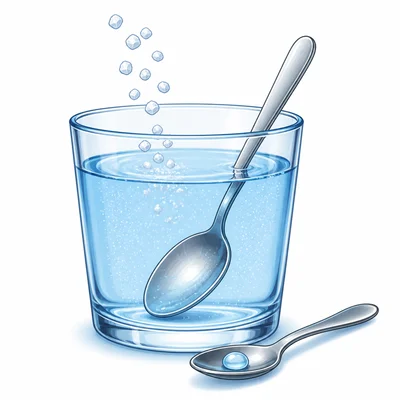
A student mixes salt into water and tastes one tiny drop with permission from the teacher. The water tastes salty. What does this show about the salt?
- 5
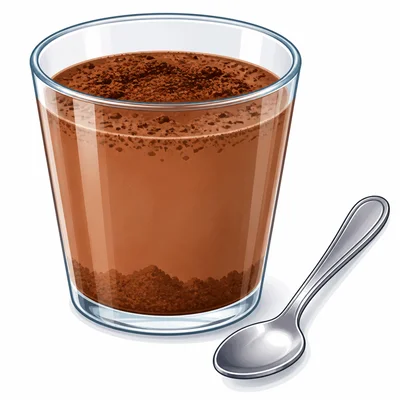
Look at this observation: Cocoa powder made the water brown, but some powder floated on top and some sank. Did all of the cocoa powder dissolve? Explain.
- 6
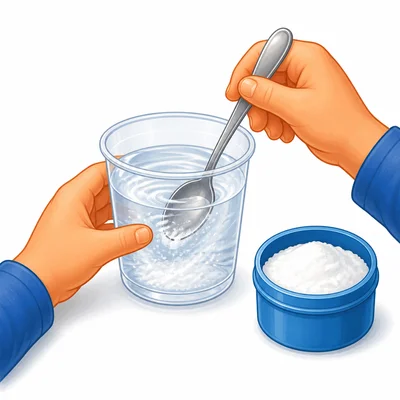
Nora wants to test whether baking soda dissolves in water. What should she do after adding baking soda to the cup?
- 7
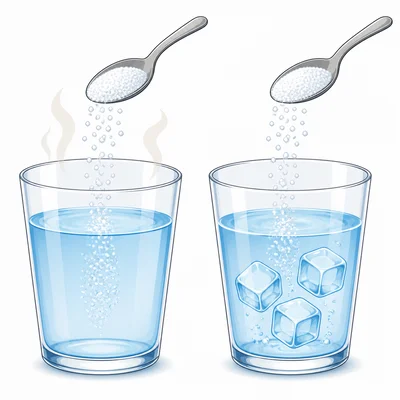
Two cups have the same amount of water. Cup A has warm water, and Cup B has cold water. Sugar is added to both cups. In which cup might the sugar dissolve faster?
- 8
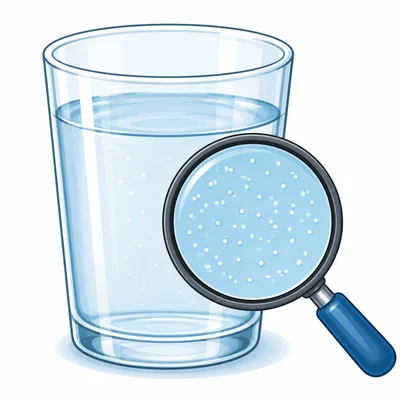
A student says, "The salt disappeared, so it is gone forever." Is the student correct? Explain.
- 9
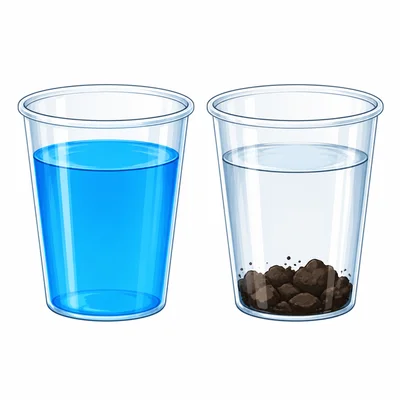
Which observation is stronger evidence that a material dissolved: it changed the water color evenly, or it stayed in clumps at the bottom? Explain.
- 10
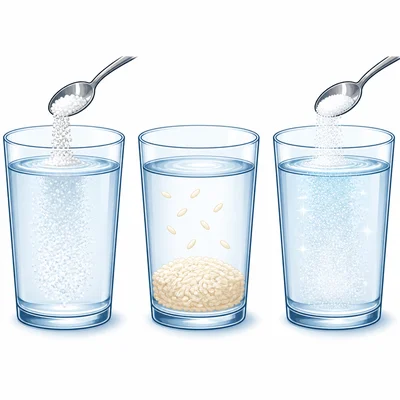
Jada tests three materials in water. Salt disappears, rice sinks, and sugar disappears. Which materials dissolved?
- 11
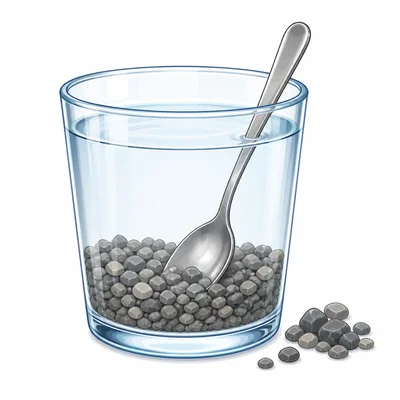
Draw or describe what you might see after stirring gravel in water. Would the gravel dissolve?
- 12
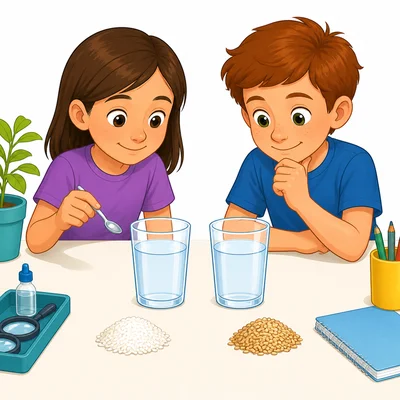
Why is it important to use the same amount of water when comparing how different materials dissolve?
- 13
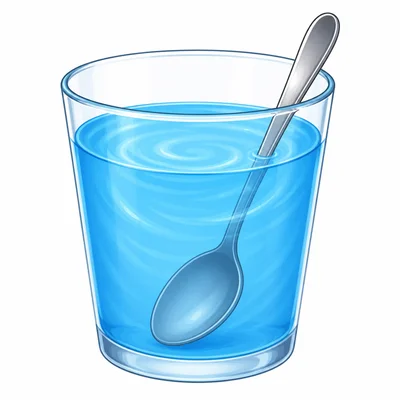
A student mixes blue drink powder into water. After stirring, the whole cup of water is blue with no powder at the bottom. What can the student conclude?
- 14
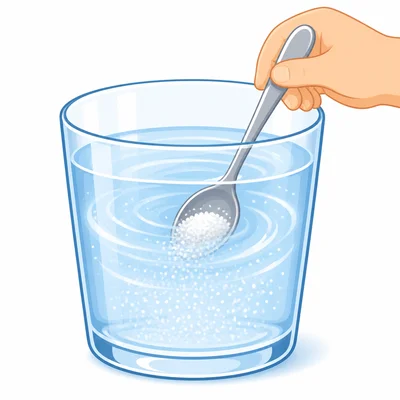
Choose the best science word to complete the sentence: When a solid mixes evenly into water and seems to disappear, it ____. Word choices: freezes, dissolves, floats.
- 15
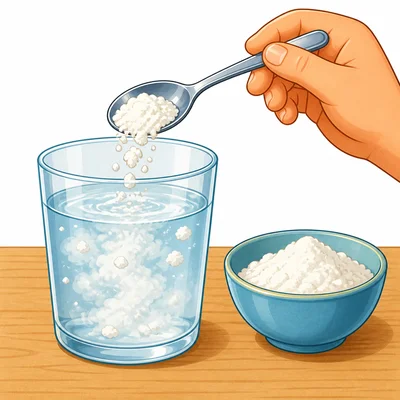
Plan a simple test to find out whether flour dissolves in water. Name one thing you would do and one thing you would observe.