Understanding Circuits for Kids Lab
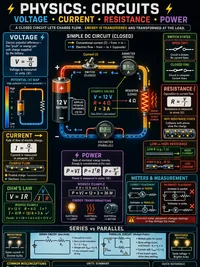
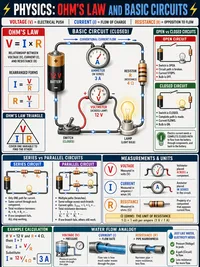
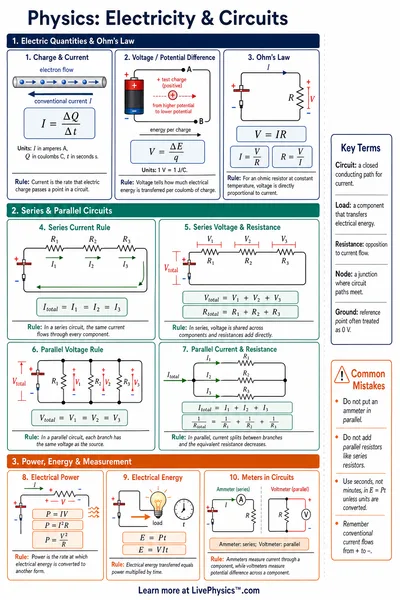
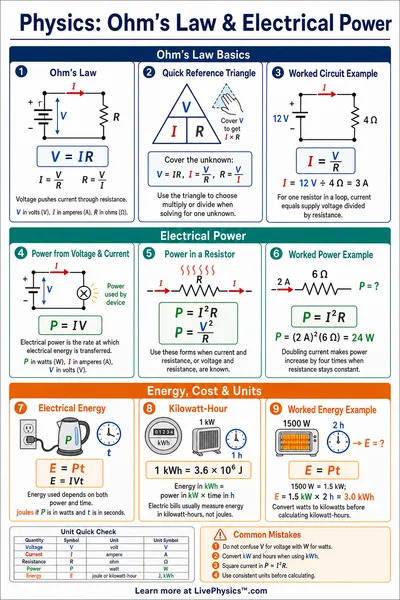
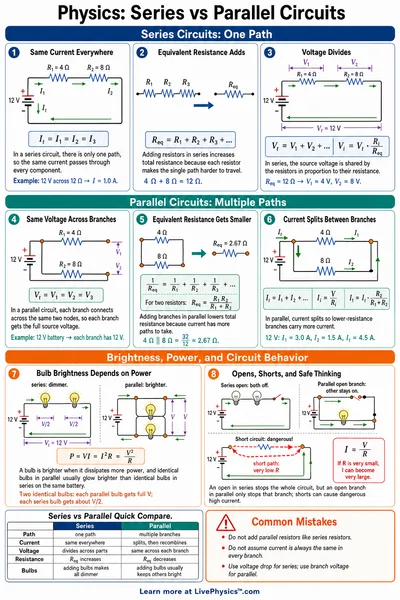
A battery does not contain a supply of moving electricity waiting to escape. It provides energy that pushes tiny charged particles through a complete path of connected parts.
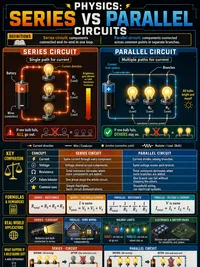
In a simple classroom circuit, the bulb lights only when those particles can travel from one battery terminal, through the wires and bulb, then back to the other terminal. A gap anywhere in that path stops the motion, so the bulb stays off.
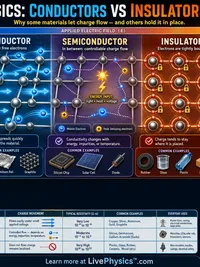
Metals often work well in circuits because some of their electrons are loosely held and can move through the material. Copper is used inside many wires for this reason, while the plastic coating keeps the moving charges on the safer path inside.
Objects made from more than one material can give mixed results. A coin may conduct because of its metal surface, but a painted metal object may fail because paint blocks contact.
A fair test needs good electrical contact. Push each test object firmly against both ends of the gap, and make sure the metal clips touch the object rather than a coating, label, or your fingers.
Keep the same battery, bulb, wires, and setup for every trial. Then the material is the main thing changing, which makes the results more trustworthy.
A bulb that does not light does not always prove that an object is an insulator. The battery may be weak, a wire may be loose, or the bulb may be damaged.
First test the circuit by joining the clips with a known conductor, such as a paper clip. If the bulb lights, the circuit is working and you can be more confident about the next result.
This investigation connects to objects used every day. Phone chargers, lamps, appliances, and wall wiring use metal parts to carry charge where it needs to go, while rubber and plastic coverings reduce the chance of charge reaching a person.
Never test household outlets, mains electricity, or unknown batteries in this kind of activity. Classroom circuits use low-voltage batteries, but they still need careful handling because batteries can become warm if their terminals are connected directly by a wire.