Practice identifying opportunity costs and trade-offs in everyday decisions, business choices, and government spending.
Read each problem carefully. Identify the choice being made, the alternatives, and what is given up. Show your thinking in the space provided.
Understanding choices, scarcity, and what is given up
Social Studies - Grade 6-8
- 1
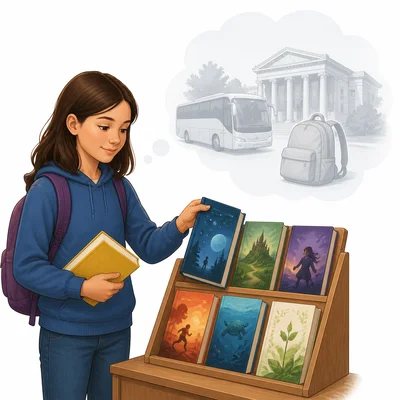
Maya has $20. She can buy a new book or save the money for a school trip. She chooses to buy the book. What is her opportunity cost?
- 2
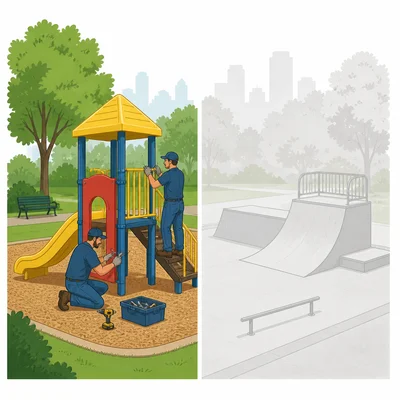
A city has enough money to build either a small skate park or repair playground equipment at one park. The city chooses to repair the playground equipment. Identify one trade-off in this decision.
- 3
Explain the difference between scarcity and opportunity cost using a school example.
- 4

Jordan has two hours after school. He can practice soccer, work on a science project, or play video games. He decides that working on the science project is his best option and soccer practice is his second-best option. What is the opportunity cost of working on the project?
- 5
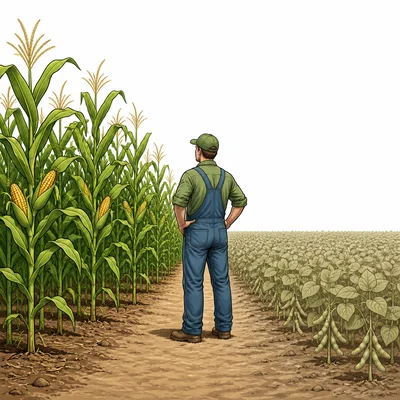
A farmer can use a field to grow corn or soybeans. Corn is expected to earn $8,000, and soybeans are expected to earn $6,500. If the farmer chooses corn, what is the opportunity cost in dollars?
- 6
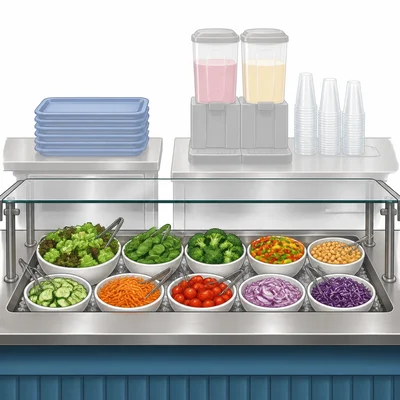
A school cafeteria can add either a salad bar or a smoothie machine, but not both. List one possible benefit and one possible cost of choosing the salad bar.
- 7
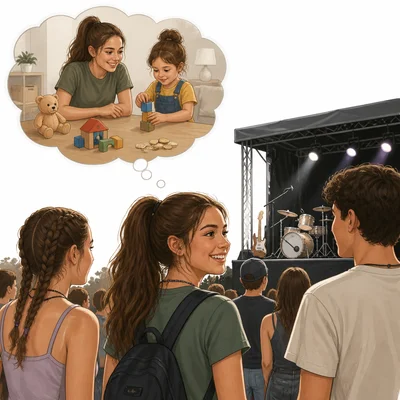
Tanya is deciding whether to spend Saturday earning $45 babysitting or going to a free concert with friends. She chooses the concert. What is the opportunity cost of her choice?
- 8

A business owner has $10,000 to improve a store. She can buy faster checkout machines, redesign the window display, or hire a part-time worker. Explain why she must consider trade-offs.
- 9
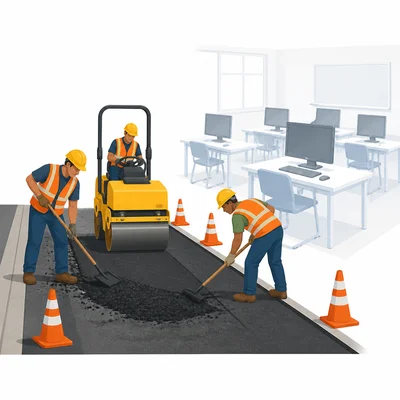
Look at this choice: A state government can spend extra tax money on road repairs or on new computers for public schools. Create a sentence that identifies the opportunity cost if the government chooses road repairs.
- 10
Which choice shows opportunity cost most clearly? A student eats lunch. A student chooses between joining the art club and joining the robotics club. A student walks to class. Explain your answer.
- 11

A family is planning a vacation with a budget of $900. They can choose a beach trip for $900 or a camping trip for $400 and save $500. If they choose the beach trip, what is one trade-off?
- 12
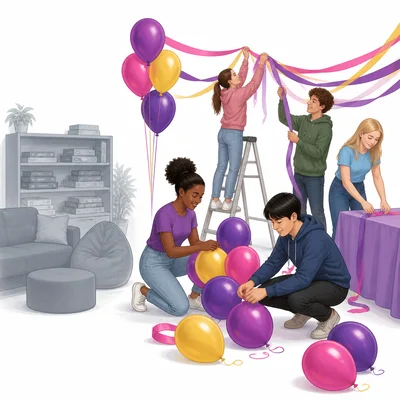
A student council has $300. It can buy decorations for the dance or purchase new board games for the student lounge. The council chooses decorations. Write one sentence explaining the opportunity cost and one sentence explaining a benefit.
- 13
Why do people face opportunity costs even when they are not spending money? Give an example.
- 14
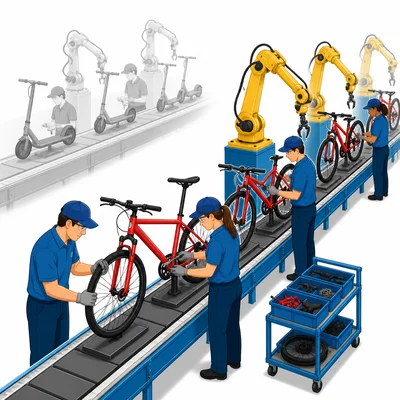
A company can make 1,000 bicycles or 500 scooters in a week using the same workers and machines. If it chooses to make bicycles, what does it give up?
- 15
Write a short paragraph about a real choice you might make this week. Identify the choice, the option you would give up, and whether the trade-off seems worth it.