Understanding Personal Budget Lab
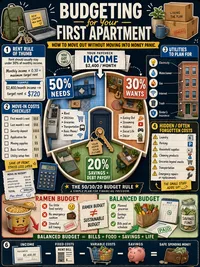
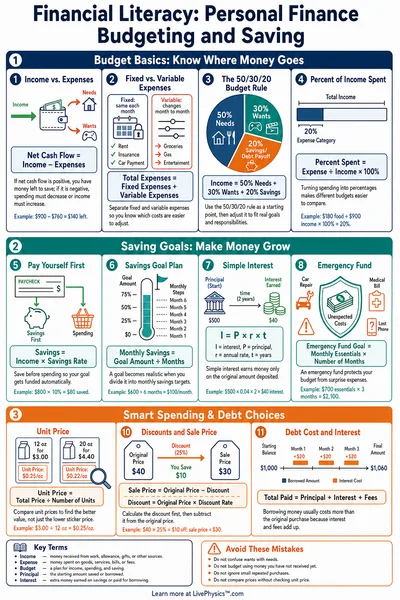
A budget works because every dollar is given a job before it disappears through small purchases. Start with take-home pay, which is the money left after taxes and other deductions. Then list fixed costs such as rent, a phone plan, transport pass, loan payment, or insurance.
These costs are easier to predict because they usually stay similar from month to month. Variable costs, including food, electricity, clothes, entertainment, and gifts, need closer tracking. A realistic plan uses your own recent spending rather than an ideal version of your habits.
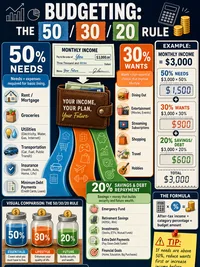
The important calculation is cash flow. Subtract total monthly spending from monthly income. A positive result can build savings or pay down debt, while a negative result means something must change.
Students often miss irregular costs because they do not arrive every month. School supplies, birthdays, medical visits, annual subscriptions, repairs, and travel can create sudden gaps.
One useful method is to estimate the yearly cost of an irregular item, then divide it by twelve. Setting aside that smaller amount each month makes the later bill less disruptive.
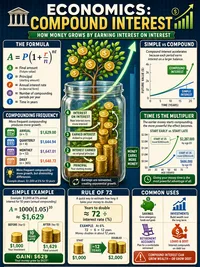
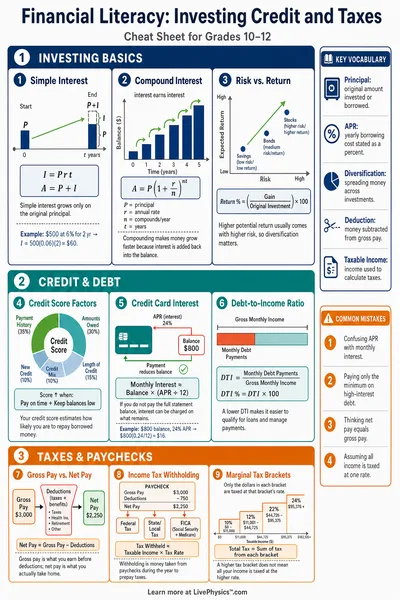
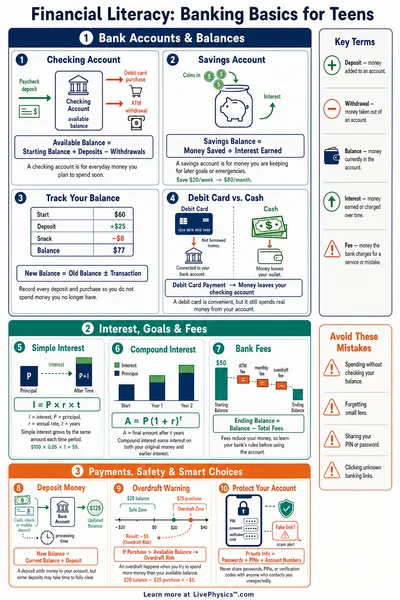
Savings growth depends on time, deposits, and the interest rate. Interest is money paid by a bank for keeping money in an account. With compound interest, later interest is calculated using the original savings plus interest already earned.
This means growth starts slowly, then becomes more noticeable as the balance rises. Regular deposits matter greatly because each deposit gets its own time to earn interest. When comparing accounts, pay attention to whether the quoted rate is annual, how often interest is added, minimum balance rules, fees, and limits on withdrawals.
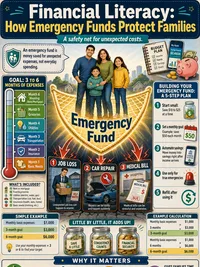
An emergency fund is not meant for planned shopping or ordinary treats. It is money reserved for events that interrupt normal income or create urgent costs, such as a broken laptop needed for school, a family medical bill, or reduced work hours. The right target depends on how stable a person's income is and how many necessary bills they must cover.
Keeping emergency money separate from spending money can reduce the temptation to use it casually. It should be easy to access, but not exposed to large losses from risky investments.
What-if testing shows whether a budget is resilient rather than merely balanced in one good month. Change one condition at a time, such as lowering income, increasing rent, adding a repair, or raising savings contributions. Watch which categories can shrink safely and which cannot.
Needs are expenses that protect housing, food, health, basic transport, or required payments. Wants are more flexible, though some choices may feel important socially. This distinction helps people make decisions under pressure without pretending every expense is equally urgent.
Budgets are useful in real life because they turn choices into visible tradeoffs. Choosing a more expensive phone plan may mean slower progress toward a trip, course fee, vehicle, or future move. A budget does not require perfect predictions.
It needs regular updates when income, prices, or priorities change. Review actual spending at the end of each month and compare it with the plan.
Treat differences as information, not failure. The goal is to notice patterns early, make small adjustments, and keep control of money before a crisis forces the decision.