Unit Price Comparison Tool
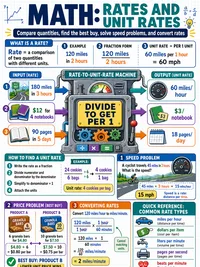
Find out which product gives you the most for your money. Enter the price and quantity of two products and the tool calculates the cost per unit for each, then shows you the best buy.
Try a real-world example
Cost per oz comparison
You save $0.0136 per oz by choosing Product B (Brand B Cereal).
Reference Guide
What is Unit Price?
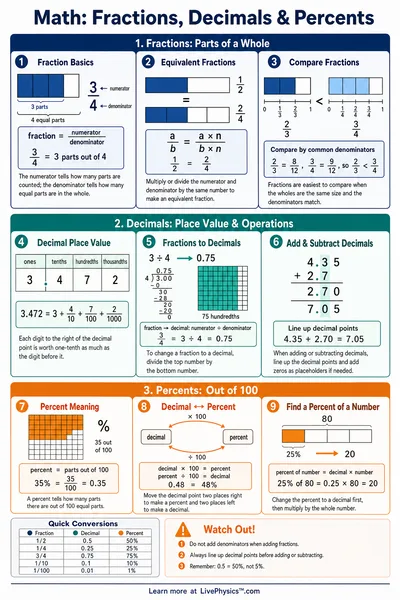
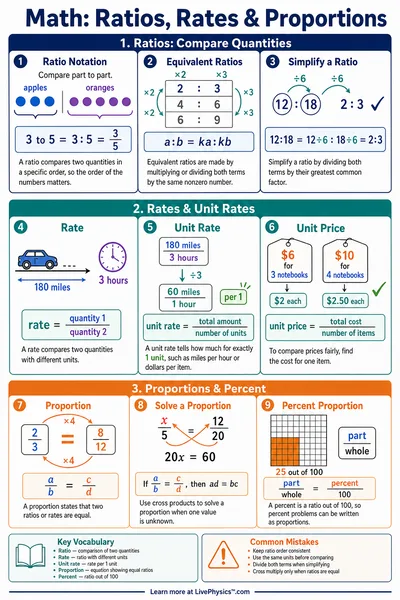
Unit price tells you how much one single unit of a product costs. It lets you compare products of different sizes on equal terms.
For example, a box of cereal that costs $4.99 and contains 18 oz has a unit price of about $0.28 per oz.
How to Compare Products
- Find the total price on the label or shelf tag.
- Find the quantity (weight, volume, or count).
- Divide price by quantity for each product.
- The lower unit price is the better value.
Most grocery stores print the unit price directly on the shelf label, but knowing how to calculate it yourself helps you check and understand the math.
When Bigger Is Not Always Cheaper
The larger size usually has a lower unit price, but not always. Premium brands, specialty items, or promotional smaller sizes can sometimes beat the bulk option.
Watch for these situations where the smaller package wins on unit price.
- Store sales on small sizes only
- Coupons that apply to one size
- Store-brand small vs name-brand large
- Perishable items you may not finish
Units of Measurement
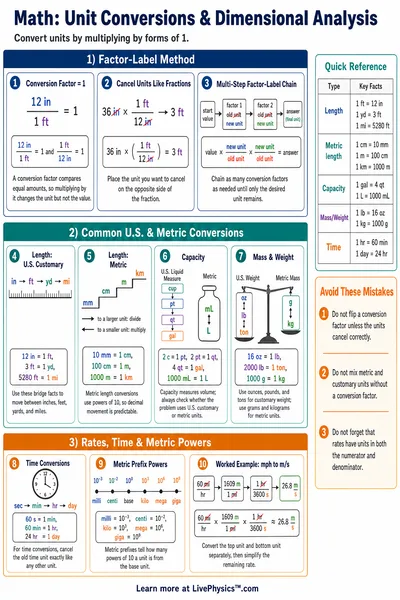
Unit prices only compare fairly when both products use the same unit. Common units for groceries include
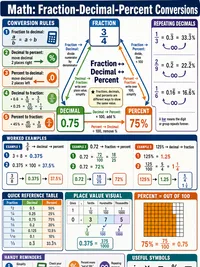
If two products use different units (oz vs g), convert to the same unit before comparing.