Explore how animals use sounds, sights, chemicals, touch, and behavior to communicate with others and survive in their environments.
Read each problem carefully. Use complete sentences when explaining your thinking. Show your work in the space provided.
How animals send, receive, and respond to information
Biology - Grade 6-8
- 1
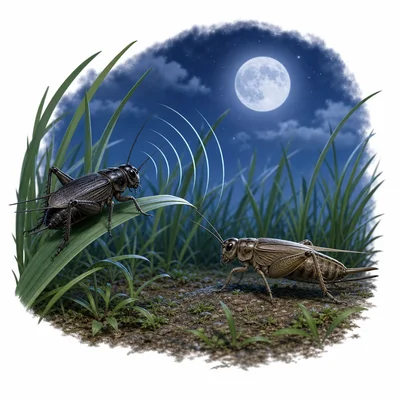
A male cricket chirps loudly at night. A female cricket of the same species moves toward the sound. What is the signal, what is the receiver, and what is the likely message?
- 2
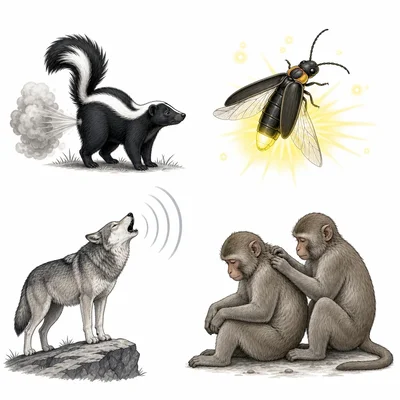
Classify each example as visual, chemical, sound, or touch communication: a skunk sprays a strong odor, a firefly flashes its light, a wolf howls, and monkeys groom each other.
- 3
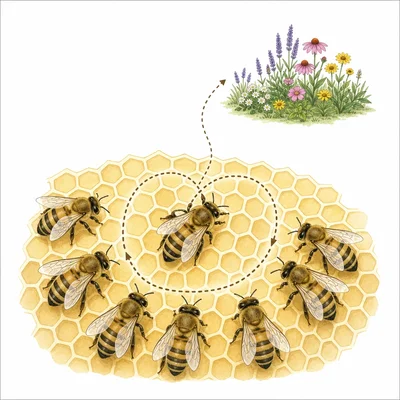
Honeybees perform a waggle dance to show other bees where food is located. Explain why this behavior is an example of communication.
- 4

Some moths release pheromones to attract mates from far away. What are pheromones, and why can they be useful for animals that are active at night?
- 5
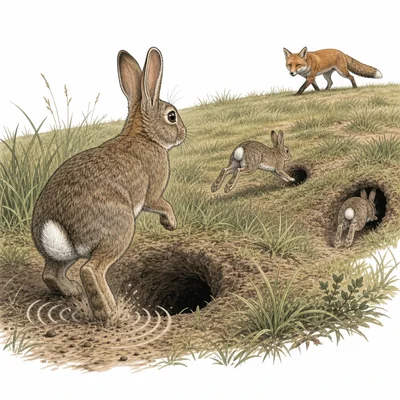
A rabbit thumps its back foot on the ground when it sees a fox. Other rabbits nearby run to their burrows. What is the function of the rabbit's thumping signal?
- 6
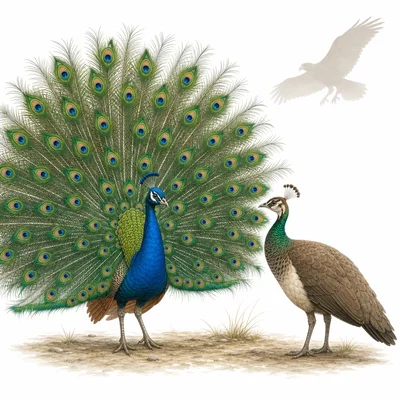
A male peacock spreads its bright tail feathers when a female is nearby. What type of signal is this, and what is one possible cost of using this signal?
- 7

Dolphins use clicks and whistles underwater. Why might sound be an effective form of communication in the ocean?
- 8
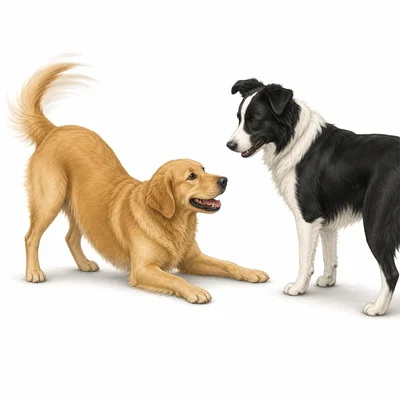
Two dogs meet. One dog lowers its body, wags its tail loosely, and bows with its front legs. What message is the dog likely sending, and what evidence supports your answer?
- 9
Explain the difference between a signal and a response in animal communication. Use an example in your answer.
- 10
Some birds sing mostly during breeding season. Give two reasons a bird song might help the bird reproduce.
- 11
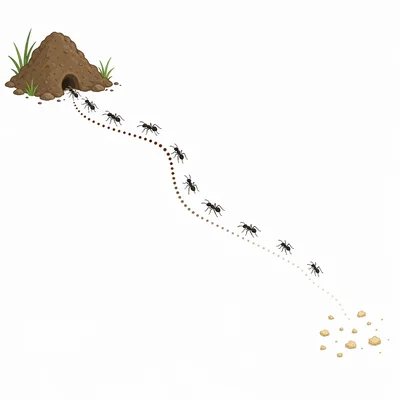
Ants often leave scent trails between a food source and the nest. If the food is removed, the trail slowly disappears. Predict what will happen to the number of ants following the trail over time, and explain why.
- 12
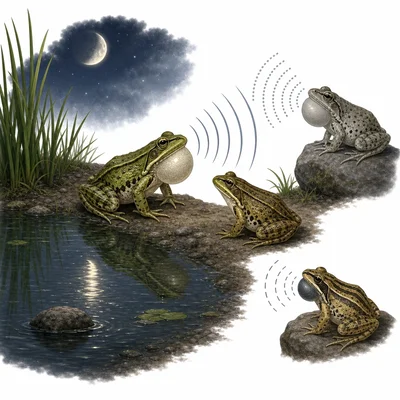
A frog species has a unique call that helps females find males of the same species. Why is it important that the call is different from the calls of other frog species?
- 13
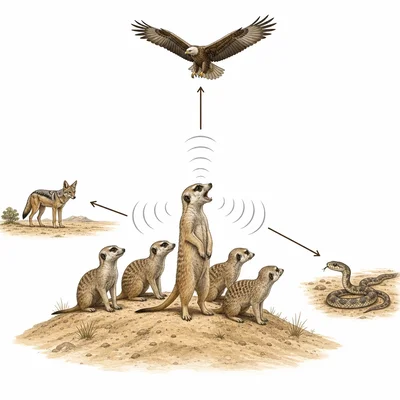
A scientist observes meerkats giving different alarm calls for eagles, snakes, and jackals. Why might having different alarm calls be more useful than having only one general alarm call?
- 14
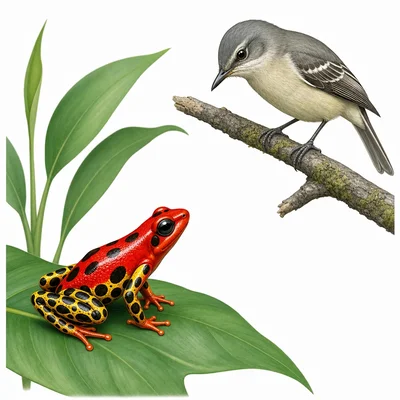
Some animals use warning colors, such as bright red, yellow, or orange, to show predators that they are poisonous or bad-tasting. Is this communication? Explain your answer.
- 15
Choose one animal communication signal and explain how natural selection could favor animals that use or understand that signal well.