Practice analyzing AI bias and fairness through case studies involving data, model decisions, evaluation metrics, and responsible design choices.
Read each case study carefully. Explain your reasoning, use evidence from the scenario, and show calculations when needed.
Analyzing real-world impacts of bias, fairness, and accountability in AI systems
Computer Science - Grade 9-12
- 1
A school uses an AI tool to flag students who may need academic support. The tool was trained mostly on data from large suburban schools, but it is now used in rural, urban, and online schools. Identify two possible fairness concerns and explain why they matter.
- 2
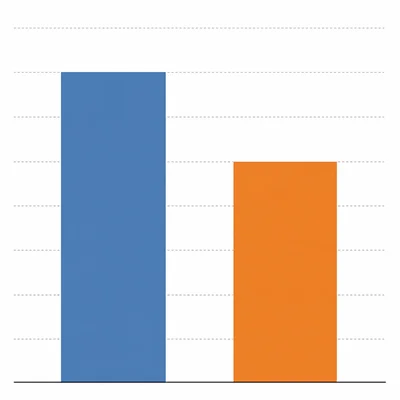
A hiring algorithm recommends applicants for interviews. In a test set, 80 out of 100 qualified Group A applicants are recommended, while 60 out of 100 qualified Group B applicants are recommended. Calculate the true positive rate for each group and explain what the difference suggests.
- 3
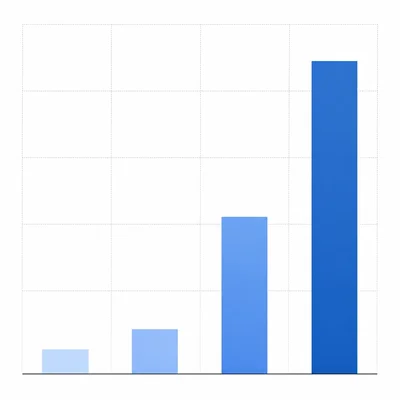
A facial recognition system is tested on four groups. The error rates are: Group 1, 1 percent; Group 2, 3 percent; Group 3, 12 percent; Group 4, 18 percent. What fairness issue does this reveal, and what should developers investigate next?
- 4
A bank uses an AI model to approve loans. The model does not use race as an input, but it uses ZIP code, income, school attended, and employment history. Explain how bias could still enter the system.
- 5
A hospital AI predicts which patients should receive extra care coordination. The model uses past health-care spending as a measure of need. Explain why this choice could create bias.
- 6
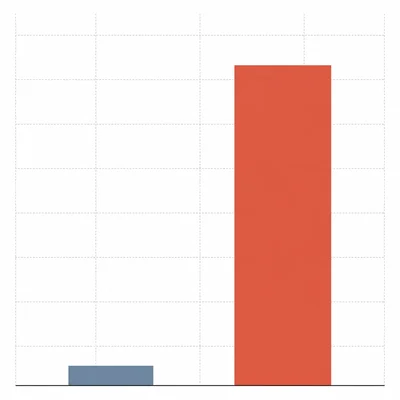
In a content moderation system, posts written in Standard English are incorrectly removed 2 percent of the time, while posts written in a dialect are incorrectly removed 14 percent of the time. Identify the type of error being described and explain why it is harmful.
- 7
A city uses an AI system to decide where to send more police patrols. The training data comes from historical arrest records. Explain one reason this data may be biased and one possible consequence.
- 8
A company tests two speech recognition models. Model X has an overall word error rate of 8 percent. Model Y has an overall word error rate of 10 percent. However, Model X has much higher errors for speakers with certain accents. Which model might be fairer, and what additional information is needed?
- 9
An AI resume screener was trained on resumes from employees who were hired over the past 15 years. Most past hires were men. The system begins ranking resumes with women's colleges or women-focused organizations lower. Explain what likely happened.
- 10
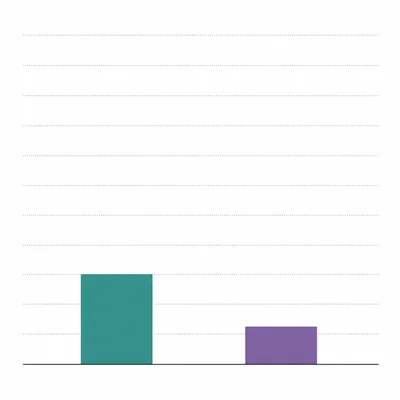
A fairness audit compares approval rates for a scholarship AI. Group A has 50 approvals out of 200 applicants. Group B has 30 approvals out of 200 applicants. Calculate the approval rate for each group and state whether the results raise a fairness concern.
- 11
A developer says, "Our AI is fair because the code treats every user the same way." Explain why this claim is incomplete.
- 12
A photo-tagging AI labels pictures of adults in business clothing as "manager" more often for men than for women, even when the images are similar. Name one possible source of the bias and one way to reduce it.
- 13
An AI system for college admissions uses extracurricular activities as one input. Explain how this could disadvantage some applicants, even if the model is accurate on past data.
- 14
A team wants to improve fairness in an AI model. List three actions they could take before releasing the model to the public.
- 15
A judge is given a risk score from an AI tool that predicts whether a defendant might miss a court date. The tool's explanation only says "high risk" without showing important factors or confidence. Explain two reasons this lack of transparency is a problem.