Practice key ideas about biodiversity, including its levels, importance, threats, and conservation strategies.
Read each problem carefully. Use complete sentences when explaining your reasoning. Show calculations where needed.
Exploring species, genetic, and ecosystem diversity
Environmental Science - Grade 9-12
- 1
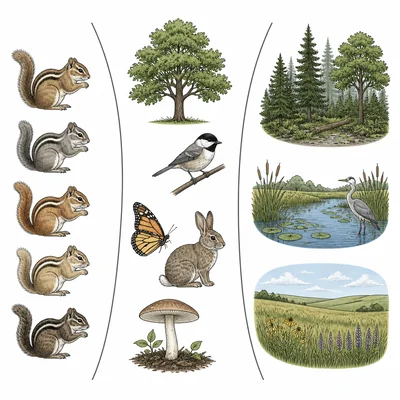
Define biodiversity and identify its three major levels.
- 2
A forest contains 12 species of trees, 35 species of insects, 8 species of mammals, and 20 species of birds. What is the species richness of the forest based on these groups? Explain what species richness measures.
- 3
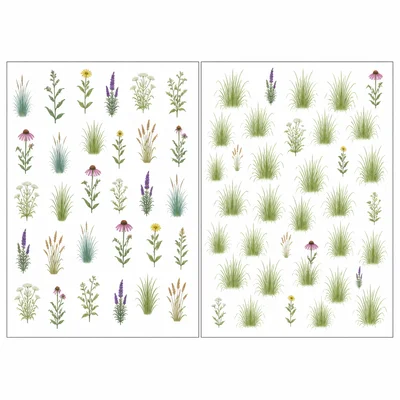
Two grasslands each contain 10 plant species. In Grassland A, all 10 species have similar numbers of individuals. In Grassland B, one species makes up 90 percent of all plants. Which grassland has greater species evenness, and why?
- 4
Explain how high genetic diversity can help a population survive an environmental change, such as a new disease or drought.
- 5
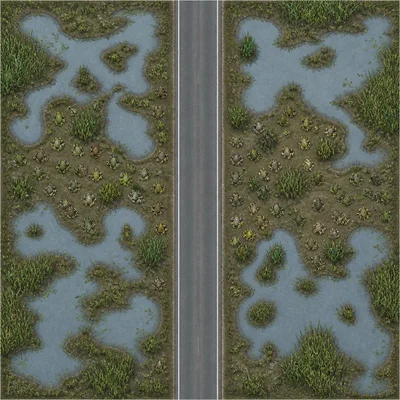
A population of 200 frogs lives in a wetland. A road is built through the wetland, dividing the population into two smaller groups that rarely interbreed. Describe one possible effect of this habitat fragmentation on the frogs' genetic diversity.
- 6
List three ecosystem services that biodiversity can support, and briefly describe one of them.
- 7
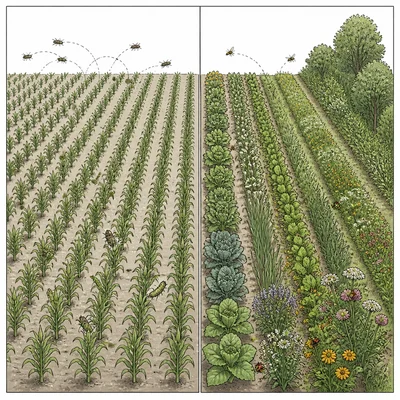
A farmer grows only one crop variety across a large field. Explain why this monoculture may be more vulnerable to pests or disease than a diverse farm system.
- 8
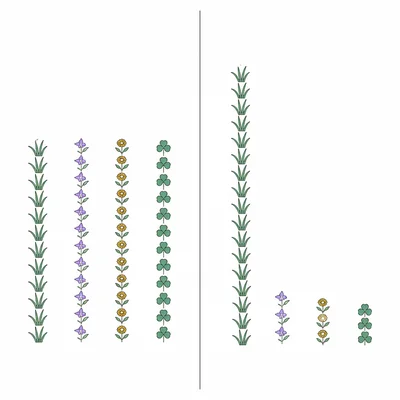
Use the data table: Site A has 4 species with counts 25, 25, 25, and 25. Site B has 4 species with counts 70, 10, 10, and 10. Both sites have the same species richness. Which site has higher biodiversity overall, and why?
- 9
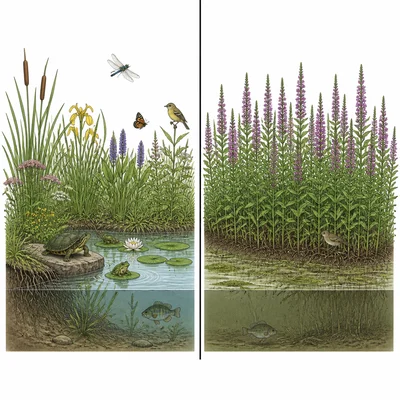
Describe how an invasive species can reduce biodiversity in a local ecosystem.
- 10
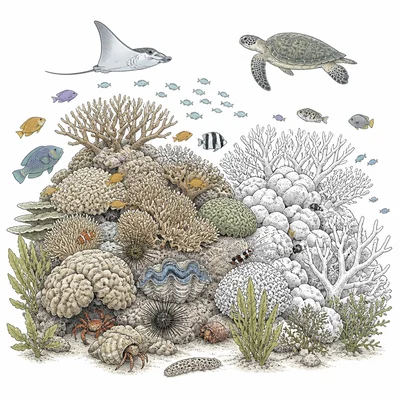
Coral reefs support many species but are threatened by warming oceans and pollution. Explain why the loss of coral reefs would affect more than just coral species.
- 11
A conservation group wants to protect a rare plant species. The plant grows only in one valley and has low genetic diversity. Give two reasons this species may be at high risk of extinction.
- 12
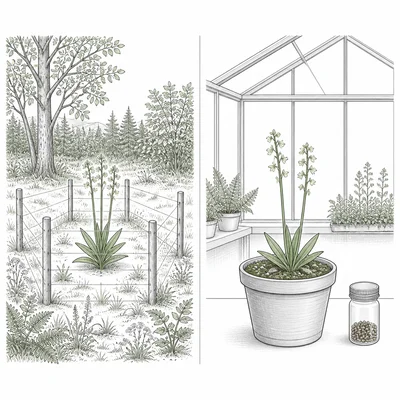
Explain the difference between in situ conservation and ex situ conservation. Give one example of each.
- 13
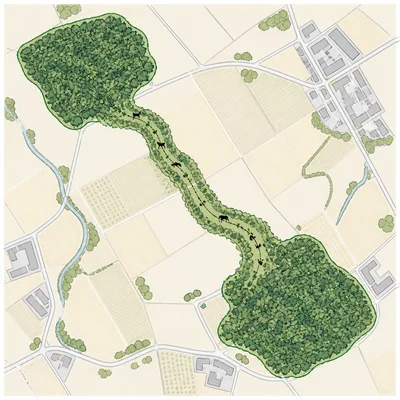
A map shows that a proposed wildlife corridor would connect two protected forest areas. Explain how this corridor could help maintain biodiversity.
- 14
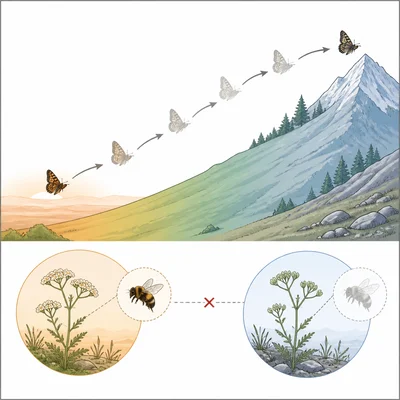
Climate change can shift temperature and rainfall patterns. Describe one way this can affect species distributions and one way it can affect ecosystem interactions.
- 15
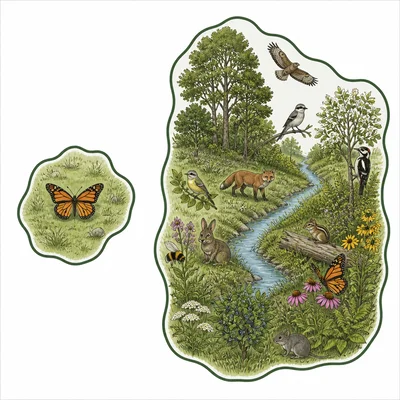
You are comparing two conservation plans. Plan 1 protects a small area with one endangered species. Plan 2 protects a larger habitat that contains many native species, including pollinators, predators, and plants. Explain why Plan 2 might provide broader biodiversity benefits, while still recognizing why Plan 1 could be important.