Practice explaining how nitrogen and phosphorus move through ecosystems, how humans affect these cycles, and how nutrient pollution can change land and water systems.
Read each problem carefully. Use complete sentences and include key vocabulary when appropriate. Show your reasoning in the space provided.
How essential nutrients move through ecosystems
Environmental Science - Grade 9-12
- 1
Explain why nitrogen is essential for living organisms, even though most organisms cannot use nitrogen gas directly from the atmosphere.
- 2
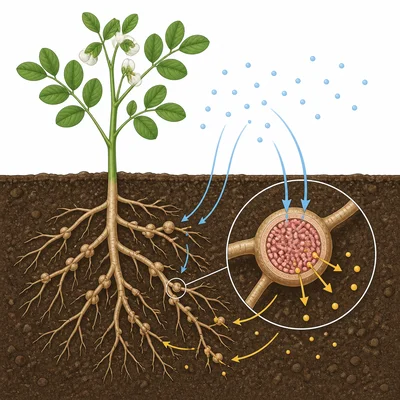
Describe the role of nitrogen-fixing bacteria in the nitrogen cycle.
- 3
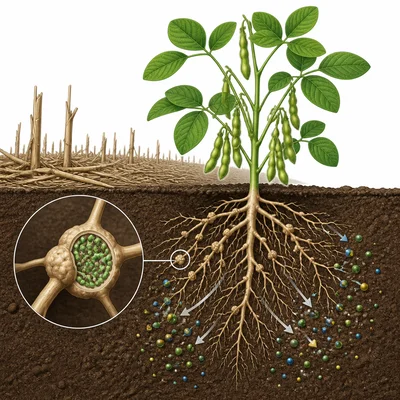
A farmer plants soybeans in a field after several years of growing corn. Explain how soybeans can help add usable nitrogen to the soil.
- 4
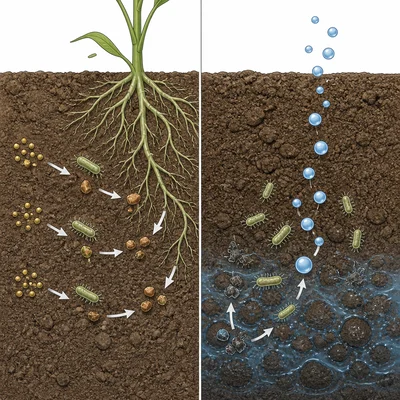
Compare nitrification and denitrification. Include what happens to nitrogen in each process.
- 5
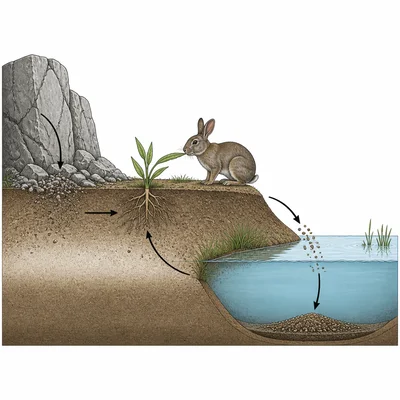
Explain why phosphorus does not have a major atmospheric stage like nitrogen does.
- 6
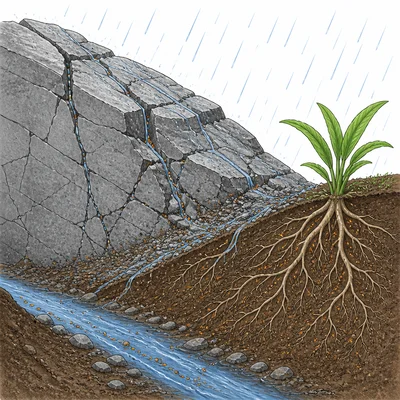
Describe how weathering of rocks contributes to the phosphorus cycle.
- 7
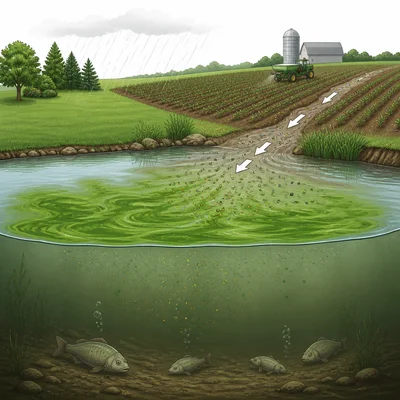
A lake receives runoff from nearby lawns and farms after a heavy rainstorm. The water contains high levels of nitrate and phosphate. Predict what may happen in the lake and explain why.
- 8
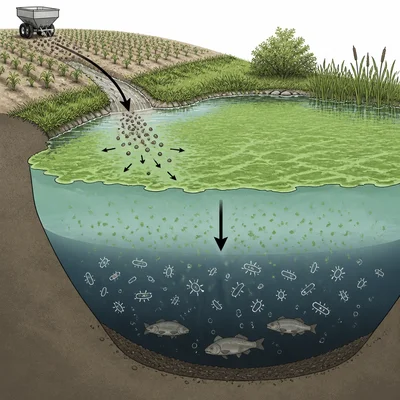
Define eutrophication and identify one human activity that can cause it.
- 9
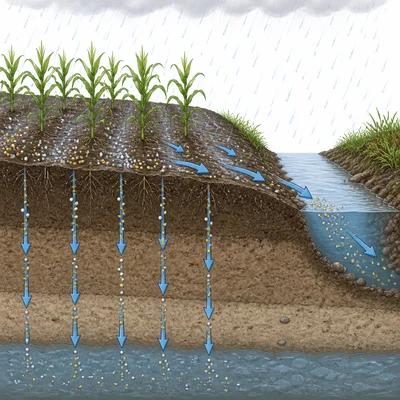
In an agricultural field, fertilizer is applied before a long period of heavy rain. Explain one way nitrogen from the fertilizer can be lost from the field and one environmental problem this can cause.
- 10
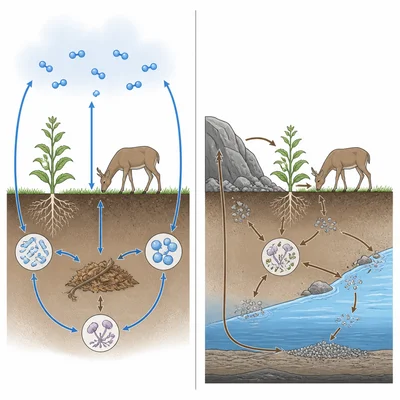
Compare the movement of nitrogen and phosphorus through ecosystems. Give one similarity and one difference.
- 11
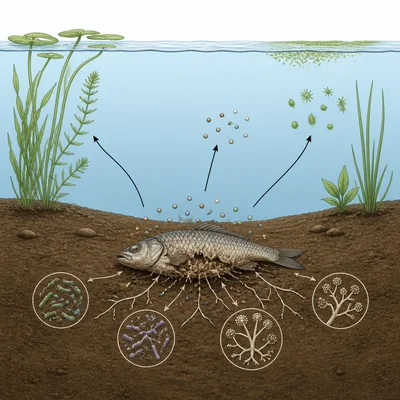
A dead fish sinks to the bottom of a pond. Explain how decomposers help return nitrogen and phosphorus from the fish to the ecosystem.
- 12
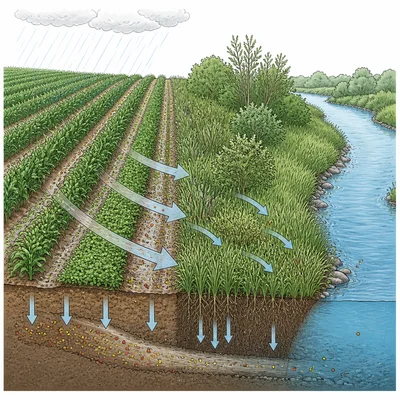
Suggest two practices that can reduce nitrogen and phosphorus pollution from farms, and explain how each practice helps.