Practice explaining inflation, comparing prices over time, and calculating how purchasing power changes when prices rise.
Read each problem carefully. Show your work in the space provided, including any calculations.
Understanding how prices change and money buys less over time
Financial Literacy - Grade 6-8
- 1
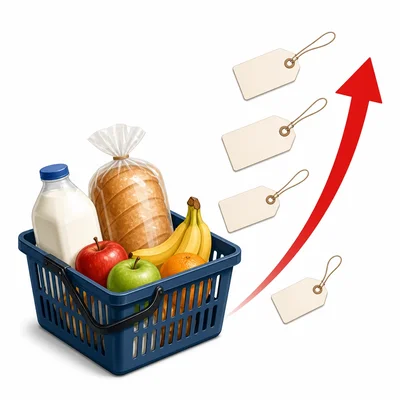
In your own words, explain what inflation means. Include one example of a price that might rise because of inflation.
- 2
A movie ticket cost $8 last year. This year it costs $10. How much did the price increase in dollars?
- 3
A backpack cost $40 in August. By December, the price rose to $44. What was the percent increase in price?
- 4
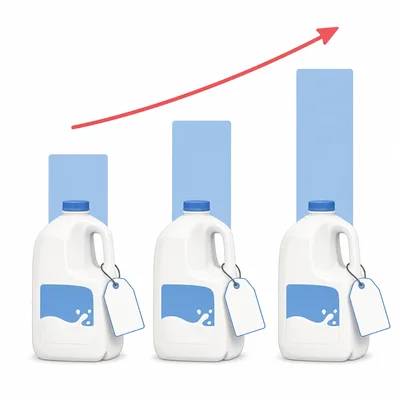
Look at the price list: 2020: milk costs $3 per gallon, 2021: milk costs $3.30 per gallon, 2022: milk costs $3.60 per gallon. Describe the pattern in the price of milk.
- 5
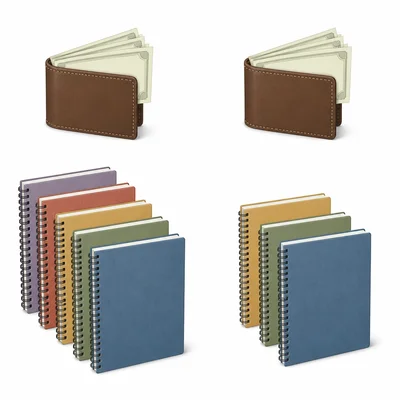
Maya has $20 to spend on school supplies. Last year, notebooks cost $2 each, so she could buy 10 notebooks. This year, notebooks cost $2.50 each. How many notebooks can she buy this year with $20?
- 6
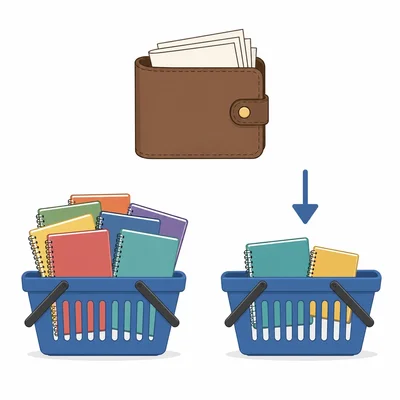
Explain how the notebook problem shows a decrease in purchasing power.
- 7
A lunch meal costs $6. The price increases by 5%. What is the new price of the lunch meal?
- 8
A video game costs $50. During a year of inflation, the price rises by 8%. How much money is added to the price?
- 9

Use the chart: A pair of shoes cost $60 in 2021, $66 in 2022, and $72 in 2023. In which year was the price highest?
- 10
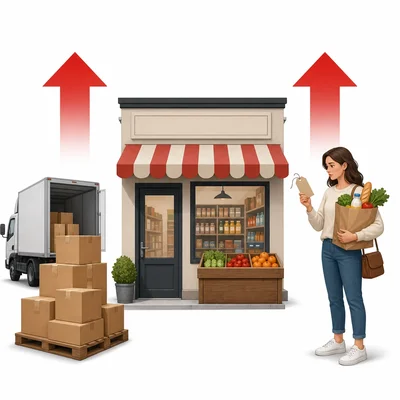
A store owner says, "Our prices went up because our delivery costs and materials cost more." Is this an example of inflation affecting a business, a consumer, or both? Explain.
- 11
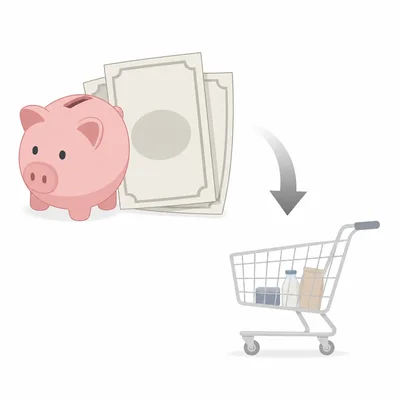
Jordan saved $100. If inflation is 4% for the year, about how much buying power would Jordan lose if the money does not earn interest?
- 12
A cereal box was $4 last year and is $5 this year. A snack bag was $2 last year and is $2.20 this year. Which item had the larger percent increase?
- 13

The table shows average monthly bus pass prices: Year 1: $30, Year 2: $33, Year 3: $36. If the pattern continues, what would the price be in Year 4?
- 14
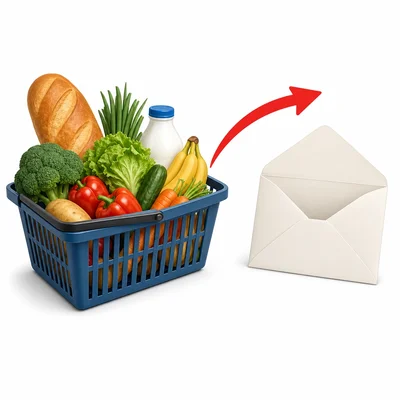
A family budget includes $300 for groceries each month. Grocery prices rise by 10%. How much would the family need to budget to buy the same amount of groceries?
- 15
Write two smart choices a person could make when prices are rising because of inflation.