Practice interpreting credit score factors, comparing borrowing options, calculating basic credit costs, and making responsible decisions about debt.
Read each problem carefully. Show calculations when needed, and explain your reasoning in complete sentences.
Understanding credit scores, credit reports, and smart borrowing choices
Financial Literacy - Grade 9-12
- 1
Explain what a credit score is and name two ways a lender might use it when deciding whether to approve a loan.
- 2
A student has paid every bill on time for two years but recently missed one credit card payment by 45 days. Explain how this late payment could affect the student's credit score.
- 3
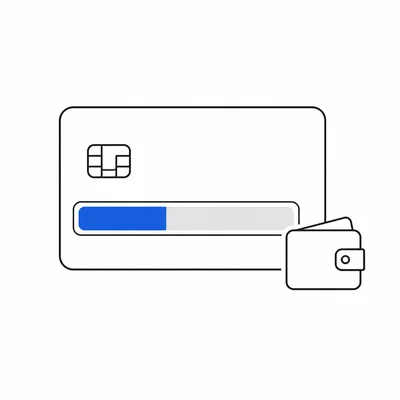
Maya has a credit card with a $1,000 limit. Her current balance is $300. Calculate her credit utilization rate and explain whether it is generally considered low or high.
- 4
Two borrowers apply for the same auto loan. Borrower A has a credit score of 780, and Borrower B has a credit score of 610. If all other factors are the same, which borrower is more likely to receive a lower interest rate, and why?
- 5
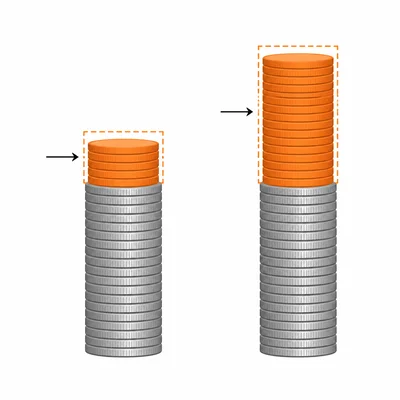
A bank offers Jordan a $2,000 personal loan for one year at 10% simple annual interest. A finance company offers the same loan at 18% simple annual interest. Calculate the interest on each loan and explain which option costs less.
- 6
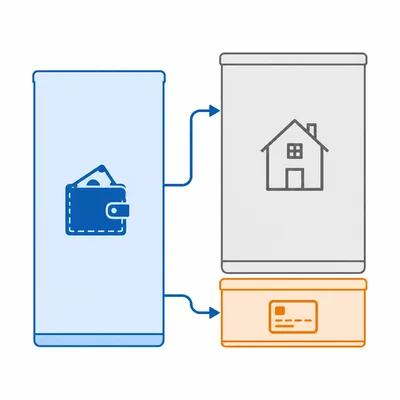
Lena earns $1,600 per month after taxes. Her monthly expenses are $1,200 before any new debt payment. She wants to take on a loan payment of $350 per month. Explain whether this seems responsible based on her monthly cash flow.
- 7
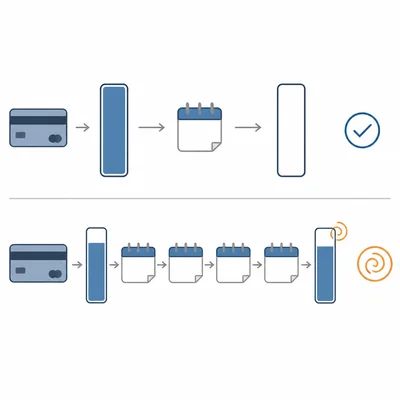
A credit card statement shows a balance of $250. Explain the difference between paying the full balance by the due date and making only the minimum payment.
- 8
Classify each action as a hard inquiry or a soft inquiry: checking your own credit score, applying for a new credit card, getting preapproved offers in the mail, and applying for an auto loan.
- 9
A credit report lists an unpaid medical bill that belongs to someone with a similar name, not to you. Describe two responsible steps you should take.
- 10
Your friend asks you to co-sign a loan because they do not qualify on their own. Explain one benefit and two risks of co-signing.
- 11
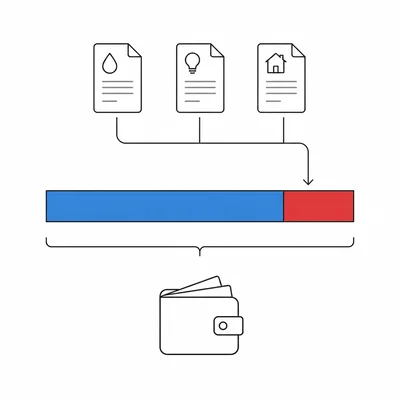
Calculate the debt-to-income ratio for a borrower with $450 in monthly debt payments and $3,000 in gross monthly income. Explain what the result means.
- 12
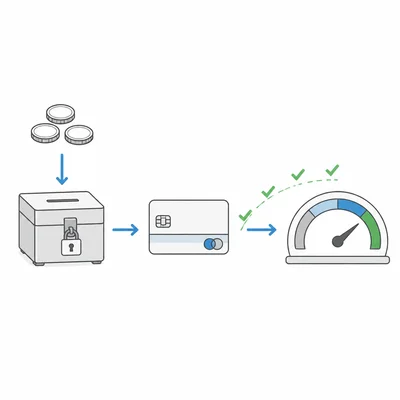
Explain how a secured credit card can help someone with no credit history begin building credit responsibly.
- 13

Compare two one-year loan offers for $500 using simple interest estimates. Offer A has a 12% APR and no fee. Offer B has an 8% APR and a $100 origination fee. Which offer has the lower total cost, and why?
- 14
List three habits that can help improve or maintain a strong credit score over time.
- 15
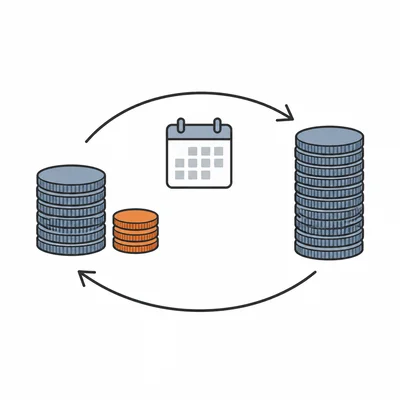
A payday loan offers $300 for two weeks with a $45 fee. Calculate the fee as a percent of the amount borrowed, then explain why this type of borrowing can be risky.