Practice using insurance vocabulary, comparing policies, and explaining how insurance helps protect people from financial risk.
Read each problem carefully. Show your work when calculations are needed and explain your reasoning in complete sentences.
Understanding premiums, deductibles, coverage, and risk management
Financial Literacy - Grade 9-12
- 1
In your own words, explain the main purpose of insurance. Include the idea of risk in your answer.
- 2
A car insurance policy costs $125 per month. What is the annual premium for this policy?
- 3
Maya has health insurance with a $1,000 deductible. She has a covered medical bill of $750 early in the year and has not paid anything toward her deductible yet. How much will Maya likely pay before insurance begins covering costs?
- 4
A health plan has a $30 copay for doctor visits. Liam visits the doctor 4 times in a year. How much does he pay in copays for those visits?
- 5
Compare these two auto insurance options. Plan A has a $180 monthly premium and a $500 deductible. Plan B has a $120 monthly premium and a $1,500 deductible. If Jordan wants lower monthly payments and has emergency savings, which plan might fit better? Explain.
- 6
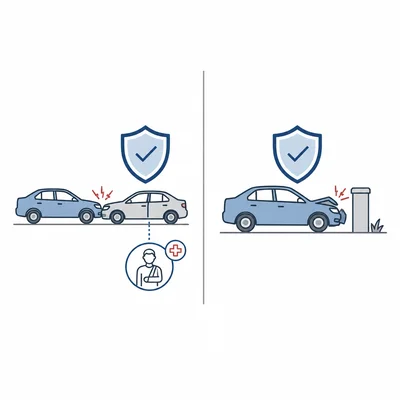
Explain the difference between liability coverage and collision coverage in an auto insurance policy.
- 7
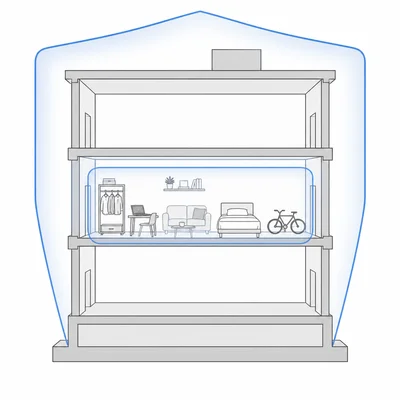
A renter owns a laptop, clothes, furniture, and a bicycle worth a total of $6,000. The landlord's insurance covers the building but not the renter's personal belongings. What type of insurance should the renter consider, and why?
- 8
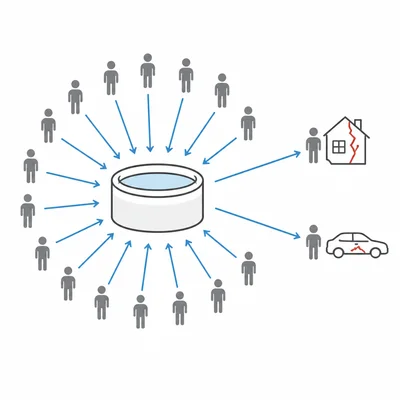
An insurance company groups many policyholders together. Most people will not have a major loss in the same year, so premiums from the group help pay claims for the few who do. What is this concept called, and why does it matter?
- 9
A phone insurance plan costs $12 per month and has a $100 deductible for a replacement. A new phone costs $700. If the phone is replaced after 1 year, what is the total cost paid by the customer for insurance and the deductible?
- 10
A policy has a coverage limit of $50,000. A covered loss costs $65,000. If there are no other limits or deductibles in this problem, how much would the insurance company pay and how much would the policyholder still owe?
- 11
Explain what an exclusion is in an insurance policy. Give one example of why exclusions are important to read before buying coverage.
- 12
A homeowner can buy flood insurance for $600 per year. The estimated probability of a flood causing $40,000 in damage this year is 2 percent. Calculate the expected loss without insurance and compare it to the premium.
- 13
A health insurance plan has 20 percent coinsurance after the deductible is met. Sofia has a covered medical bill of $2,000 after meeting her deductible. How much does Sofia pay, and how much does insurance pay?
- 14
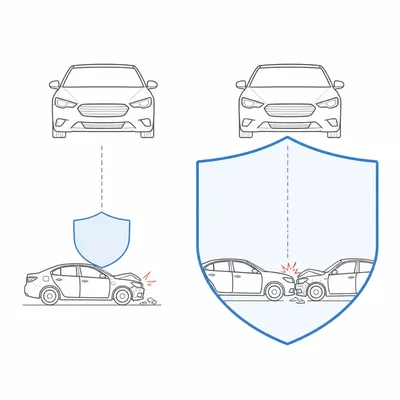
Study the following situation: Two people have the same car. Alex chooses the state minimum liability coverage. Brianna chooses higher liability limits plus collision coverage. Identify one advantage and one disadvantage of Brianna's choice.
- 15
Create a short recommendation for a recent high school graduate who is starting a first full-time job and renting an apartment. Name two types of insurance they should consider and explain why each one matters.