Practice using dictionaries and thesauruses to find word meanings, check spelling, use guide words, and choose synonyms and antonyms.
Read each problem carefully. Use the clues to practice dictionary and thesaurus skills. Write your answers in the space provided.
Finding meanings, spellings, guide words, synonyms, and antonyms
Language Arts - Grade 2-3
- 1
A dictionary tells you many things about a word. Name two things you can learn from a dictionary entry.
- 2
Put these words in ABC order: turtle, apple, monkey, zebra.
- 3
Look at these guide words from a dictionary page: garden and gold. Which word would be on this page: gift, grape, or house? Explain your choice.
- 4
Read this dictionary entry: brave adjective: showing courage; not afraid to do something hard. Write a sentence using the word brave.
- 5
Which word would you look up in the dictionary to find the meaning of running: run, runs, or runner?
- 6
A thesaurus helps you find synonyms. Choose the best synonym for happy: glad, loud, or tiny.
- 7
A thesaurus can also help you find antonyms. Choose the best antonym for hot: warm, cold, or sunny.
- 8
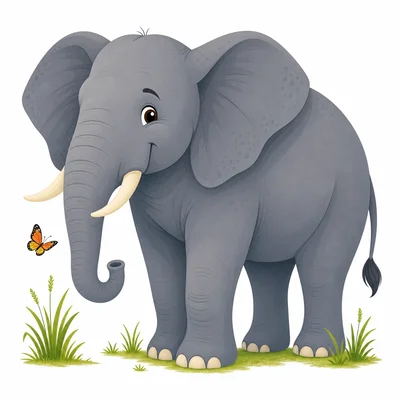
Use a thesaurus idea to replace the word big in this sentence with a stronger synonym: The elephant is big.
- 9
Look at these guide words: lake and lemon. Which two words would belong on this dictionary page: ladder, leaf, lion, kite?
- 10
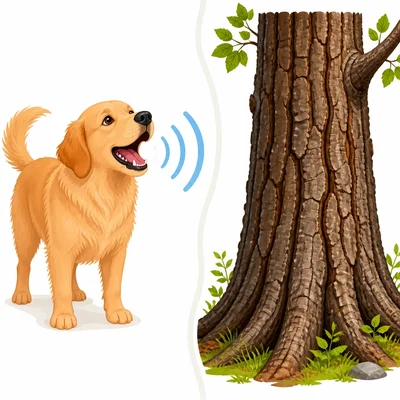
The word bark can mean the sound a dog makes or the outside covering of a tree. Write one sentence using bark to mean the sound a dog makes.
- 11
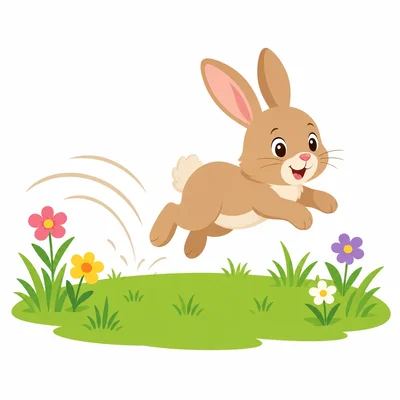
Choose the best thesaurus word to make the sentence more exact: The rabbit moved across the grass. Options: hopped, slept, cooked.
- 12
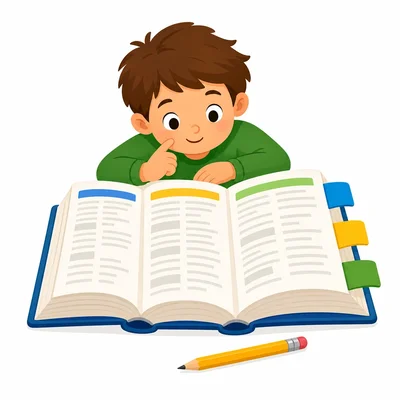
You want to find the word pencil in a dictionary. Which guide word pair should you choose: paper to puppy, rain to river, or tree to truck? Explain your answer.