Practice understanding how stocks, bonds, and mutual funds work, including risk, return, diversification, dividends, interest, and fees.
Read each problem carefully. Show your calculations when needed and explain your reasoning in complete sentences.
Comparing investment types, risk, return, and diversification
Financial Literacy - Grade 9-12
- 1
A share of stock represents ownership in a company. Explain one way an investor can make money from owning a stock and one risk of owning a stock.
- 2
You buy 20 shares of a stock at $15 per share. One year later, you sell all the shares for $18 per share. What is your total capital gain, not including fees or taxes?
- 3
A company pays a dividend of $0.75 per share. You own 40 shares. How much dividend income do you receive?
- 4
A bond has a face value of $1,000 and pays a 5% annual coupon rate. How much interest does the bond pay in one year?
- 5
Compare stocks and bonds. Which one usually has higher potential return, and which one is usually considered more stable? Explain why.
- 6

A mutual fund owns shares of 100 different companies. Explain how this can reduce risk compared with buying stock in only one company.
- 7
A mutual fund earns a 7% return in a year before fees. The fund charges an expense ratio of 1%. What is the approximate return after fees?
- 8
You invest $2,000 in a mutual fund. At the end of the year, the investment is worth $2,140. What is the percentage return for the year?
- 9
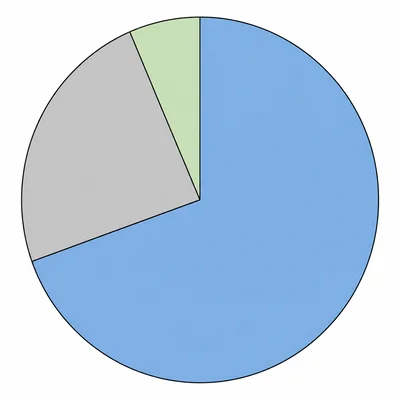
Look at this portfolio: 70% stocks, 25% bonds, and 5% cash. Describe whether this portfolio is likely to be more aggressive or more conservative, and explain your reasoning.
- 10
A bond pays fixed interest, but inflation rises sharply. Explain why inflation can reduce the real value of the bond's interest payments.
- 11
An investor buys a bond for $950 and later receives $1,000 when the bond matures. The investor also receives $40 in interest while holding the bond. What is the total dollar return?
- 12
A student says, "Mutual funds have no risk because they own many investments." Explain why this statement is incorrect.
- 13
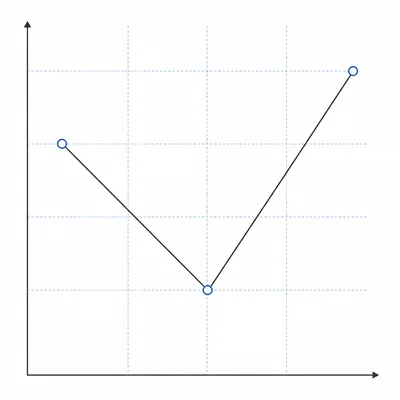
A stock price changes from $50 to $45 in one week, then from $45 to $54 the next week. What does this example show about stock price volatility?
- 14
Choose the better investment for a person who needs the money in 3 months: a stock mutual fund or a savings account. Explain your choice.
- 15
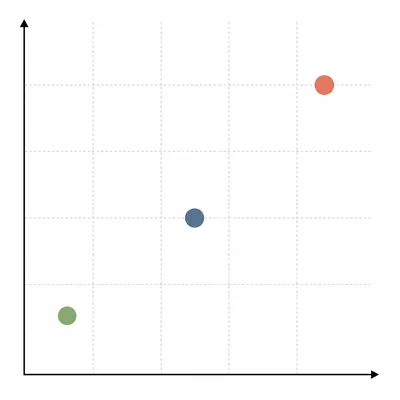
The chart shows three investments: Investment A has high risk and high potential return, Investment B has medium risk and medium potential return, and Investment C has low risk and low potential return. Match each one to the most likely category: stock, bond, or savings account.