Practice recognizing safe behavior in the science lab and choosing the correct equipment for common classroom investigations.
Read each problem carefully. Write complete answers and explain your thinking when asked.
Identify safe lab practices and basic science tools
Science - Grade 6-8
- 1
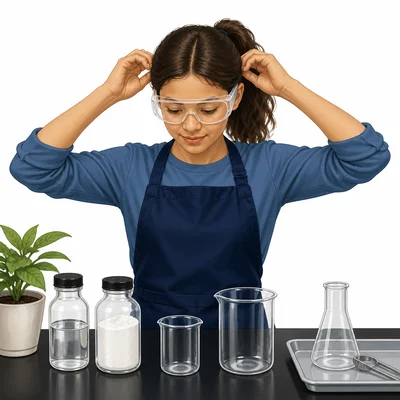
You are about to begin a lab that uses vinegar, baking soda, and glass beakers. List three safety steps you should take before starting.
- 2
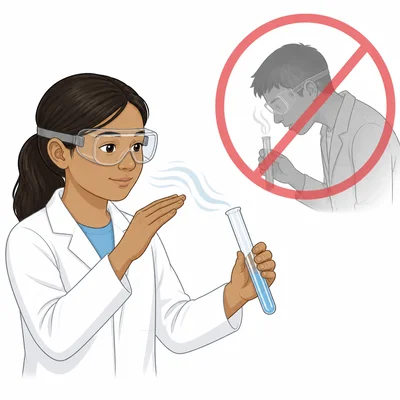
A student finds an unlabeled liquid in a test tube and wants to smell it to figure out what it is. What should the student do instead?
- 3
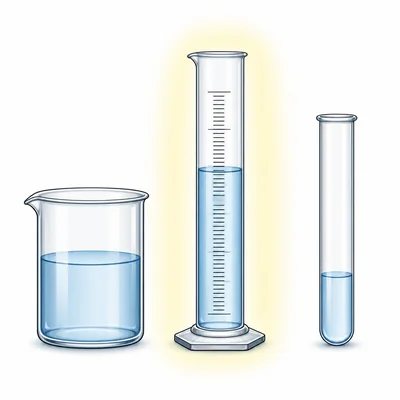
Identify the best tool for measuring exactly 50 milliliters of water: a beaker, a graduated cylinder, or a test tube. Explain your choice.
- 4
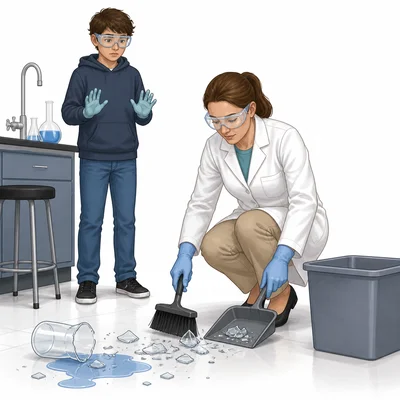
What should you do if a glass beaker breaks during a lab?
- 5
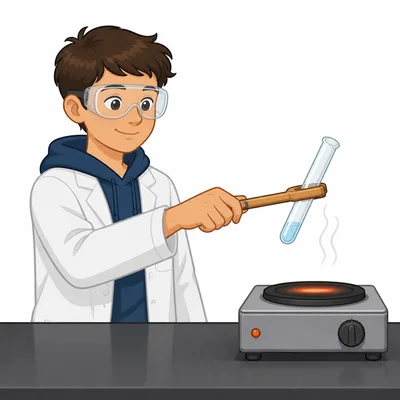
A lab procedure says to heat a small amount of liquid in a test tube. Describe two safety rules to follow while heating it.
- 6
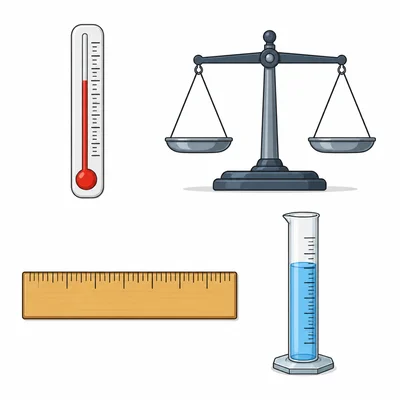
Match each tool to its main use: thermometer, balance, ruler, and graduated cylinder.
- 7
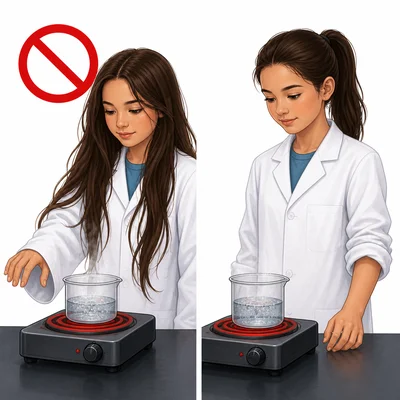
A student is wearing loose sleeves and long hair while working near a hot plate. What safety concerns are present, and how should the student fix them?
- 8
Why is it important to read the entire lab procedure before touching any materials?
- 9
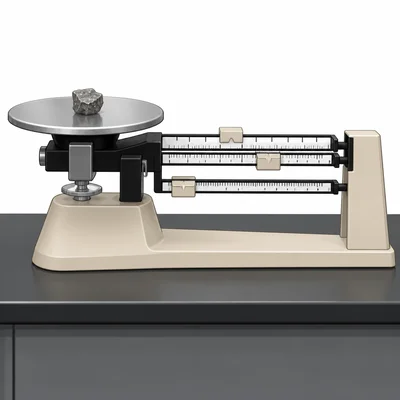
Look at a triple beam balance. What is it used for, and what unit is commonly used for the measurement?
- 10
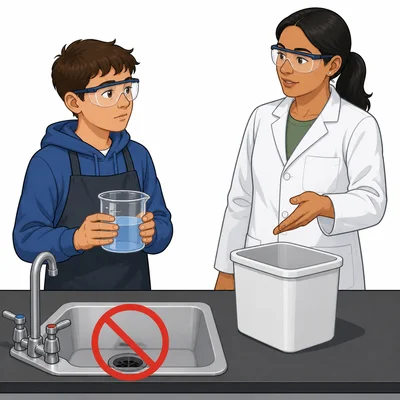
A classmate says, "The lab is almost over, so it is fine to pour extra chemicals down the sink." Explain why this is unsafe.
- 11
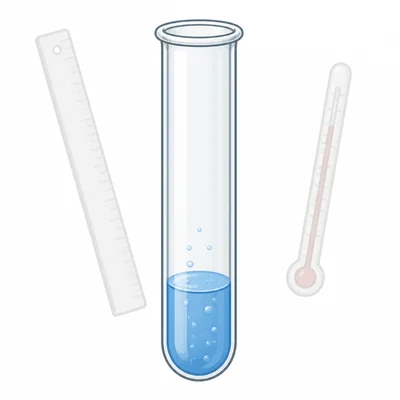
Choose the correct equipment for holding a small amount of liquid during a reaction: test tube, meter stick, or thermometer. Explain your answer.
- 12
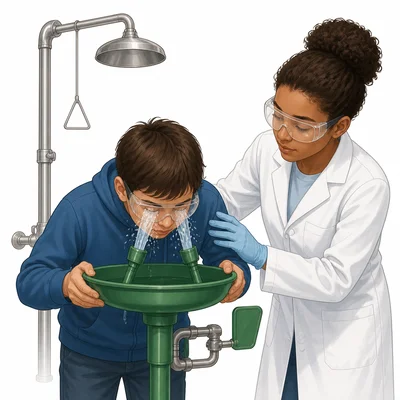
What should you do if a chemical splashes on your skin or in your eyes?
- 13
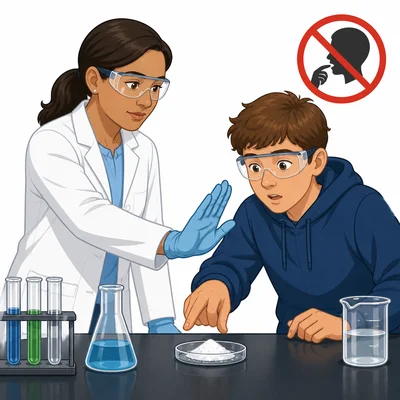
A student wants to taste a white powder because it looks like sugar. What lab safety rule does this break, and what should the student do?
- 14
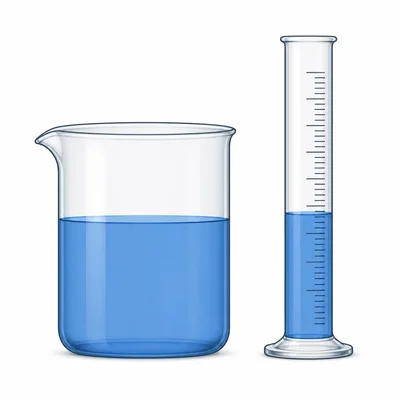
Explain the difference between a beaker and a graduated cylinder.
- 15
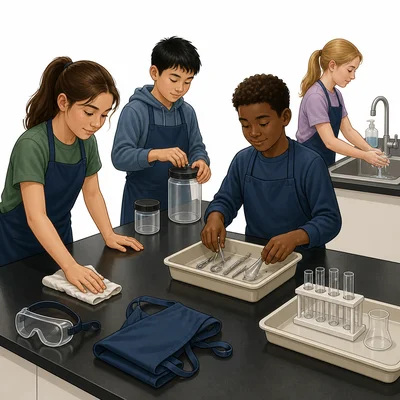
At the end of a lab, what are four responsibilities students have before leaving the room?