Practice understanding how lenses and mirrors form images through reflection and refraction.
Read each problem carefully. Show your work and explain your reasoning when needed.
Exploring reflection, refraction, and image formation
Physics - Grade 9-12
- 1
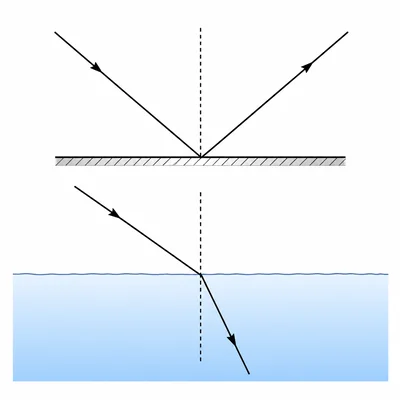
Define reflection and refraction in the context of light.
- 2
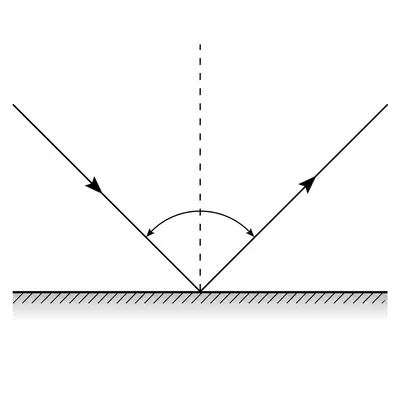
State the law of reflection.
- 3
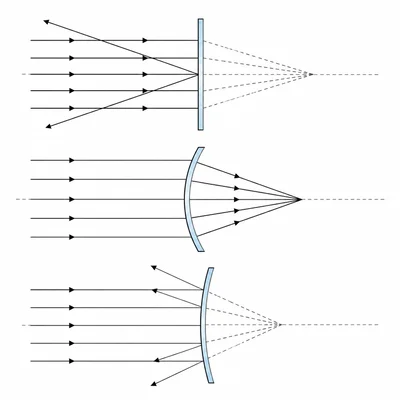
Describe the difference between a plane mirror, a concave mirror, and a convex mirror.
- 4
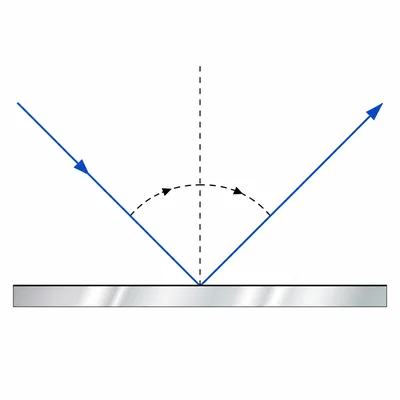
A light ray strikes a flat mirror with an angle of incidence of 35 degrees. What is the angle of reflection?
- 5
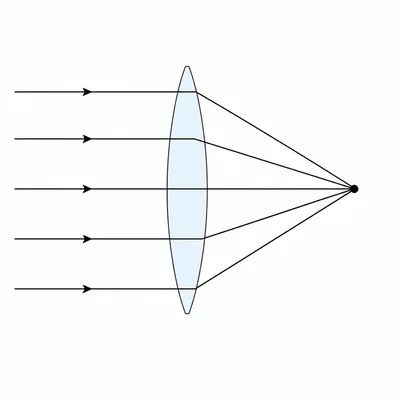
Explain what the focal point of a converging lens is.
- 6
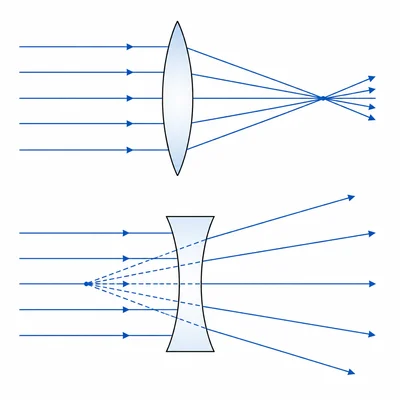
Compare a converging lens and a diverging lens.
- 7
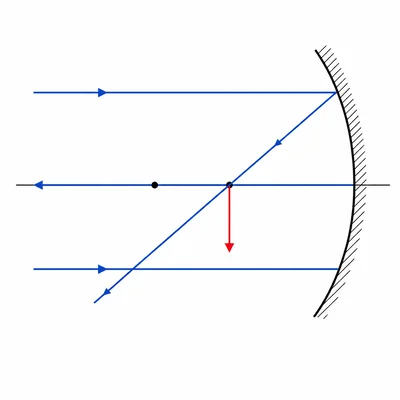
A concave mirror has a focal length of 12 cm. An object is placed 36 cm in front of the mirror. Use the mirror equation to find the image distance.
- 8
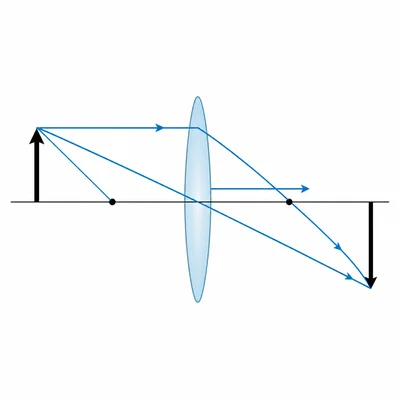
A converging lens has a focal length of 10 cm. An object is placed 30 cm from the lens. Use the lens equation to find the image distance.
- 9
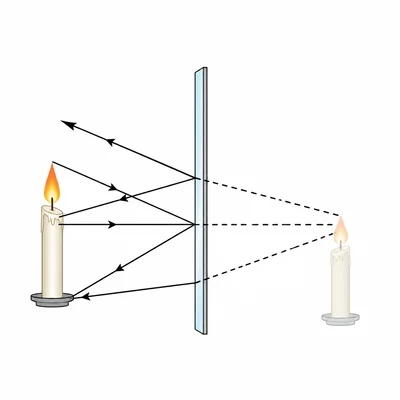
What does it mean for an image to be virtual?
- 10
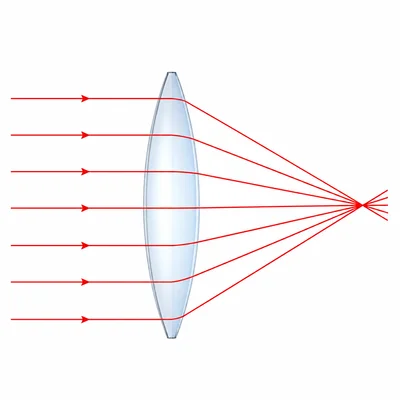
What does it mean for an image to be real?
- 11
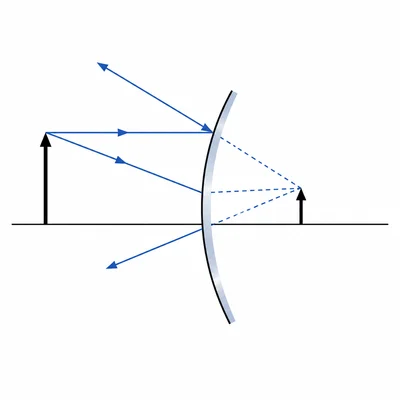
A convex mirror always forms what kind of image? Describe its orientation and size.
- 12
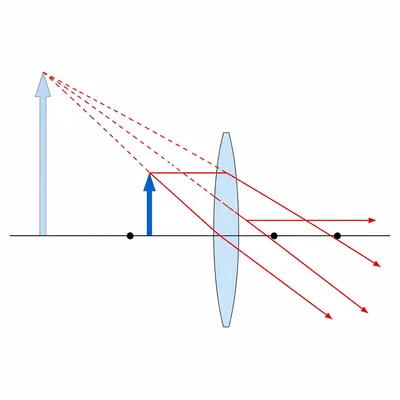
An object is placed between a converging lens and its focal point. Describe the image formed.
- 13
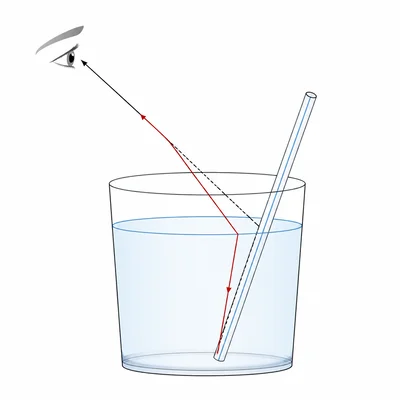
Why does a straw appear bent when it is partly submerged in water?
- 14
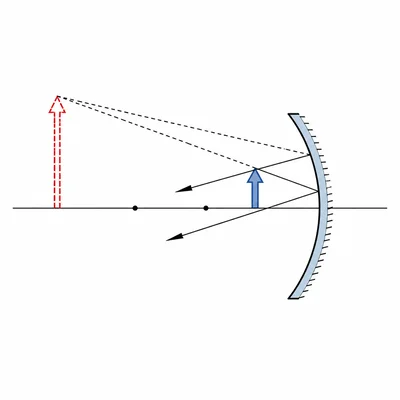
A concave mirror produces an enlarged upright image of an object. Where is the object located relative to the focal point?
- 15
Give one everyday use of a concave mirror and one everyday use of a convex mirror. Explain why each mirror is useful.