Practice interpreting the pH scale, identifying acids and bases, and explaining how pH relates to hydrogen ion concentration.
Read each problem carefully. Answer in complete sentences and show any reasoning or calculations in the space provided.
Using the pH scale to classify acids, bases, and neutral substances
Chemistry - Grade 9-12
- 1
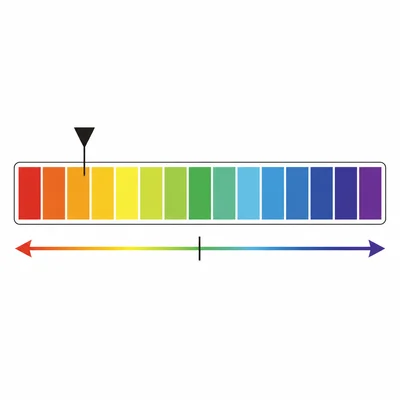
A solution has a pH of 3. Classify it as acidic, basic, or neutral, and explain how you know.
- 2
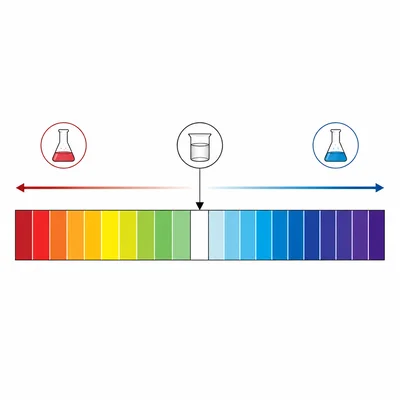
A substance has a pH of 7. What does this tell you about the substance?
- 3
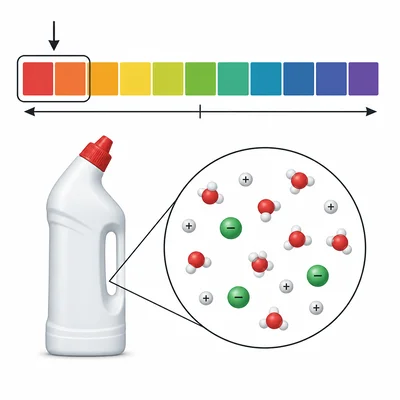
A cleaning solution has a pH of 11. Is it an acid or a base? Explain your answer.
- 4
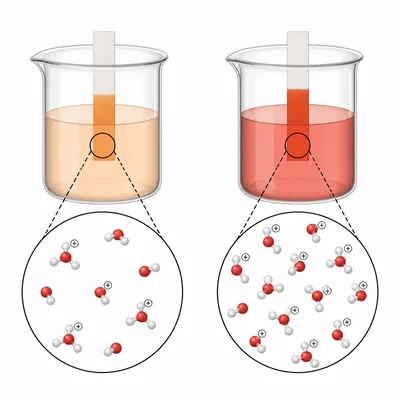
Compare a solution with pH 4 to a solution with pH 6. Which one is more acidic, and by how much in terms of hydrogen ion concentration?
- 5
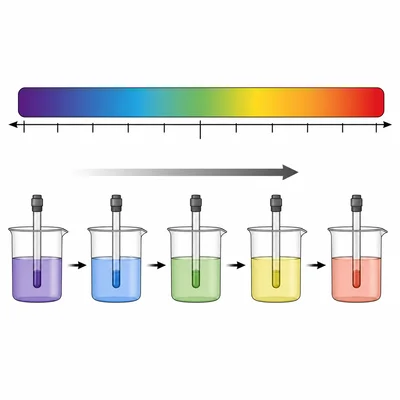
If a sample changes from pH 8 to pH 5, did it become more acidic or more basic? Explain the change.
- 6
Name one common property of acids and one common property of bases.
- 7
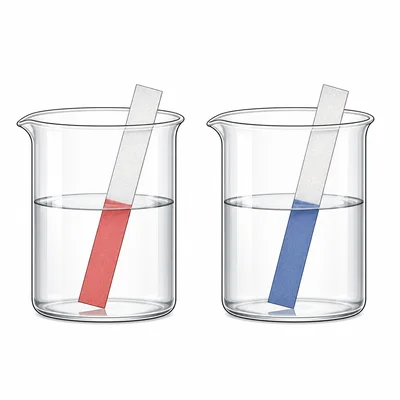
Litmus paper turns red in one solution and blue in another. What can you conclude about each solution?
- 8
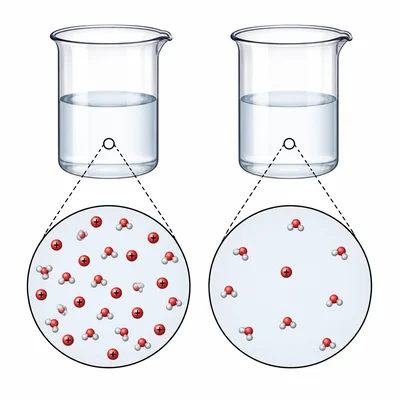
A student says that a solution with pH 2 is only slightly more acidic than a solution with pH 3. Is the student correct? Explain.
- 9
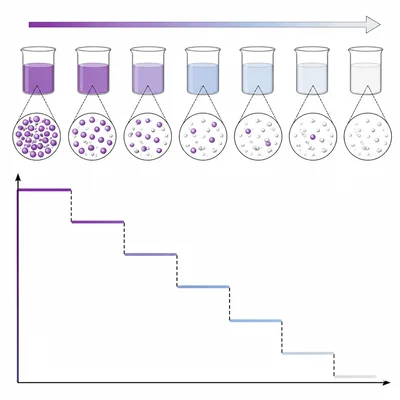
Why is the pH scale considered logarithmic rather than linear?
- 10
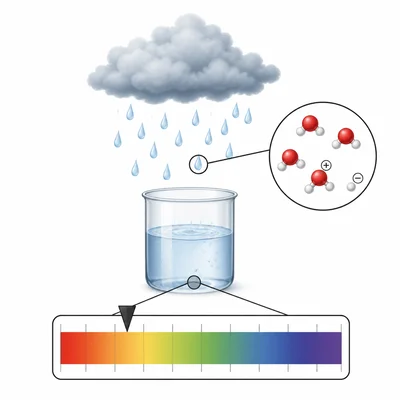
A sample of rainwater has a pH of 5.6. Is this sample acidic, basic, or neutral? Explain.
- 11
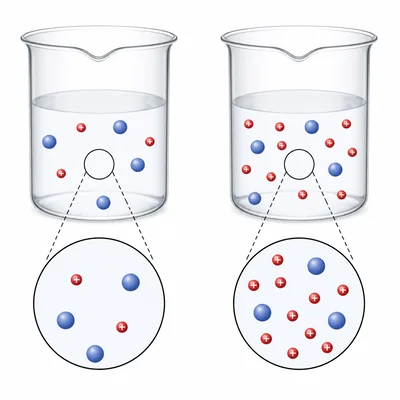
If one solution has a pH of 9 and another has a pH of 12, which solution is more basic, and how much lower is its hydrogen ion concentration?
- 12
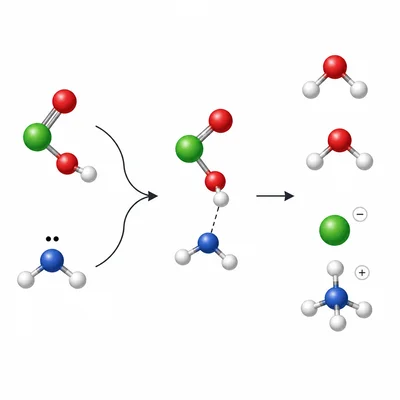
Describe what happens in a neutralization reaction between an acid and a base.
- 13
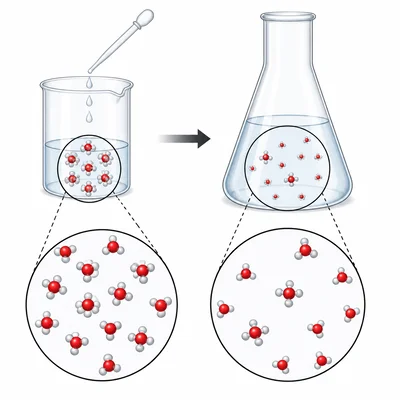
A student mixes equal amounts of a strong acid and pure water. How will the pH likely change, and why?
- 14
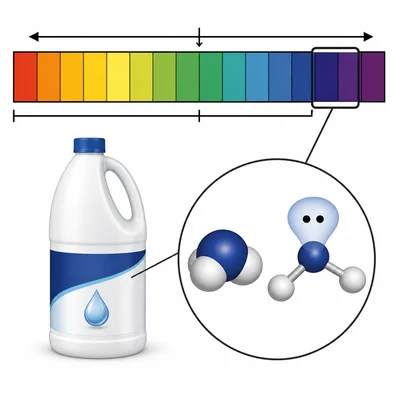
Household ammonia is a base. Predict whether its pH is more likely to be 2, 7, or 11, and explain your choice.
- 15
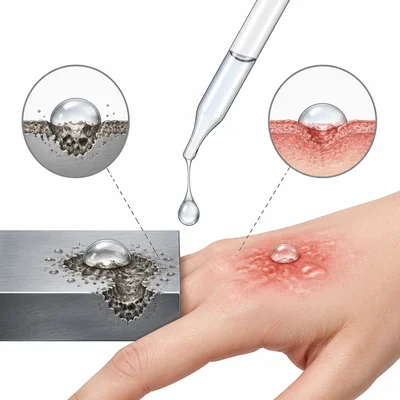
Explain why a substance with pH 1 can be dangerous to skin and materials.