Practice observing and describing rocks, sand, and soil found around Florida, including beaches, wetlands, and backyards.
Read each problem carefully. Use science words to explain your thinking. Show your work in the space provided.
Exploring Earth materials in the Sunshine State
Science - Grade 2-3
- 1
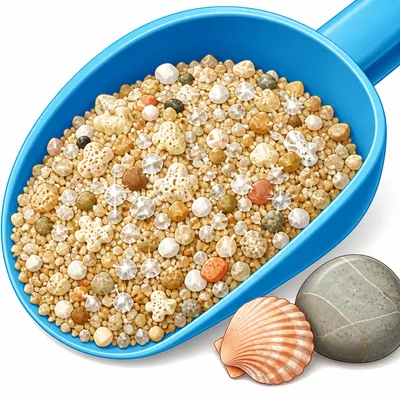
Florida has many beaches with sand. What are two things beach sand can be made from?
- 2
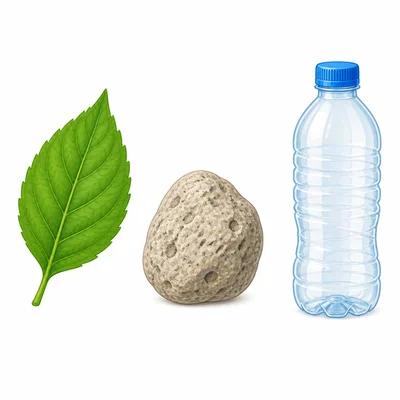
Circle the object that is a rock: a leaf, a limestone pebble, or a plastic bottle. Explain your choice.
- 3
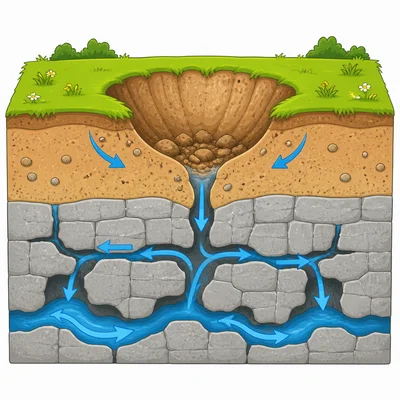
Many parts of Florida have limestone under the ground. Limestone can slowly wear away when water moves through it. What landform can happen when underground limestone dissolves and the ground sinks?
- 4
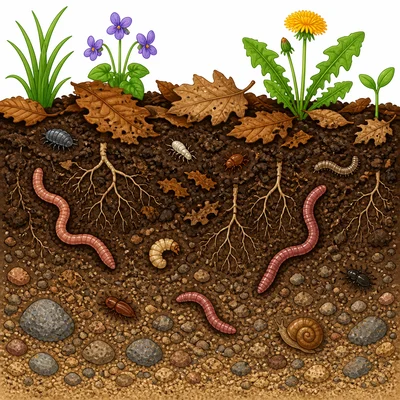
A student finds soil in a Florida garden. It has sand, small rocks, dead leaves, and tiny living things. Why are dead leaves helpful in soil?
- 5
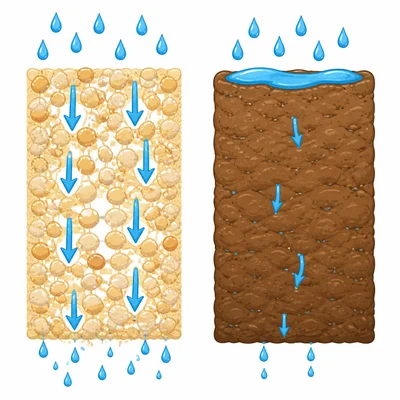
Which would let water pass through faster: dry beach sand or thick clay soil? Explain why.
- 6
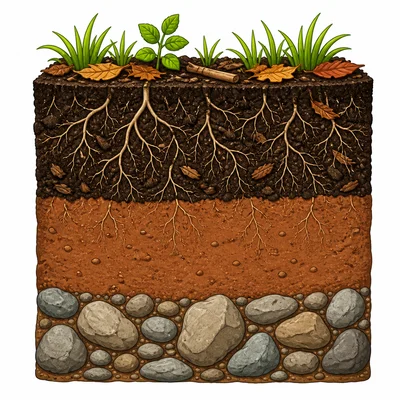
Draw or describe three layers you might see in soil: topsoil, subsoil, and rock pieces. Which layer usually has the most dead plant material?
- 7
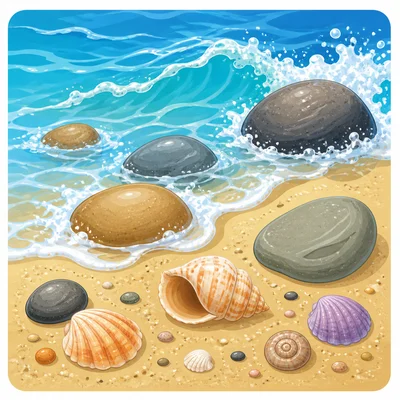
Florida is surrounded by ocean water on many sides. How can waves change rocks and shells over time?
- 8
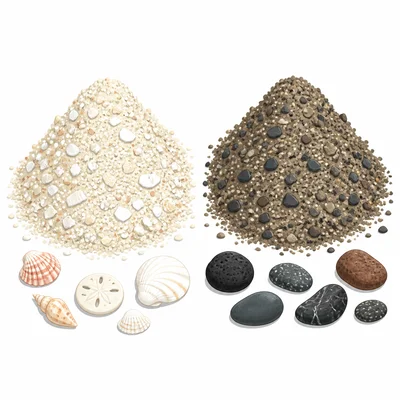
A handful of sand from one Florida beach looks white, and sand from another beach looks darker. What could cause sand to have different colors?
- 9
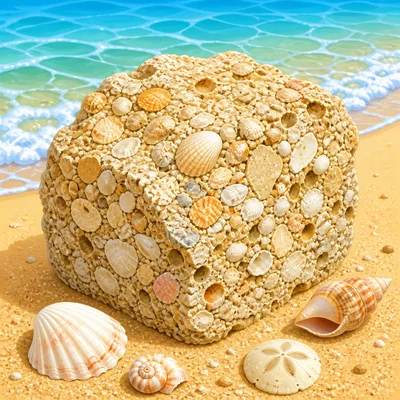
Coquina is a Florida rock made from many shell pieces stuck together. Is coquina more likely to form near a beach or high in snowy mountains? Explain your answer.
- 10
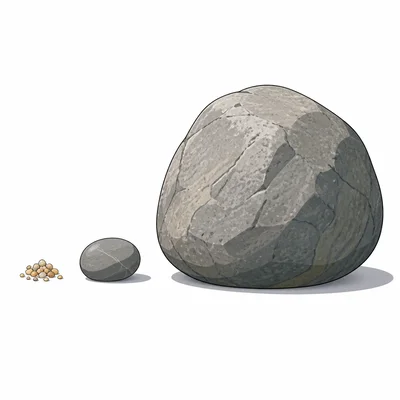
Put these Earth materials in order from smallest pieces to largest pieces: pebble, sand grain, boulder.
- 11
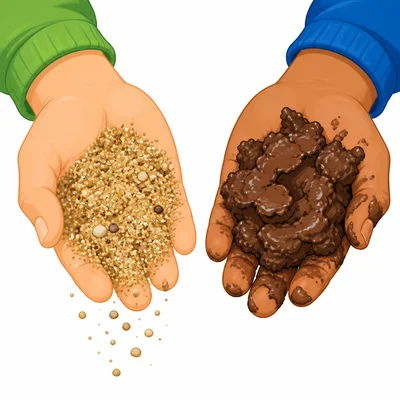
A class wants to compare two soil samples from Florida. Sample A feels gritty. Sample B feels sticky when wet. Which sample probably has more sand, and how do you know?
- 12
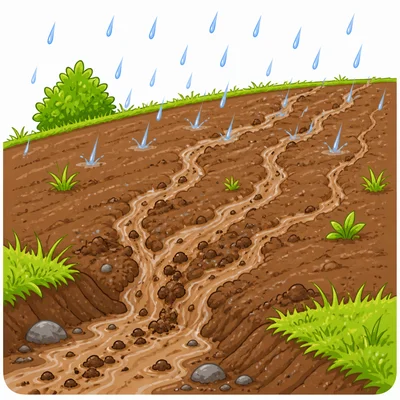
Rain falls on bare soil in a yard. Some soil washes away into a ditch. What is this movement of soil called?
- 13
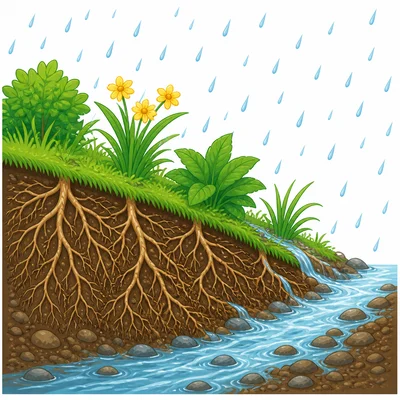
Name one way people can help protect Florida soil from washing away.