Practice identifying soil types and explaining how sand, clay, and humus hold water differently.
Read each problem carefully. Write your answers in complete sentences when you can. Show your thinking in the space provided.
Compare sand, clay, and humus by how they feel and hold water
Science - Grade 2-3
- 1
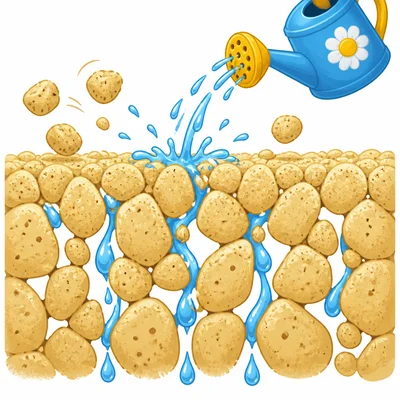
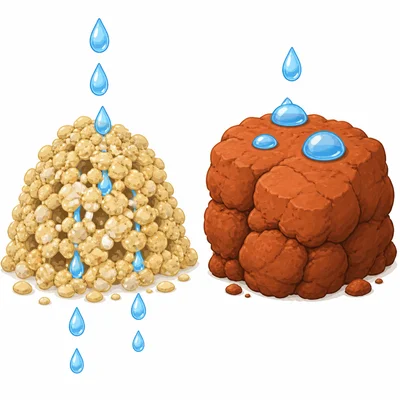
Sand has large, loose grains. What do you think happens when water is poured on sand?
- 2
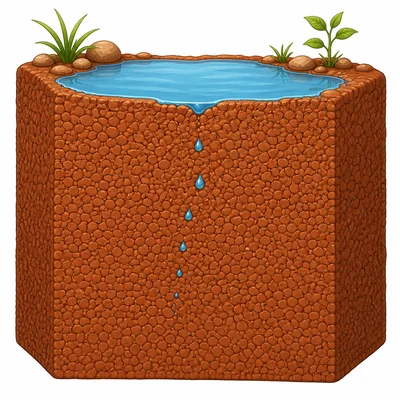
Clay has very tiny pieces packed close together. Does clay let water drain quickly or slowly? Explain your answer.
- 3
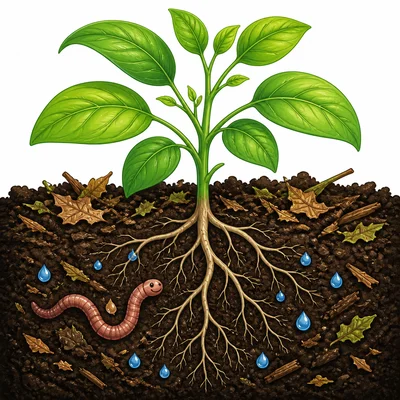
Humus is made from dead plants and animals that have broken down. Why is humus helpful for plants?
- 4
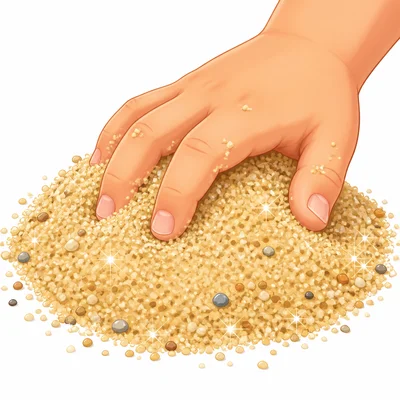
Circle the soil type that feels gritty: sand, clay, or humus. Then write one sentence about it.
- 5
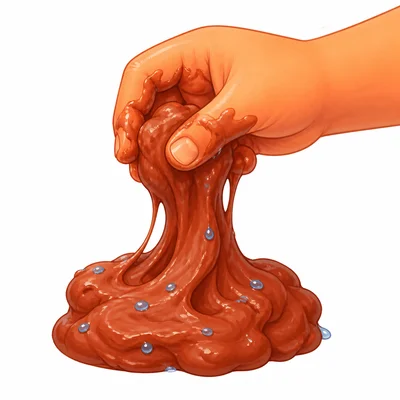
Circle the soil type that often feels sticky when wet: sand, clay, or humus. Then explain why.
- 6
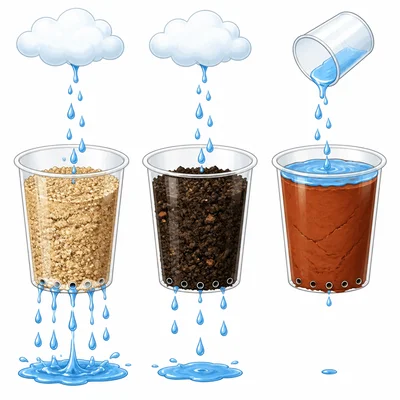
A student pours the same amount of water into three cups: one with sand, one with clay, and one with humus. Which cup will probably drain the fastest?
- 7
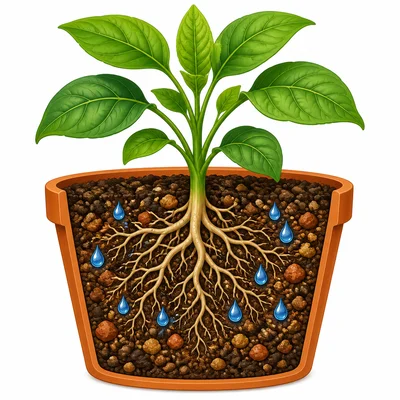
A plant needs soil that holds some water but does not stay too soggy. Which soil type might be best when mixed with other soils: sand, clay, or humus?
- 8
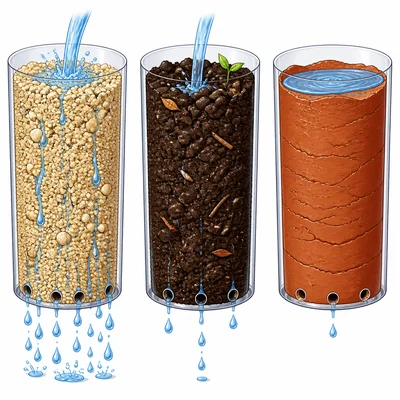
Put these soils in order from water draining fastest to slowest: clay, sand, humus.
- 9
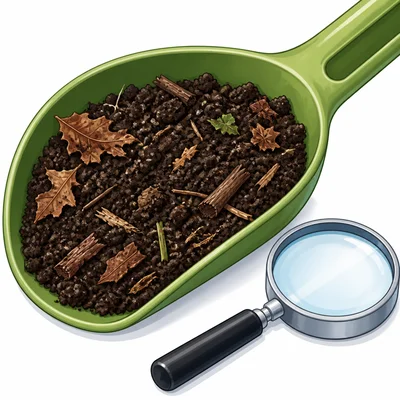
Look at a soil sample that is dark, crumbly, and has tiny pieces of old leaves in it. What soil material is probably in the sample?
- 10
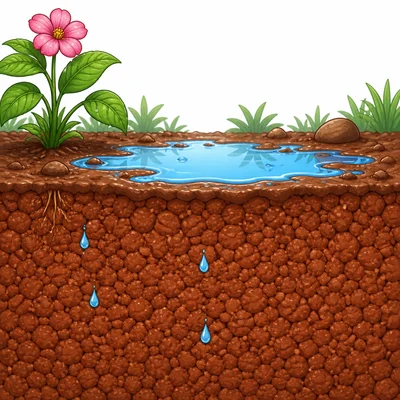
A gardener says, 'This soil is mostly clay, so puddles stay on top after it rains.' Why might puddles stay on clay soil?
- 11
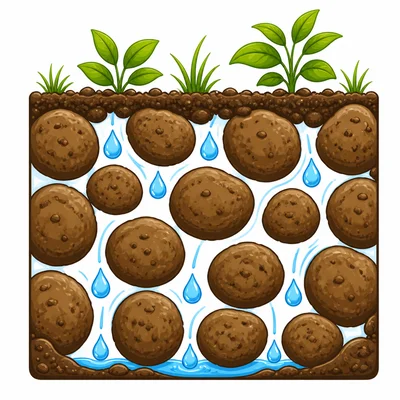
Fill in the blank: Soil with bigger spaces between particles usually lets water move through it __________.
- 12
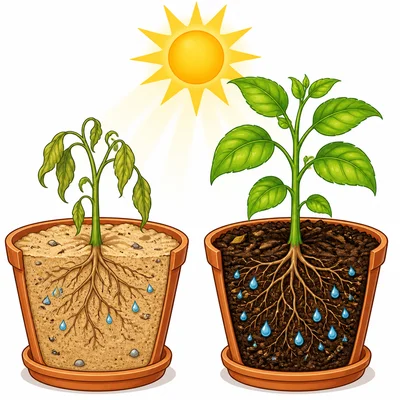
Two plants get the same amount of sunlight. Plant A is in dry sand. Plant B is in soil with humus mixed in. Which plant may have more water available? Explain.
- 13
Write one way sand and clay are different.