Practice identifying sources of heat, including the Sun, fire, and friction, and learn how heat affects everyday objects.
Read each problem carefully. Write complete answers. Use safe examples when you describe heat sources.
Learning how heat comes from sunlight, flames, and rubbing
Science - Grade 2-3
- 1
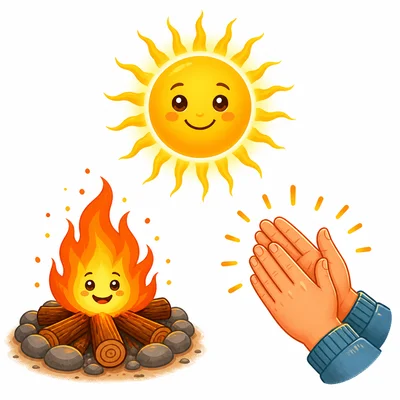
Name three sources of heat you learned about in this worksheet topic.
- 2
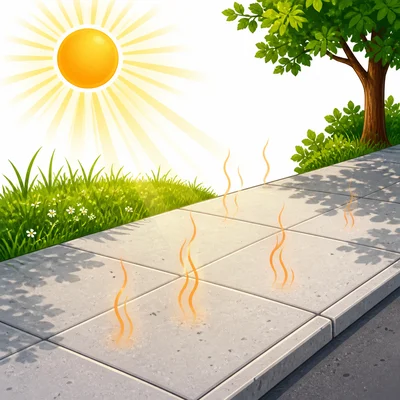
The Sun shines on a sidewalk all afternoon. What will probably happen to the sidewalk?
- 3
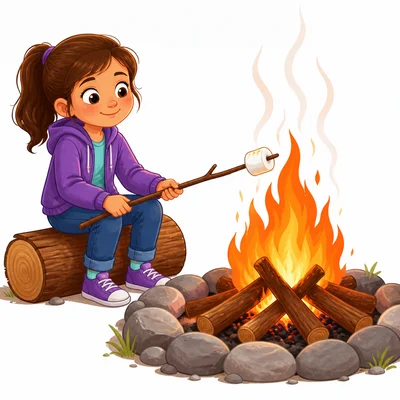
A campfire is used to roast marshmallows. Is the campfire a source of heat? Explain your answer.
- 4
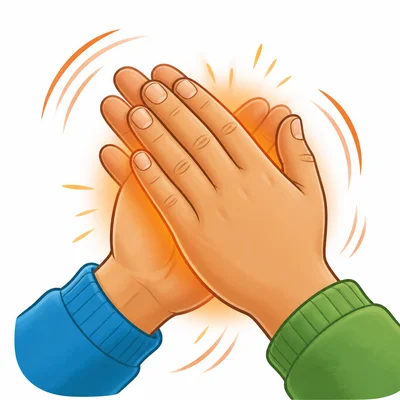
Rub your hands together quickly for a few seconds. What do you feel, and what causes it?
- 5
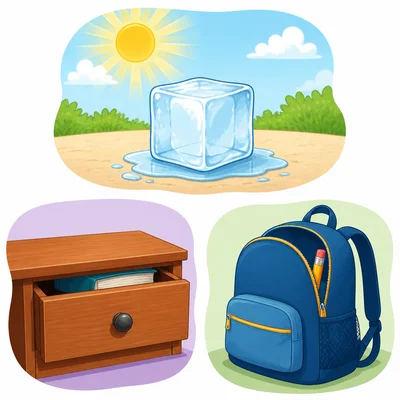
Circle the item that is most likely to be warmed by the Sun: an ice cube outside on a sunny day, a book inside a closed drawer, or a pencil in a backpack.
- 6
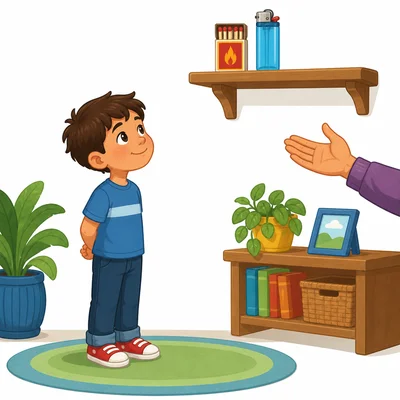
Why should children never play with matches or lighters?
- 7
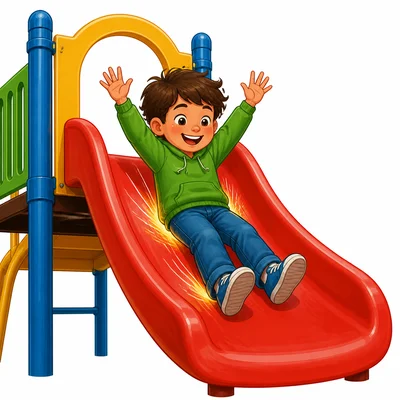
A student slides down a plastic slide. The slide and the student's clothes rub together. What source of heat is being made?
- 8
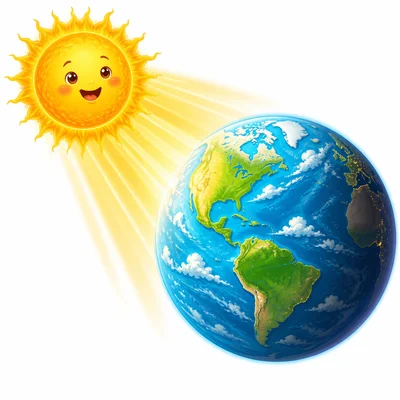
Which source of heat helps warm Earth during the day?
- 9
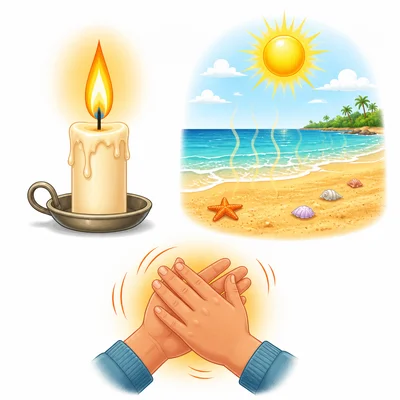
Sort each example into Sun, fire, or friction: a candle flame, warm sand at the beach, and warming hands by rubbing them.
- 10
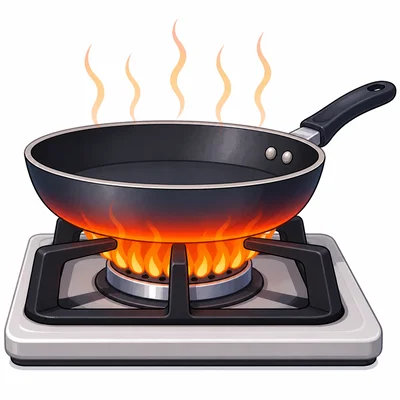
A pan is on a stove flame. Why does the pan get hot?
- 11
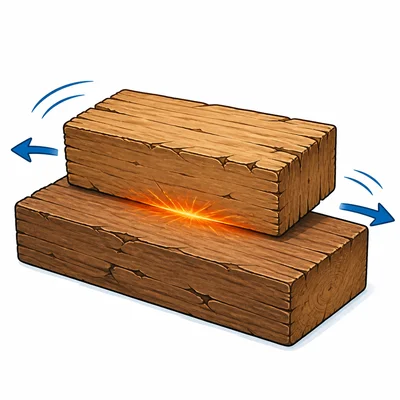
True or false: Friction can happen when two surfaces rub against each other. Explain your answer.
- 12
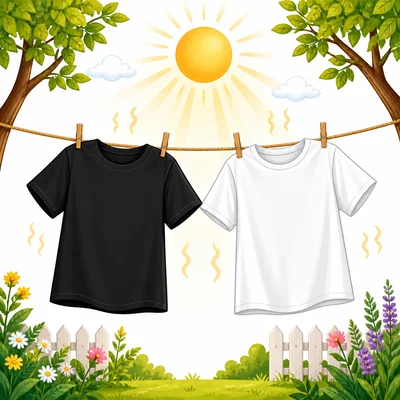
A black T-shirt and a white T-shirt are left in the Sun. Both can get warm. What is the source of the heat?
- 13
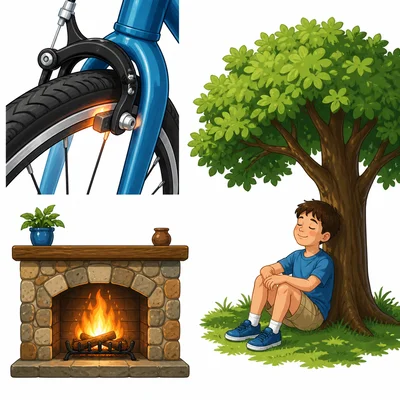
Look at these activities: riding a bike and braking, sitting in shade, and lighting a fireplace. Which two activities involve heat being made by friction or fire?
- 14
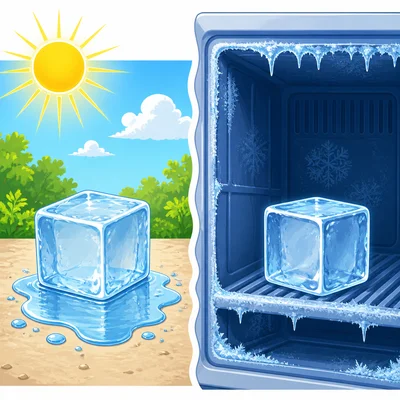
Why does ice melt faster in sunlight than in a dark freezer?
- 15
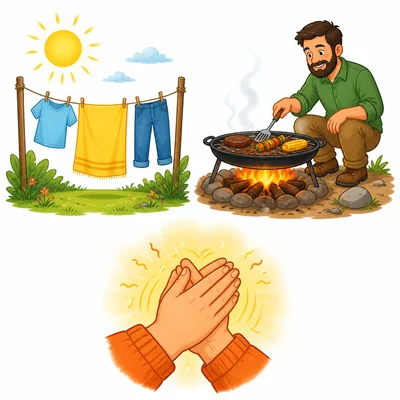
Write one safe way people use heat from the Sun, one safe way people use heat from fire, and one example of heat from friction.