Practice identifying and comparing frequency, amplitude, and wavelength in different kinds of waves.
Read each problem carefully. Use complete sentences when asked to explain your thinking.
Describing how waves move and transfer energy
Physics - Grade 6-8
- 1
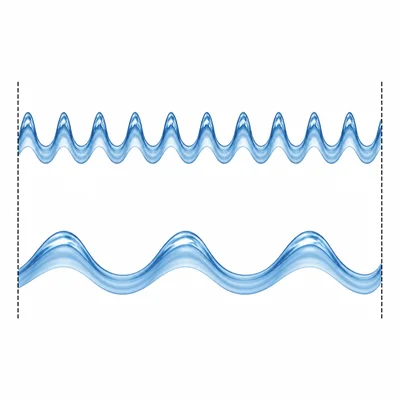
Define frequency in your own words.
- 2
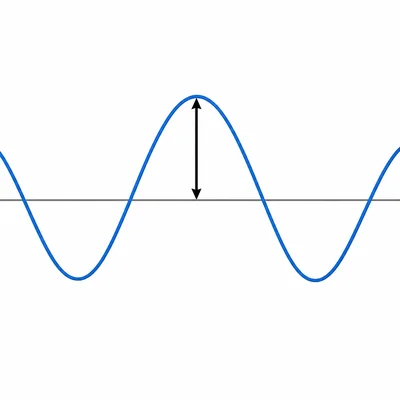
Define amplitude in your own words.
- 3
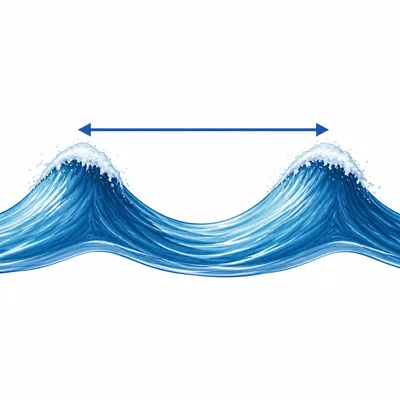
Define wavelength in your own words.
- 4
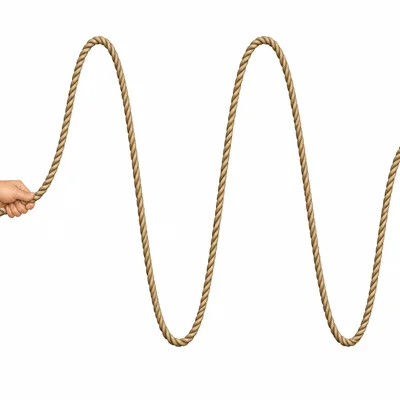
A wave on a rope has very tall crests and deep troughs. Describe its amplitude.
- 5
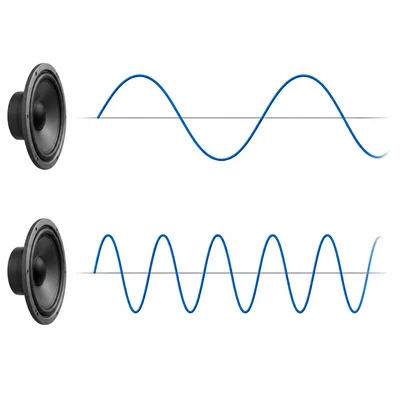
Two sound waves are compared. Wave A repeats 10 times in one second, and Wave B repeats 4 times in one second. Which wave has the greater frequency?
- 6
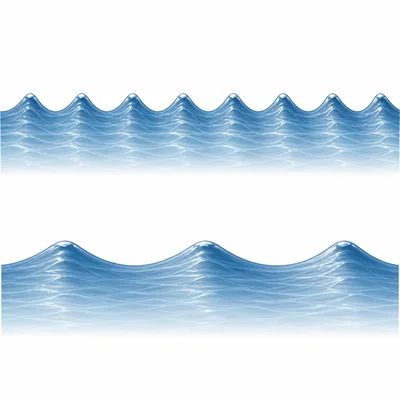
Two water waves travel the same distance. Wave X has crests that are closer together than Wave Y. Which wave has the shorter wavelength?
- 7
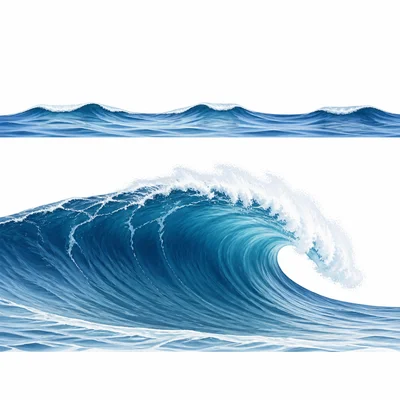
A student says that increasing amplitude changes how much energy a wave carries. Is the student correct? Explain.
- 8
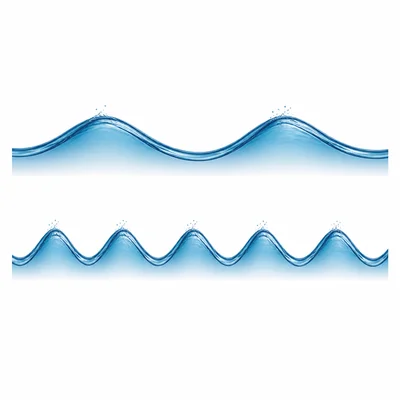
If the frequency of a wave increases while the wave speed stays the same, what happens to its wavelength?
- 9
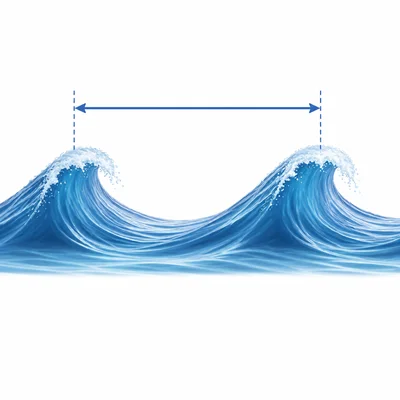
A wave has a wavelength of 2 meters. This means the distance from one crest to the next crest is how far?
- 10
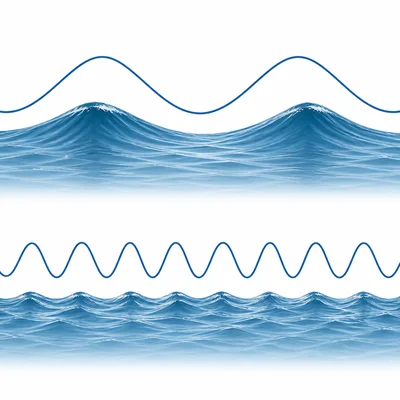
Compare these two waves: Wave 1 has a large amplitude and low frequency. Wave 2 has a small amplitude and high frequency. Describe one difference between them.
- 11
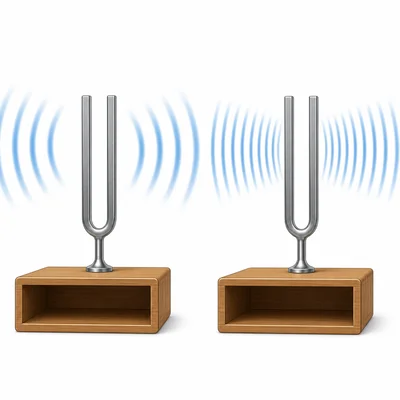
A tuning fork produces a sound wave with a higher frequency than another tuning fork. How will the sound usually be perceived?
- 12
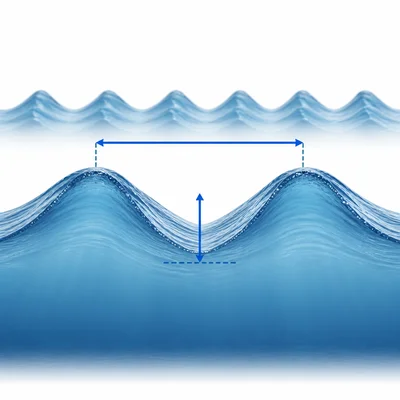
Explain how frequency, amplitude, and wavelength are different from one another.