Practice reading, thinking, and writing about Christopher Columbus, Ferdinand Magellan, and early ocean exploration.
Read each problem carefully. Write your answer in complete sentences when possible.
Learning about ocean voyages, maps, and historical explorers
Social Studies - Grade 2-3
- 1
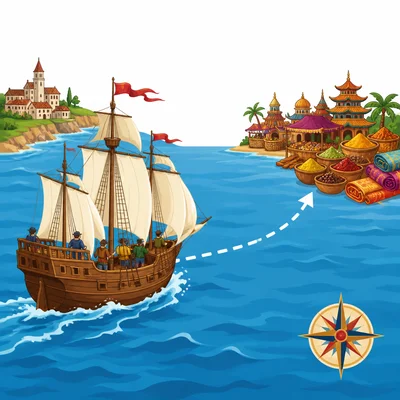
Christopher Columbus sailed west across the Atlantic Ocean in 1492. What was he hoping to find?
- 2
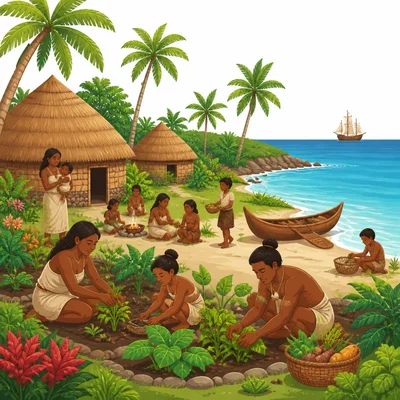
Columbus landed in the Caribbean, where Indigenous peoples were already living. Why is it important to remember that people already lived there?
- 3
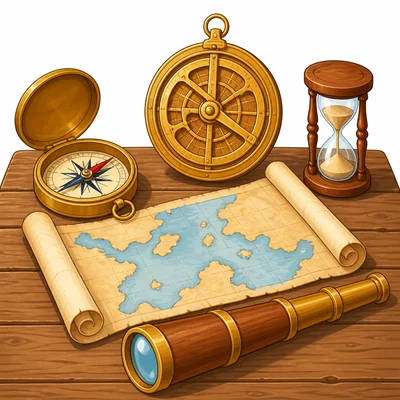
Name one tool that early explorers used to help them travel across the ocean.
- 4
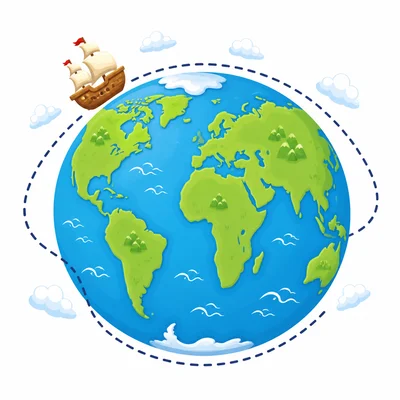
Ferdinand Magellan led an expedition that sailed around the world. What does it mean to sail around the world?
- 5
Magellan did not finish the whole trip because he died during the voyage. Why is his expedition still important?
- 6
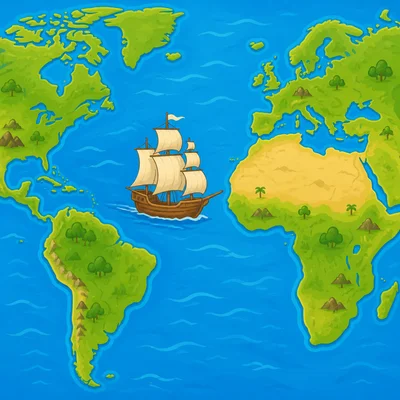
Circle the ocean Columbus crossed on his 1492 voyage: Atlantic Ocean, Pacific Ocean, or Indian Ocean.
- 7
Put these events in order: Magellan's expedition sails around the world, Columbus sails across the Atlantic, Indigenous peoples live in the Caribbean.
- 8
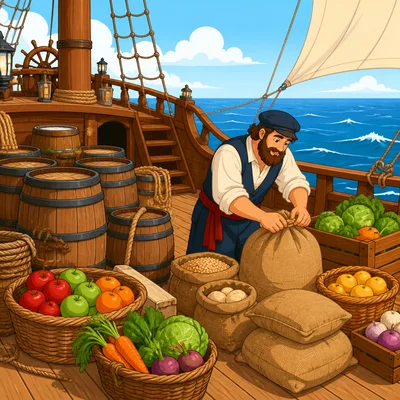
Why did sailors on long voyages need to bring food and fresh water?
- 9
What is one way Columbus and Magellan were alike?
- 10
What is one way Columbus and Magellan were different?
- 11
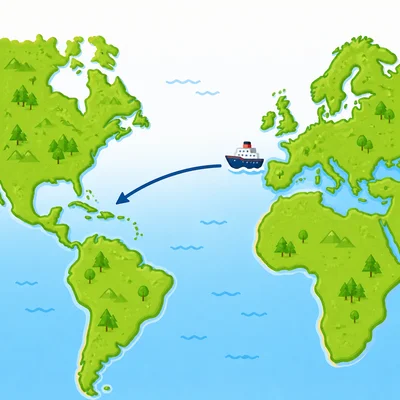
Look at a map. If a ship sails west from Europe across the Atlantic Ocean, what land area might it reach?
- 12
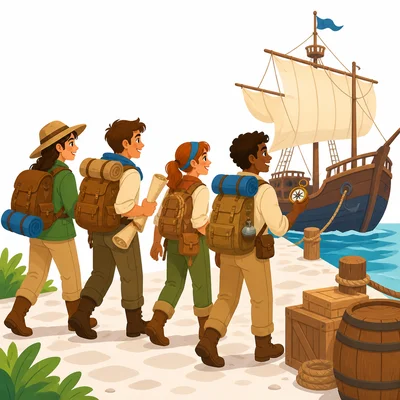
What does the word expedition mean in social studies?
- 13
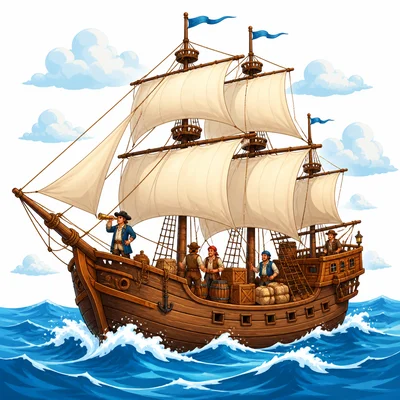
Why were ships important to early explorers like Columbus and Magellan?
- 14
Write one respectful sentence about the Indigenous peoples Columbus met in the Caribbean.
- 15
Choose one explorer, Columbus or Magellan. Write one fact about him and one question you still have.