Practice explaining inflation, calculating price changes, and analyzing how the cost of living affects everyday decisions.
Read each problem carefully. Show your work for calculation problems and answer in complete sentences.
How rising prices affect families, workers, and communities
Social Studies - Grade 6-8
- 1
In your own words, explain what inflation means. Include one example of inflation that a student might notice in everyday life.
- 2
A loaf of bread cost $2.50 last year. This year, the same loaf costs $3.00. What is the dollar increase, and what is the percent increase?
- 3
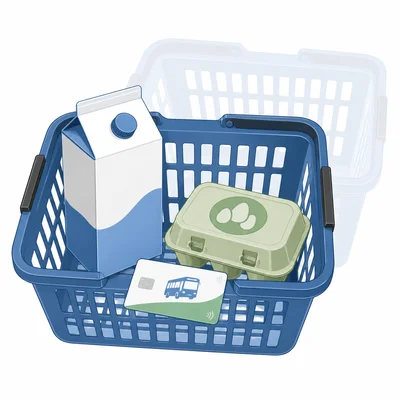
A simple market basket includes milk, eggs, and a bus pass. In 2020, the prices were $3 for milk, $2 for eggs, and $40 for a bus pass. In 2024, the prices were $4 for milk, $3 for eggs, and $50 for a bus pass. Find the total basket cost for each year and the percent increase from 2020 to 2024.
- 4
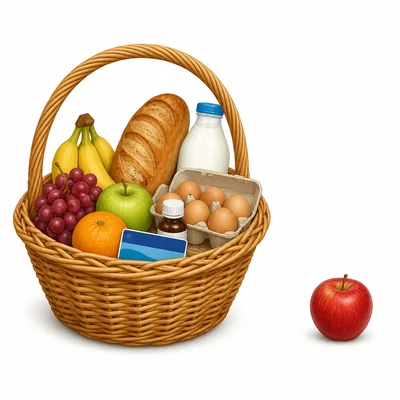
The Consumer Price Index, or CPI, tracks the cost of a group of common goods and services over time. Why do economists use a market basket instead of tracking only one item, such as apples?
- 5
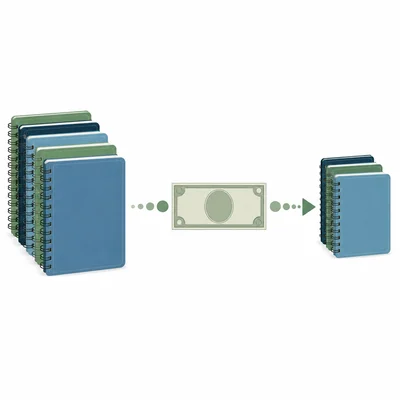
In 2021, $20 could buy 10 notebooks that cost $2 each. In 2024, the notebooks cost $2.50 each. How many notebooks can $20 buy in 2024, and what happened to the purchasing power of $20?
- 6
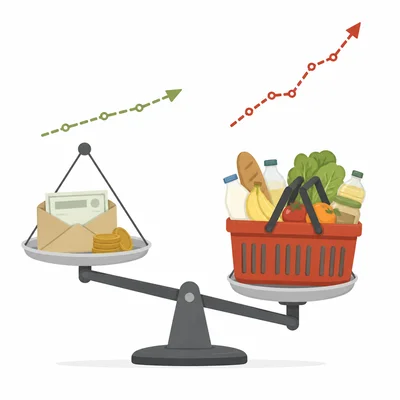
A worker receives a 4% raise, but inflation is 7% during the same year. Did the worker's purchasing power rise or fall? Explain.
- 7
A retired person receives a fixed monthly income of $1,200. If prices rise by 6% and the person's income does not change, how does inflation affect that person's budget?
- 8
A family's monthly costs changed from last year to this year: groceries rose from $500 to $575, gas rose from $160 to $200, and rent rose from $1,000 to $1,050. What was the total monthly increase in dollars?
- 9
Using the same family costs from the previous problem, what is the approximate percent increase in the family's total monthly costs?
- 10

Decide whether this is most likely demand-pull inflation or cost-push inflation: A popular new video game console is released, and many people want to buy it. Stores raise the price because demand is very high.
- 11
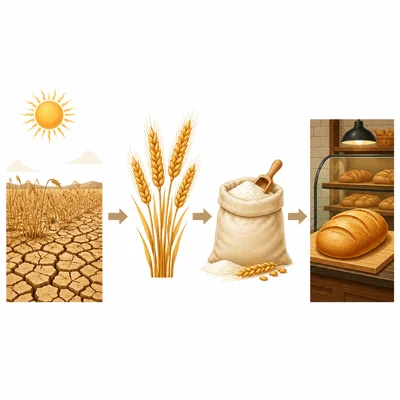
Decide whether this is most likely demand-pull inflation or cost-push inflation: A drought damages wheat crops, so flour becomes more expensive. Bakeries raise bread prices because their production costs increased.
- 12
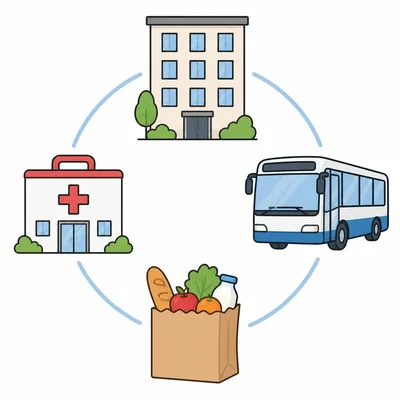
A city report shows that rent, transportation, food, and health care all became more expensive during the year. Explain why these categories are important when measuring the cost of living.
- 13
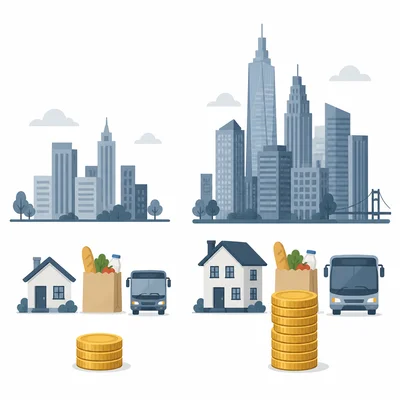
Two cities have different costs of living. In City A, a family spends $2,400 each month on basic needs. In City B, the same basic needs cost $3,000 each month. How much more per month does the family need in City B, and why might wages be higher there?
- 14
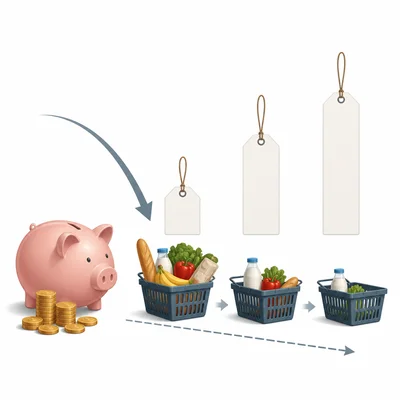
A savings account pays 3% interest in one year, but inflation is 5% during that year. Explain what happens to the real value of the money in the account.
- 15
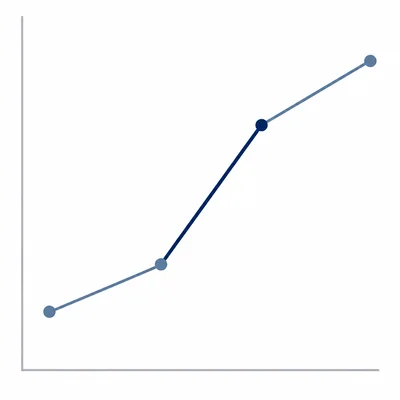
Study this situation: The price index was 100 in 2020, 108 in 2021, 117 in 2022, and 120 in 2023. Which year had the largest increase in the price index from the previous year, and what does that mean?