Practice learning respectful facts about Indigenous Peoples of North America, including cultures, homelands, languages, and communities today.
Read each problem carefully. Write your answers in complete sentences when you can.
Learning about many nations, cultures, and communities
Social Studies - Grade 2-3
- 1
What does the word Indigenous mean when we talk about people and places?
- 2
Indigenous Peoples of North America include many different nations and communities. Write one sentence that explains why it is not correct to say they are all the same.
- 3
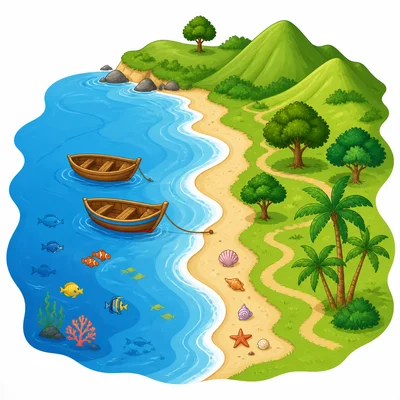
Look at a coastal region on a map. Why might some Indigenous communities near the ocean have used fish, shells, and boats in daily life?
- 4
True or false: All Indigenous Peoples in North America spoke the same language. Explain your answer.
- 5
What is an Indigenous nation?
- 6
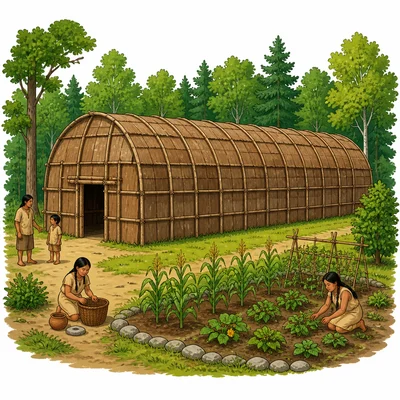
The Haudenosaunee lived in parts of the Eastern Woodlands. A longhouse was a home used by some Haudenosaunee families. What does the word longhouse tell you about the shape or use of this home?
- 7
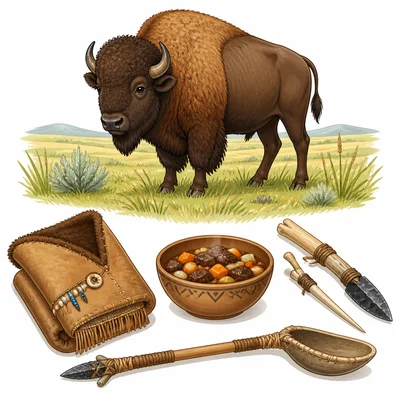
The bison was important to many Plains nations. Name two ways the bison could be used respectfully.
- 8
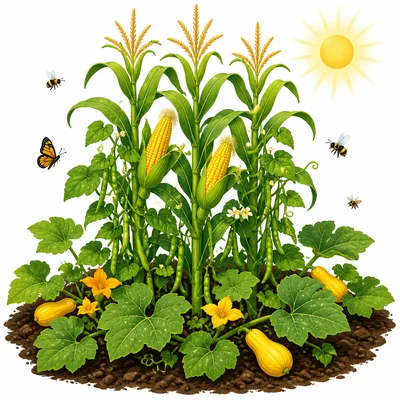
Some Indigenous farmers grew corn, beans, and squash together. These crops are often called the Three Sisters. Why was growing food important for many communities?
- 9
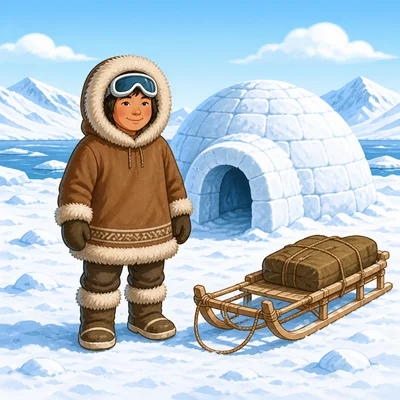
In the Arctic, Inuit communities learned many skills for living in a cold environment. Name one example of an adaptation that helped people live there.
- 10
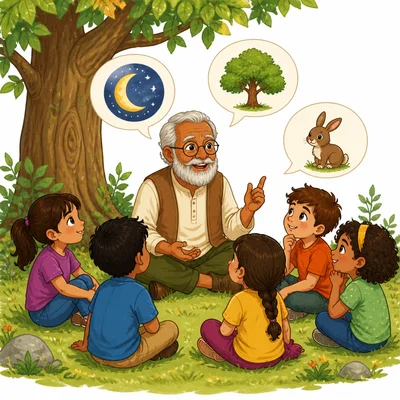
Many Indigenous cultures use oral traditions. What are oral traditions?
- 11
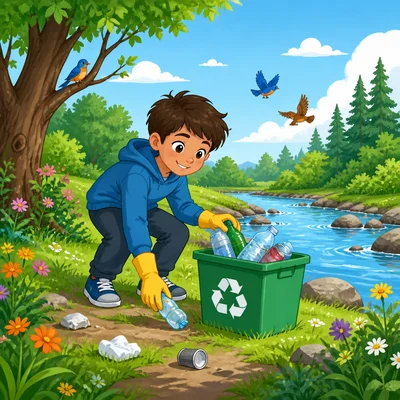
Many Indigenous communities teach respect for the land, water, plants, and animals. Write one way a student can show respect for nature.
- 12
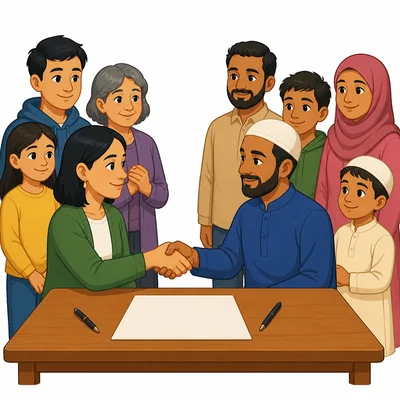
A treaty is an agreement between nations or governments. Why is it important for people to keep promises made in treaties?
- 13
Indigenous Peoples are part of the past and the present. Write one sentence that tells something true about Indigenous communities today.
- 14
Many place names in North America come from Indigenous languages. Why is it helpful to learn where place names come from?
- 15
Why is it respectful to use the specific name of an Indigenous nation, such as Ojibwe, Diné, Lakota, Inuit, or Maya, when you know it?