Learn about the causes and events of the Holocaust while reflecting on human rights, prejudice, resistance, and the responsibilities of individuals and societies.
Read each problem carefully. Use complete sentences and support your answers with details from history. This topic includes difficult events, so focus on respectful, accurate, and thoughtful responses.
Understanding historical causes, key events, and human choices
Social Studies - Grade 6-8
- 1
Define the Holocaust in one or two sentences. Include who carried it out and which groups were targeted.
- 2
Explain how antisemitism helped make the Holocaust possible.
- 3
After World War I, Germany faced political and economic problems. Describe two conditions that helped the Nazi Party gain support in the 1920s and 1930s.
- 4
What was Nazi propaganda, and why was it dangerous?
- 5
The Nuremberg Laws were passed in Germany in 1935. Explain what these laws did and why they were an important step in the persecution of Jewish people.
- 6
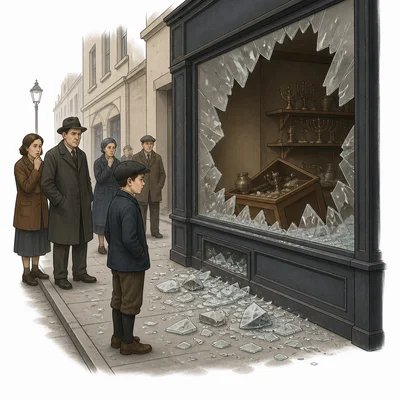
Kristallnacht took place on November 9 and 10, 1938. Describe what happened and explain why historians see it as a turning point.
- 7
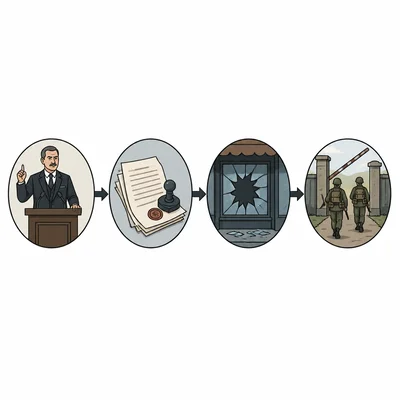
Put these events in chronological order: Germany invades Poland, Nuremberg Laws are passed, Kristallnacht occurs, Hitler becomes chancellor of Germany.
- 8
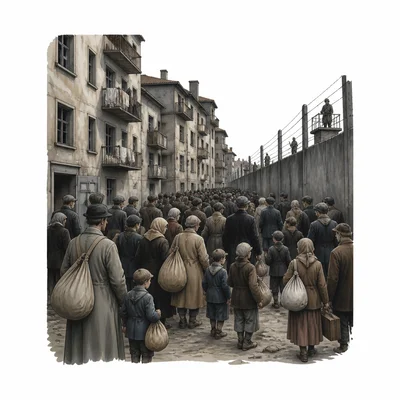
What were ghettos during the Holocaust? Explain how they were used by the Nazis.
- 9
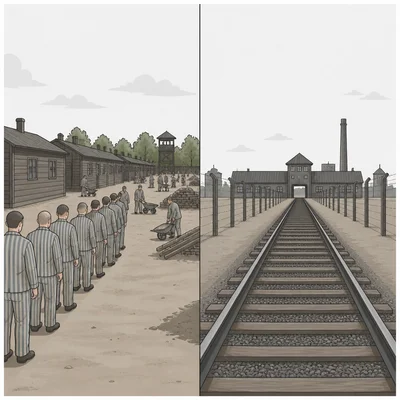
Explain the difference between concentration camps and extermination camps.
- 10
What does it mean to dehumanize a group of people? Give one example of how the Nazis dehumanized targeted groups.
- 11
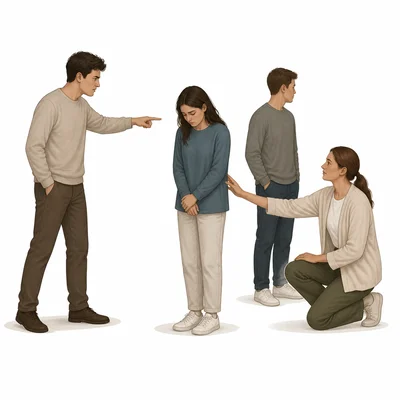
Not everyone responded to the Holocaust in the same way. Explain the difference between a perpetrator, a bystander, a victim, and a rescuer or upstander.
- 12
Describe one form of Jewish resistance during the Holocaust. Resistance could be armed or unarmed.
- 13

Why are personal testimonies, diaries, photographs, and documents important sources for learning about the Holocaust?
- 14
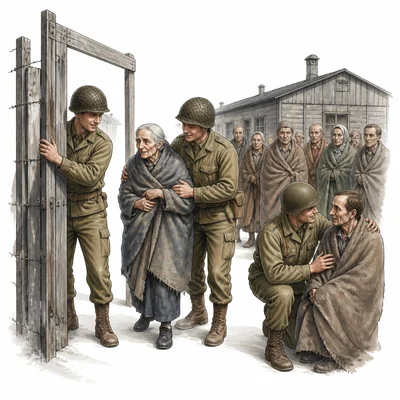
When Allied forces liberated camps near the end of World War II, what did liberation mean, and what challenges did survivors still face afterward?
- 15
Write a short reflection explaining two lessons people today can learn from the Holocaust about prejudice, human rights, and civic responsibility.