Why Do We Dream?
How sleeping brains sort signals and memories
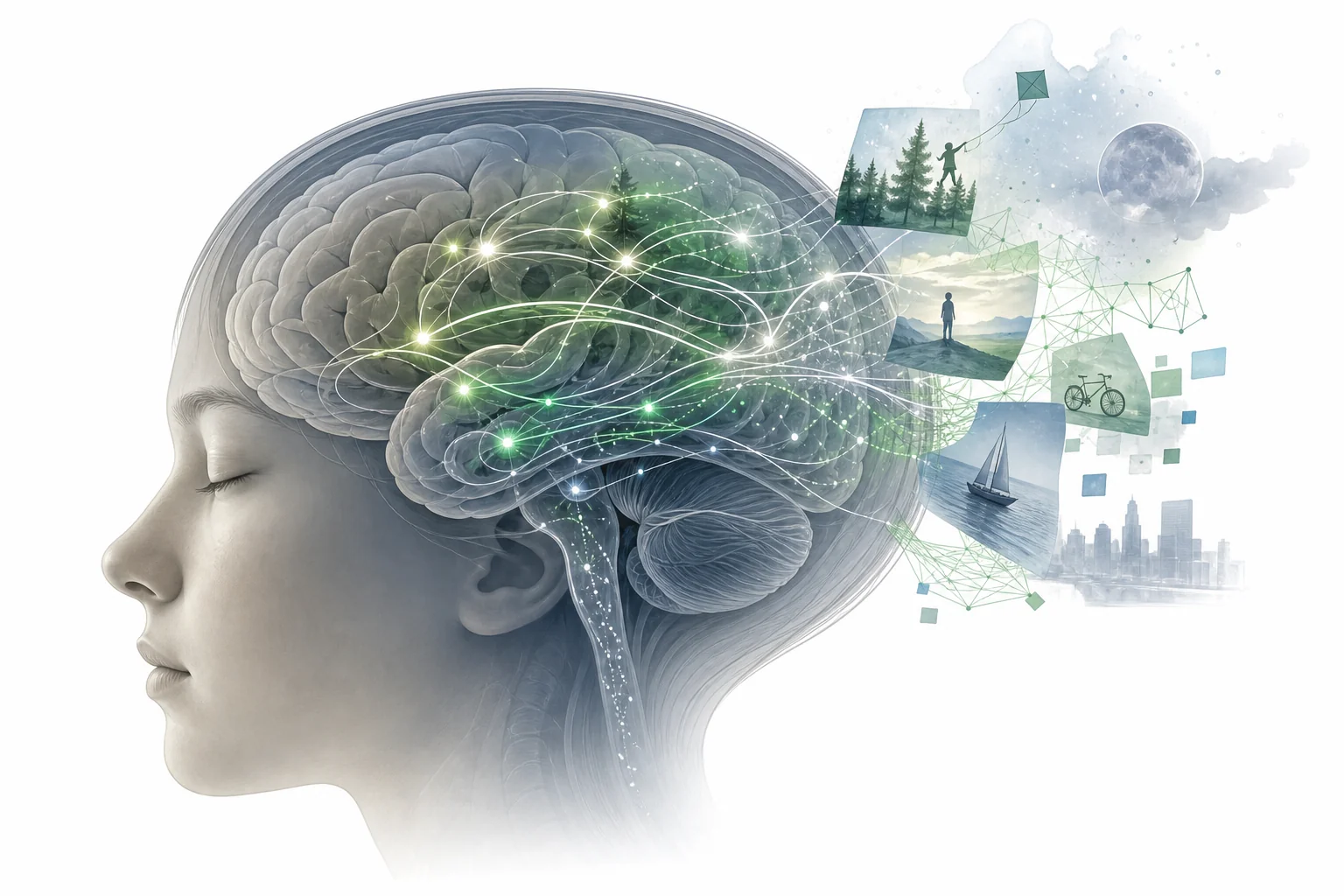
We dream because the sleeping brain stays active and keeps processing information. Dreams may help the brain sort memories, practice emotions, and make sense of signals from inside the body. Scientists do not think dreams have one single job.
Dreams can feel like stories, fragments, or strong emotions. They happen while the body is mostly still, but the brain is not shut down. During sleep, brain cells keep sending signals. Some signals replay parts of the day. Some come from emotion centers, memory systems, and body sensors. The result can be a scene that feels real while it is happening. Dreaming is closely linked with REM sleep, a stage when the eyes move quickly and the brain is very active. Dreams can also happen in non-REM sleep, but they are often less vivid. Biologists study dreams by measuring brain waves, eye movement, muscle tone, and memory after sleep. The main idea is simple. Sleep is active biology. Dreaming is one sign that the brain is still working to organize information, regulate emotion, and maintain the body.
Sleep is active
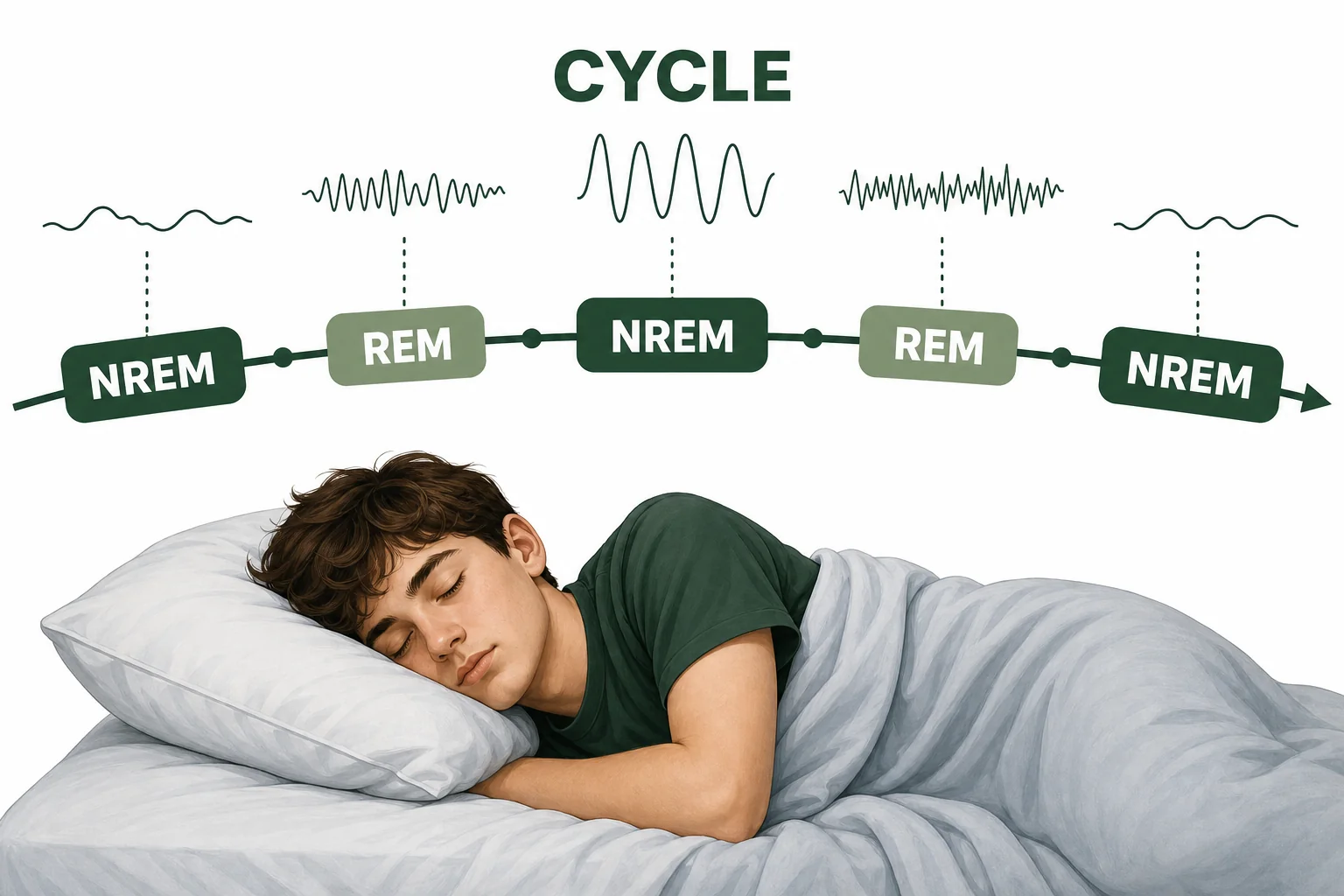
Dreaming happens inside a brain that is still active.
REM and vivid dreams
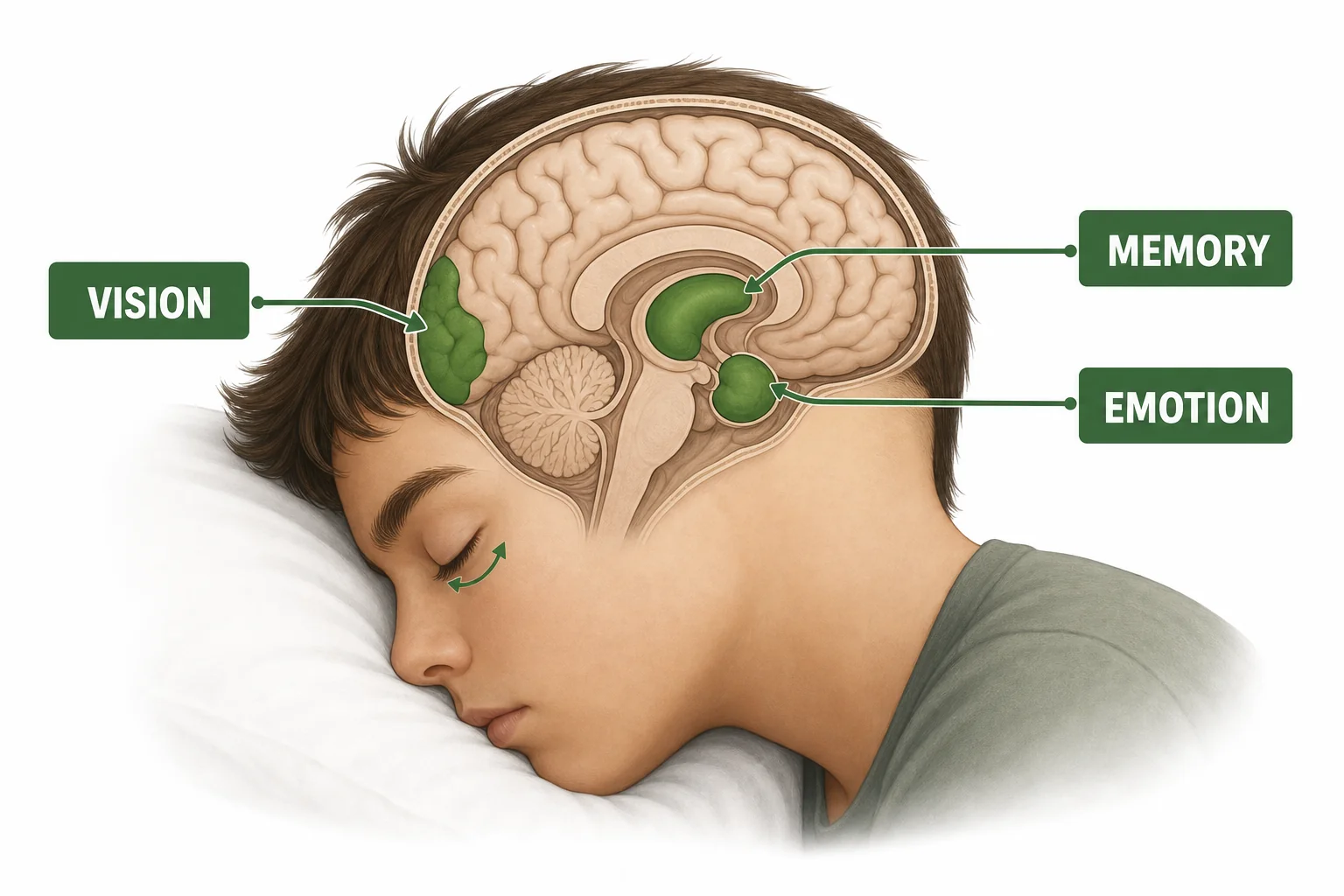
REM sleep often gives dreams their strong images and emotions.
Dreams and memory
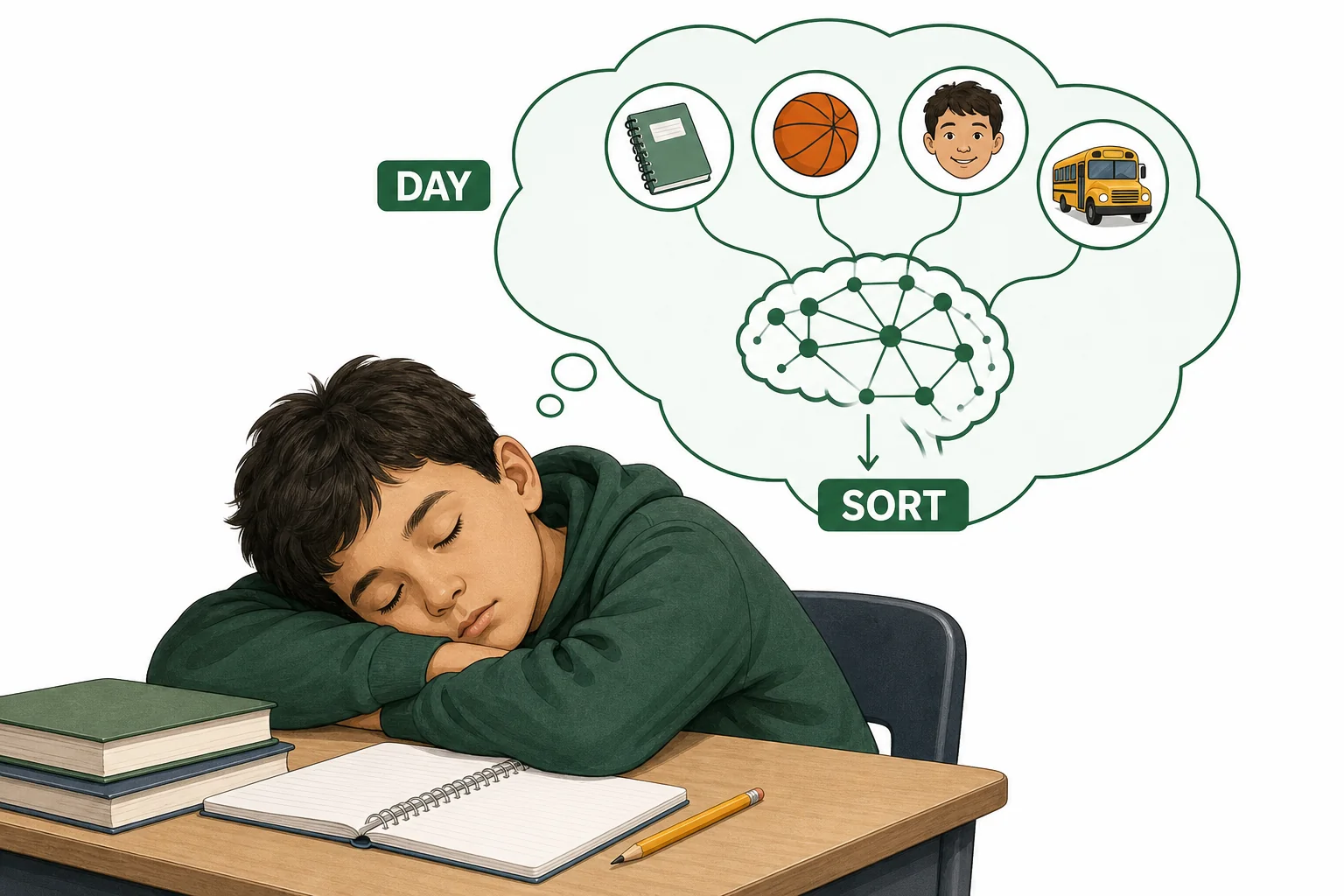
Dreams may show memory pieces being combined and updated.
Dreams and emotion
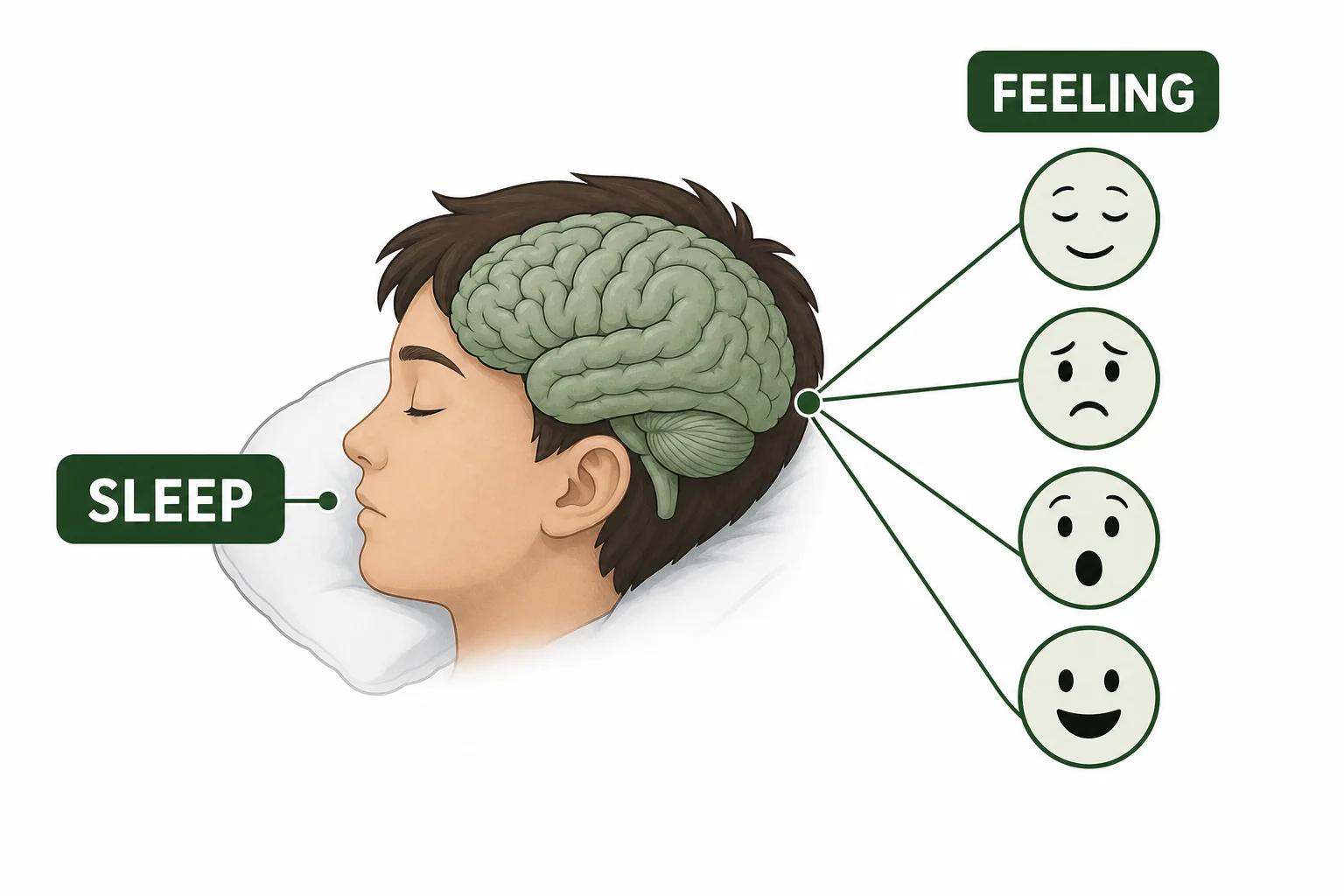
Dreaming is connected to mood, stress, and regulation.
No single answer
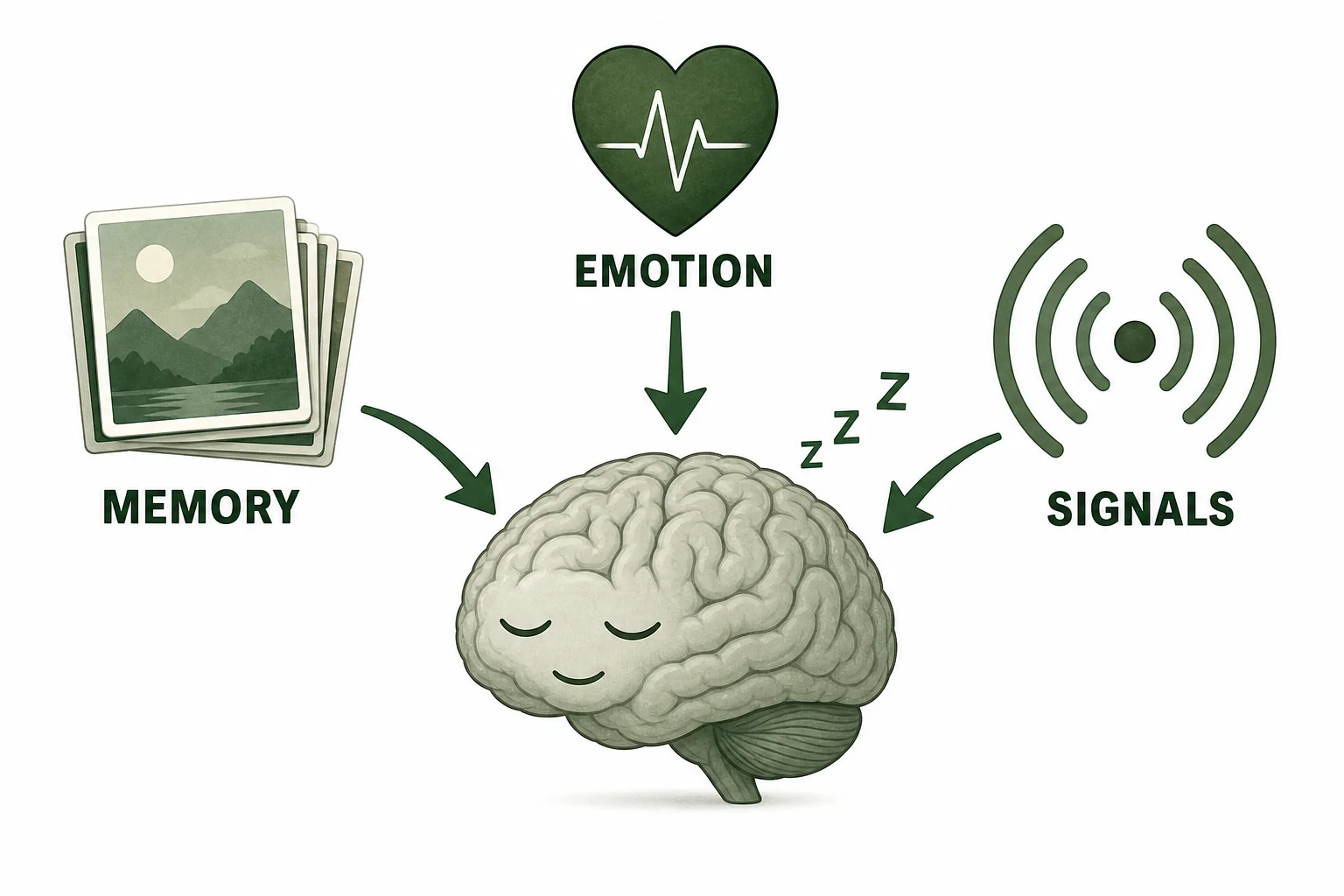
Dreams likely come from several brain processes working together.
Vocabulary
- REM sleep
- A sleep stage with rapid eye movements, active brain patterns, and reduced movement in many muscles.
- Non-REM sleep
- Sleep stages that include lighter sleep and deeper slow-wave sleep, often with slower brain activity than waking.
- Memory consolidation
- The process of stabilizing and strengthening some memories after they are first formed.
- Neuron
- A nerve cell that sends and receives signals in the nervous system.
- Brain wave
- A pattern of electrical activity in the brain that can be measured from the scalp.
In the Classroom
Sleep stage model
25 minutes | Grades 9-12
Students build a simple timeline of a night of sleep using repeated REM and non-REM cycles. They annotate how brain activity, movement, and dream reports can change across the night.
Memory after sleep discussion
30 minutes | Grades 9-12
Students read a short summary of a sleep and memory study, then identify the claim, evidence, and reasoning. The class connects the study to how neurons and body systems interact.
Dream theory comparison
35 minutes | Grades 9-12
Small groups compare three explanations for dreams, including memory processing, emotion regulation, and brain signal interpretation. Each group makes a one-page concept map that shows how the ideas can overlap.
Key Takeaways
- • The brain remains active during sleep.
- • REM sleep is strongly linked with vivid dreams, but dreams can also happen in non-REM sleep.
- • Dreams may help the brain process memories and emotions.
- • A dream can mix real experiences, body signals, and imagination.
- • Scientists study dreams by linking sleep stages, brain activity, and dream reports.