Human Body Systems Explorer
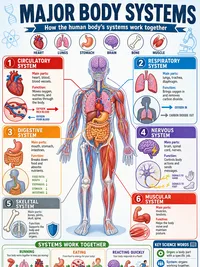
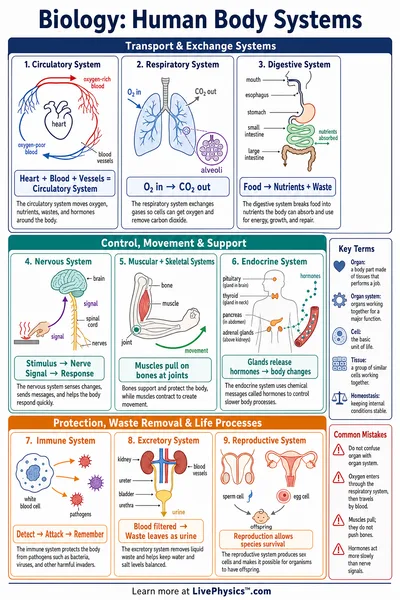
The human body runs 10 organ systems simultaneously, each with its own organs, functions, and interactions. Click any system on the body diagram to learn what it does and discover a surprising fact.
Body Systems Map
Click a hotspot to select a system
Click any hotspot on the body diagram
Select a system to learn about its organs, function, and an interesting fact.
All Systems
Reference Guide
Body System Interactions
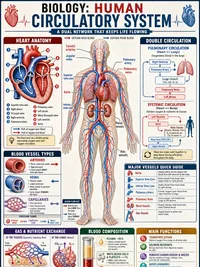
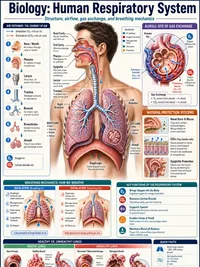
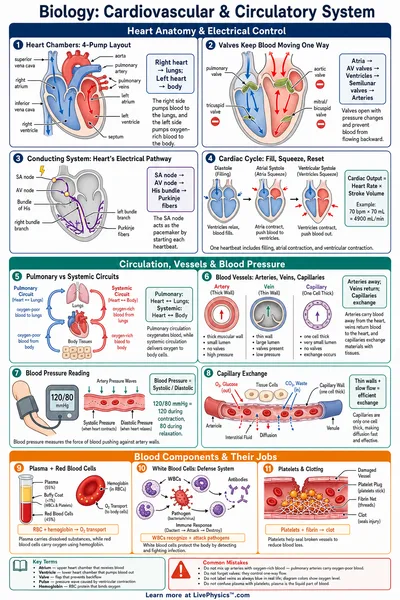
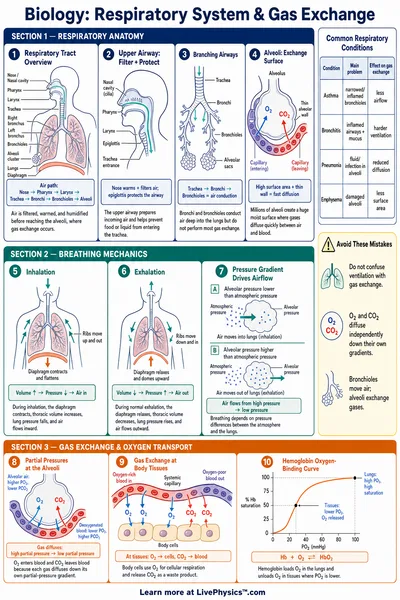
No body system operates in isolation. The circulatory system delivers oxygen from the respiratory system and nutrients from the digestive system to every cell in the body. Without blood flow, no other system can function.
The nervous system acts as the master controller, sending electrical signals to regulate breathing rate, heart rate, digestion speed, and hormone release. The endocrine system reinforces these signals with hormones that travel through the bloodstream.
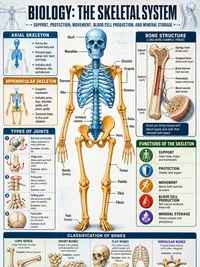
- Muscular + Skeletal. Muscles attach to bones via tendons to produce movement.
- Immune + Circulatory. White blood cells travel through blood to fight infection.
- Endocrine + Reproductive. Sex hormones drive development and fertility.
- Urinary + Circulatory. Kidneys filter blood to remove metabolic waste.
Homeostasis
Homeostasis is the process by which body systems maintain stable internal conditions despite changes in the external environment. It relies on negative feedback loops that detect deviation and trigger a corrective response.
Body temperature is regulated by the nervous and endocrine systems working with skin, muscles, and blood vessels. When temperature rises, sweat glands activate and blood vessels dilate to release heat. When it drops, shivering generates warmth and vessels constrict to retain it.
Body System Careers
Medical specialties are organized largely around body systems. Understanding each system is the foundation for careers in medicine, nursing, physiotherapy, and biomedical research.
- Cardiologist. Diagnoses and treats heart and circulatory diseases.
- Pulmonologist. Specializes in respiratory conditions such as asthma and COPD.
- Neurologist. Treats disorders of the nervous system including stroke and epilepsy.
- Gastroenterologist. Manages digestive system conditions.
- Endocrinologist. Treats hormone disorders such as diabetes and thyroid disease.
- Immunologist. Studies and treats immune disorders and allergies.
- Orthopedic surgeon. Repairs bones, joints, and connective tissue.
- Nephrologist. Specializes in kidney (urinary system) diseases.