Practice analyzing series and parallel circuits, including how current, voltage, and resistance behave in each type of circuit.
Read each problem carefully. Show your work and explain your reasoning when needed.
Comparing current, voltage, and resistance in circuit types
Physics - Grade 9-12
- 1
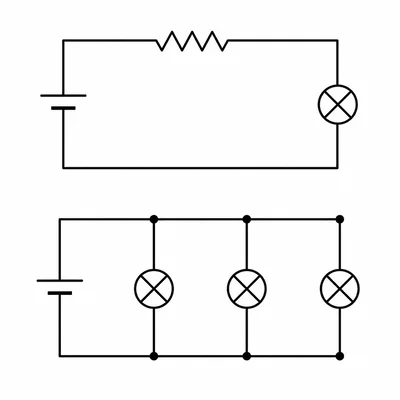
Define a series circuit and a parallel circuit in your own words.
- 2
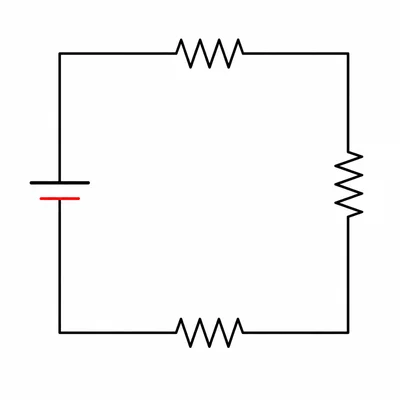
A circuit has a 12 V battery and three resistors connected in series: 2 ohms, 3 ohms, and 5 ohms. Find the total resistance.
- 3
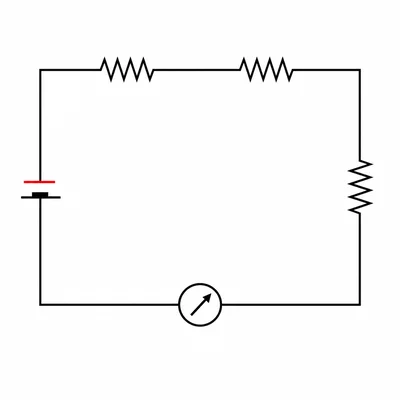
Using the circuit from the previous problem, calculate the total current in the circuit.
- 4
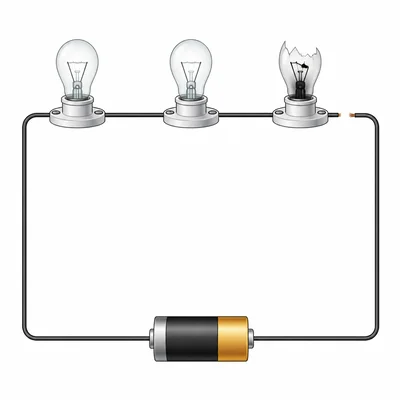
In a series circuit, one bulb burns out. Describe what happens to the rest of the bulbs and explain why.
- 5
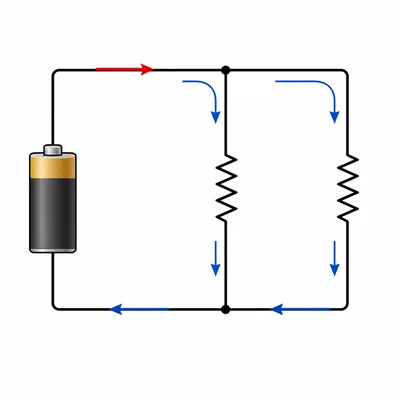
A parallel circuit contains two branches. One branch has a 6 ohm resistor and the other has a 3 ohm resistor. The source voltage is 12 V. Find the current in each branch.
- 6
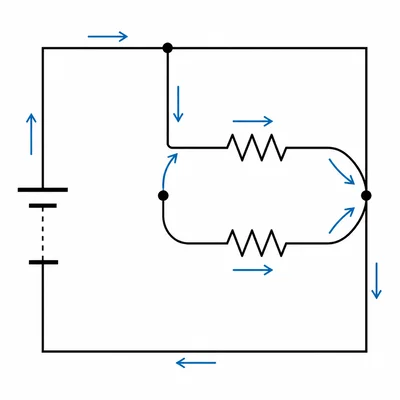
For the parallel circuit in the previous problem, calculate the total current supplied by the battery.
- 7
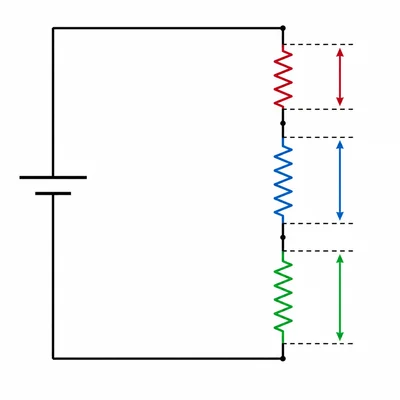
A student says that voltage is the same across each resistor in a series circuit. Explain whether this statement is correct.
- 8
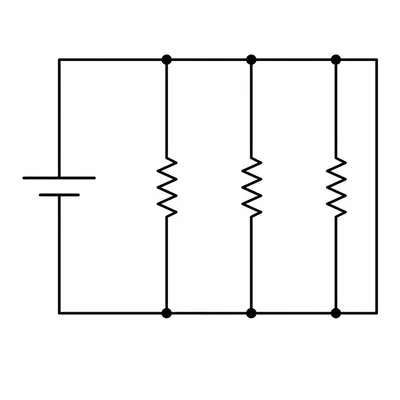
Three resistors of 4 ohms each are connected in parallel. Find the equivalent resistance.
- 9
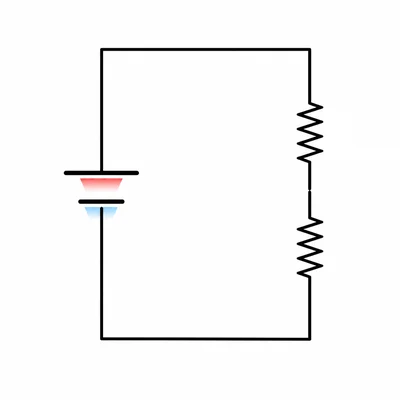
A 9 V battery is connected to two resistors in series, 1 ohm and 2 ohms. Find the current and the voltage drop across each resistor.
- 10
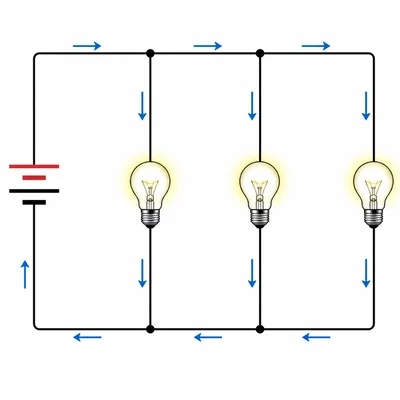
Explain why adding more branches to a parallel circuit usually decreases the total resistance.
- 11
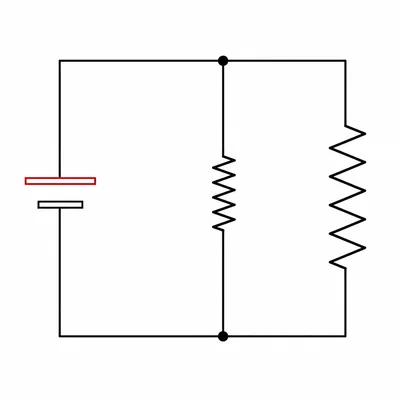
A 24 V source is connected to two resistors in parallel, 8 ohms and 12 ohms. Find the equivalent resistance.
- 12
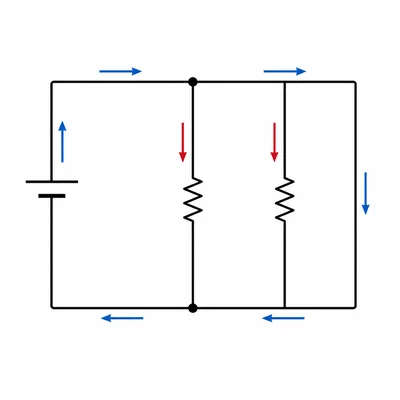
Using the circuit from the previous problem, calculate the total current from the source.
- 13
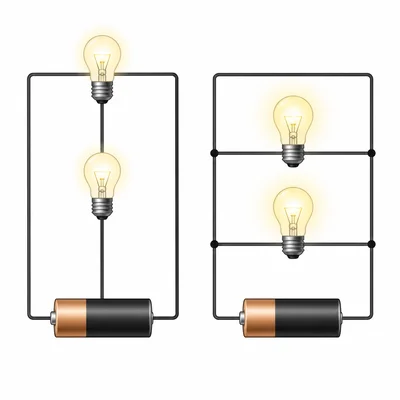
Compare the brightness of two identical bulbs connected in series with the brightness of the same two bulbs connected in parallel to the same battery.
- 14
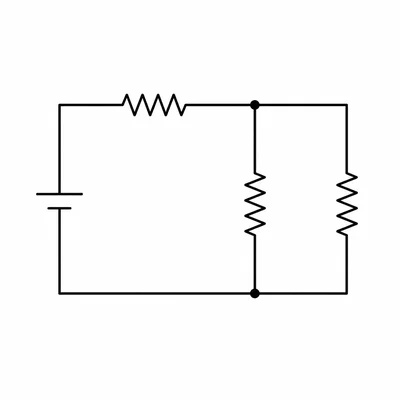
A circuit has one 2 ohm resistor in series with a parallel combination of 6 ohms and 3 ohms. Find the total resistance of the circuit.
- 15
Describe one real-world situation where a parallel circuit is preferred over a series circuit, and explain why.