Media Literacy & Source Reliability Lab
Pick a sample source, then rate it on author authority, evidence, currency, objectivity, and corroboration. The lab computes a weighted reliability score, gives a verdict, compares your rating to an expert reference, and flags warning signs. Every example source is fictional and neutral so you can practice the framework, not opinions.
Guided ExperimentScore a viral social post and a peer-reviewed study
Which source do you expect to score higher on reliability, the anonymous viral post or the peer-reviewed study, and why?
Write your hypothesis in the Lab Report panel, then click Next.
Pick a sample source
Choose a source to evaluate. Each one is a made up, neutral example.
Local newspaper
Local paper, New skate park opens downtown
A local newspaper article reports that a new skate park opened downtown. It names the reporter, quotes the city, and was published this week.
Controls
Rate the source on each criterion from 0 to 4. Higher means more reliable.
0 = Anonymous or unknown. 4 = Named, credentialed expert or reputable organization.
0 = Opinion with no evidence. 4 = Cited primary data and verifiable facts.
0 = Undated or clearly outdated. 4 = Recent and still relevant.
0 = Heavy spin or selling something. 4 = Balanced and informative.
0 = Uncorroborated or contradicted elsewhere. 4 = Confirmed by multiple independent sources.
Reliability score
Verdict
Use with caution
Per-criterion breakdown
Feedback and expert comparison
| Criterion | You | Expert | Difference |
|---|---|---|---|
| Author and authority | 2 | 3 | -1 |
| Evidence and support | 2 | 3 | -1 |
| Date and currency | 2 | 4 | -2 |
| Objectivity and purpose | 2 | 3 | -1 |
| Corroboration | 2 | 3 | -1 |
Expert notes
A named reporter, official quotes, a recent date, and a neutral tone all support reliability. Local event reporting like this is usually easy to confirm.
Red flags
No major red flags on the current ratings.
Media literacy tips
- Read laterally: open new tabs to see what other sources say about this one.
- Check who funded or published the source and why they want you to read it.
- Look for the original evidence, then trace claims back to where they started.
Data Table
(0 rows)| # | Source | Author | Evidence | Date | Objectivity | Corroboration | Score(/100) |
|---|
Reference Guide
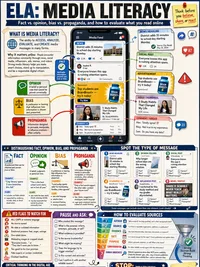
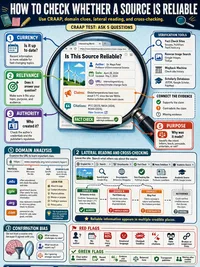
Five Criteria for Evaluating a Source
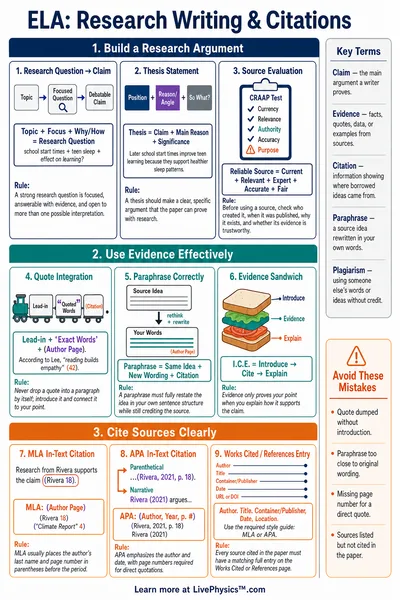
A reliable source usually checks several boxes at once. Rate each one from 0 to 4, where higher always means more trustworthy.
- Author and authority. Is there a named, qualified author or a reputable organization.
- Evidence and support. Are claims backed by data and verifiable facts.
- Date and currency. Is the source recent enough to still be accurate.
- Objectivity and purpose. Is it balanced, or is it selling or pushing something.
- Corroboration. Do other independent sources agree.
No single criterion decides reliability. A source can have a real author and still be weak if it cites no evidence.
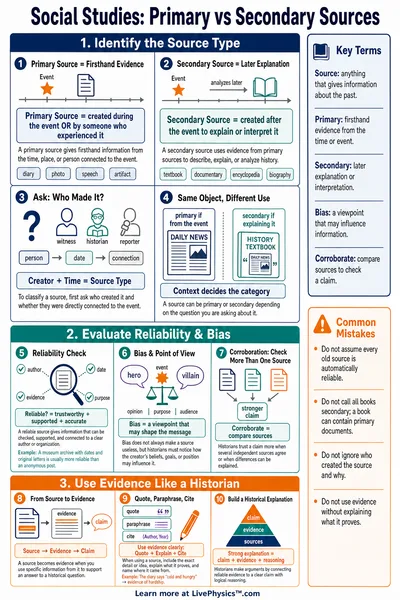
Bias, Purpose, and Who Is Behind a Source
Every source is made by someone with a reason. Knowing the purpose helps you weigh what you read.
- Selling. A source promoting its own product has a reason to spin.
- Persuading. Opinion pieces argue one side and may leave out the rest.
- Informing. Reference and reporting aim to be neutral and balanced.
- Funding. Ask who paid for or published the source and why.
A clear sales pitch or strong spin is a reason to lower the objectivity rating and check the claims somewhere else.
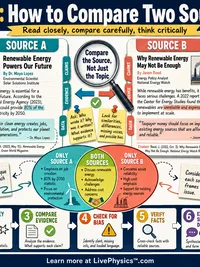
Corroboration and Lateral Reading
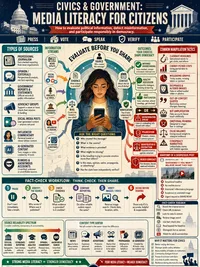
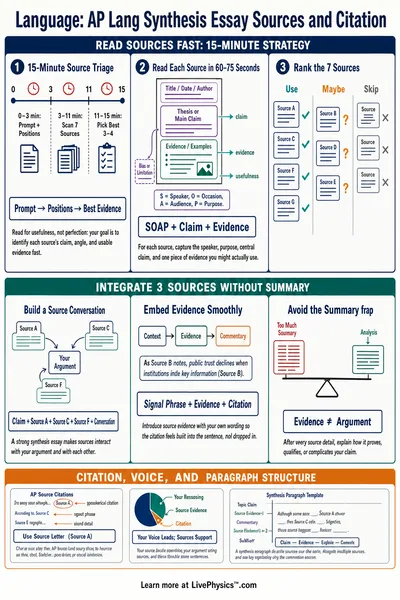
A claim is stronger when several independent sources confirm it. Lateral reading means leaving the page to check.
- Open new tabs. See what other sources say about this one.
- Independent. Two sources copying each other are not real corroboration.
- Trace it back. Follow a claim to where the evidence began.
- Compare. If only one source repeats a claim, verify before sharing.
Fact checkers read laterally rather than staying on a single page trying to judge it from the inside.
How to Spot Misinformation Red Flags
Certain warning signs raise the chance that a source is unreliable. Any one of them is a reason to slow down and verify.
- No author. Anonymous claims carry no accountability.
- No evidence. Bold statements with nothing to back them up.
- No date. Undated or clearly outdated content.
- Strong spin. A heavy bias or a product to sell.
- No corroboration. No other source confirms the claim.
A polished design does not make a source reliable. Score the criteria and let the evidence decide.