Practice evaluating sources by examining authorship, evidence, bias, purpose, and reliability in media and informational texts.
Read each problem carefully. Use evidence and clear reasoning in every response. Show how you decided whether a source is credible, biased, current, or well supported.
Analyzing credibility, bias, evidence, and purpose in information sources
Social Studies - Grade 9-12
- 1
A news article about voter turnout includes the author's name, the publication date, quotations from election officials, and links to state data. Identify two features that make this source more credible and explain why they matter.
- 2
A social media post claims that a new law has already gone into effect, but it does not name the law, link to any official document, or identify who wrote the post. Explain whether this is a reliable source and what you should do next.
- 3
An article about climate policy uses emotional language such as "disaster," "betrayal," and "heroes," but includes very little data. What does this suggest about the article's purpose, and how should a reader respond?
- 4
Compare a primary source and a secondary source. Then give one example of each related to a historical protest movement.
- 5
A website about public health statistics was last updated in 2016. Explain why currency matters when evaluating this source and whether the site might still be useful.
- 6
A student says, "This article must be true because it agrees with what I already think." Identify the problem in this reasoning and name the concept involved.
- 7
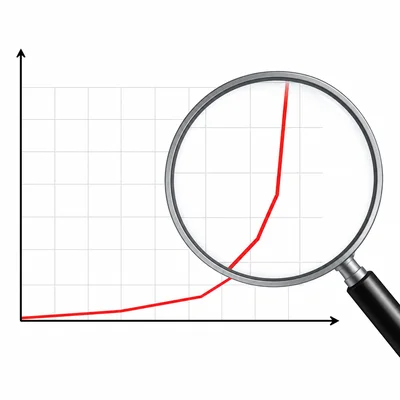
Read this situation: A video makes a claim about immigration trends and shows a dramatic chart, but the axes are unlabeled and the source of the data is missing. Explain two reasons to question the chart.
- 8
Why is it important to distinguish between news reporting, opinion writing, and advertising when evaluating media? Give one sign of each type.
- 9
A local newspaper article quotes three community members about a proposed school policy, but all three support the policy. Explain what concern this raises and how the article could be improved.
- 10
What is the difference between a claim and evidence? Then explain whether the sentence "Experts say this program works" is strong evidence by itself.
- 11
A photograph from a protest is shared online with a caption that says it was taken this week, but a reverse image search shows it first appeared five years ago in another country. What does this tell you about evaluating visual media?
- 12
List three questions you should ask when deciding whether to trust a source about a current event. For each question, explain why it matters.